What Are the Top 4 Way Valve Types in 2026?
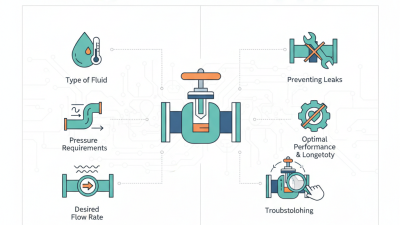
A 4 way valve directs flow between four ports, but that simple description hides important design differences. In hydraulic and pneumatic systems, the wrong choice can mean slower cylinder movement, pressure loss, or difficult maintenance. The best option depends on the fluid, operating pressure, switching frequency, and the space available for installation. Small details matter.
This guide compares four common design approaches: spool, poppet, rotary, and solenoid-operated valves. These labels describe different features, so they are not always mutually exclusive. A solenoid, for example, may actuate a spool or a poppet. The categories are not perfectly tidy; selection should follow the valve’s construction and application, not its name alone.
Market context also deserves care. Grand View Research estimated the global industrial valves market at USD 79.4 billion in 2023, with projected growth from 2024 to 2030. That figure covers many valve types and industries, not four-way valves specifically. Still, it reflects the broad importance of reliable flow control in manufacturing, energy, and water systems. For practical comparisons, engineers should consult manufacturer flow curves, pressure ratings, leakage data, and maintenance guidance. Those details are more useful than a market headline. Not always obvious. This overview offers a grounded starting point for identifying which four-way valve type fits a real system—and where the trade-offs remain.
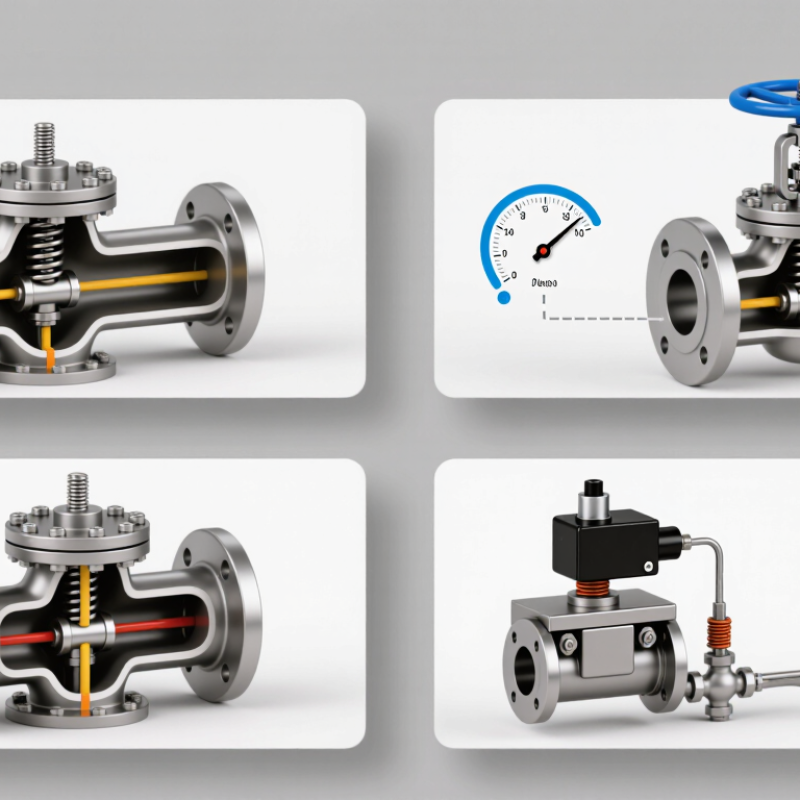
Core Design Principles of Four-Way Valves
A four-way valve controls the direction of flow between a pressure supply, a return line, and two actuator ports. In a sliding-spool design, a machined spool shifts inside a sleeve to connect different passages. Rotary designs turn a plug to redirect flow, while poppet designs open and close individual seats. Pilot-operated versions use a smaller control signal to move a larger main element. These approaches differ in response, sealing, and tolerance for contamination.
Small clearances matter. A spool needs enough space to move without binding, but excessive clearance can increase internal leakage. Poppet seats can seal tightly, though debris may prevent full closure. Rotary valves offer direct passage changes, yet seal wear can affect performance over time. Pilot assistance helps with larger flow demands, but adds control components and possible failure points. The right design depends on pressure, flow rate, actuator load, fluid cleanliness, and switching frequency. Heat changes the equation. Materials expand, seals age, and viscosity may shift; real operating conditions are not always as tidy as a design sheet suggests. Regular inspection of leakage, response time, and connection integrity helps reveal problems before motion becomes unreliable.
Spool-Type Four-Way Valves: Flow Paths and Common Uses
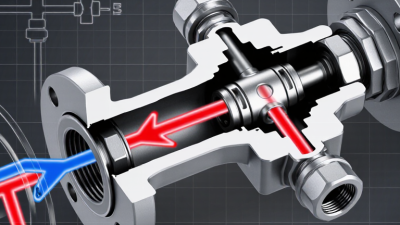
A spool-type four-way valve routes fluid between a pressure supply, a return line, and two actuator ports. Inside the body, a sliding spool has lands and grooves that open or block specific passages. In one position, pressure flows to port A while port B connects to the return. Shift the spool, and those paths reverse. That reverses motion.
Port labels vary by system, so check the valve diagram before installation. A four-way, three-position valve adds a center position; its behavior depends on the spool design. It may block ports, connect the actuator lines to tank, or unload the pump while holding the actuator. Small differences matter.
These valves commonly control double-acting hydraulic cylinders and reversible motors. In pneumatic systems, they can switch air to either side of a double-acting cylinder. Match the valve to the fluid, pressure, flow rate, and actuator load. A diagram can look simple. Real plumbing is less tidy. Hose length, leakage, and pressure drop can change response, and a blocked center does not automatically mean a load is safely held. Check the machine’s requirements and observe its behavior under controlled conditions.
Rotary Four-Way Valves: Porting Design and Applications
What Are the Top 4 Way Valve Types in 2026?
Rotary Four-Way Valves: Porting Design and Applications
A rotary four-way valve changes flow by turning a plug or rotor inside its body. Its four ports typically connect to pressure, return, and two actuator lines. In one position, pressure feeds port A while port B returns fluid. Rotate the valve, and those paths reverse. The actuator moves the other way. Simple in principle, but port geometry matters: narrow passages can increase pressure loss, while poor sealing may allow unwanted leakage.
Rotary designs suit systems that need a compact, repeatable change of direction. Common uses include pneumatic cylinders, hydraulic actuators, and reversible motors, provided the valve’s materials and ratings match the service. Before selection, check the flow diagram, pressure range, operating medium, and required flow rate. Also consider handle access and the space needed to connect fittings. A valve can fit the drawing and still be awkward to maintain. That detail is easy to miss.
Tips: Trace each port in both positions before installation. Confirm the body markings against the system diagram, then test for leaks at a safe operating pressure. Small details matter.
Poppet-Type Four-Way Valves: Sealing and Switching
A poppet-type four-way valve routes supply pressure and exhaust between two actuator ports. Its poppets move away from shaped seats to open flow paths, then press back onto the seats to close them. This seating action can limit leakage when the valve is in a stable position. That matters. In a pneumatic cylinder, for example, it helps maintain position between switching commands, though leakage performance depends on the design and operating conditions.
Switching occurs when a spool, pilot signal, or other actuator shifts the poppet assembly. One cylinder chamber receives pressure while the other vents; reversing the valve swaps those connections. A crisp transition can support responsive motion. However, fast switching may create pressure spikes or audible exhaust, especially when the actuator and tubing are poorly matched. Check the valve’s flow rating and pressure range against the actual system, not just the port size.
Seat condition is central to reliable sealing. Dust, oil residue, or a damaged seat can prevent full contact and cause drift or wasted air. Clean, filtered supply air helps, but maintenance intervals still need to reflect real use. Poppet valves are not automatically the best choice for every circuit; their switching feel and flow behavior can differ from spool designs. Even a quiet valve deserves testing under load. A bench test alone may miss it.
Pilot-Operated Four-Way Valves: Control Methods and Use Cases
What Are the Top 4 Way Valve Types in 2026?
Pilot-Operated Four-Way Valves: Control Methods and Use Cases
Pilot-operated four-way valves use a small control signal to shift a larger main spool. This reduces the force required from the controller. Common methods include electrical solenoid pilots, remote pneumatic pilots, and manual overrides. Depending on the design, the valve may spring-return or remain in its last position. Check the specified pilot-pressure range; insufficient pressure can cause slow or incomplete switching. Small detail. Big consequences.
These valves suit pneumatic cylinders, clamping fixtures, and automated handling equipment, especially where the main airflow exceeds a direct-acting valve’s capacity. For air systems, leaks matter too. The U.S. Department of Energy’s Improving Compressed Air System Performance guide notes that poorly maintained systems may lose 20–30% of compressor output through leaks. That figure applies to compressed-air systems, not to valves alone. Still, pilot lines and fittings deserve inspection during commissioning. In practice, a valve can be correctly sized and still behave poorly when its pilot supply fluctuates.
Tips: Confirm the required spool position, pilot pressure, flow rate, and fail state before selection. Test switching under real load, not only on a bench. Record response time. One caveat: catalogs rarely capture installation-specific pressure drops, so field checks remain valuable.
What Are the Top 4 Way Valve Types in 2026?
Pilot-operated four-way valve configurations: flow paths by spool position
The chart compares the number of open internal connections in common four-way spool configurations. A 4/2 valve has two switching positions; 4/3 valves add a center position, whose function may be closed, tandem, or float. Pilot actuation can be pneumatic, hydraulic, or solenoid-controlled. These valves are used to direct flow and reverse motion in pneumatic or hydraulic actuators. Connection counts describe flow paths, not flow capacity.