Best Flow Valve Solutions for Global Sourcing Needs?
In today's global market, selecting the right flow valve solutions is crucial for various industries. Flow valves regulate liquid and gas movement, ensuring efficiency and safety in operations. With the increasing demand for reliable flow valves, sourcing from international manufacturers has become a strategic necessity.
A wide range of flow valve options exists, each with its unique specifications and applications. The choice depends on system requirements, operating conditions, and material compatibility. However, not every supplier meets quality standards consistently. This raises concerns about reliability and performance, especially for critical applications. Sourcing flow valves globally can be a double-edged sword; the potential cost savings may lead to compromising quality.
As companies seek the best flow valve solutions, they must prioritize experience and expertise when choosing suppliers. Evaluating the reputation of manufacturers is vital. Reliable flow valves contribute to system integrity, while poor choices can disrupt operations. Navigating this complex landscape requires careful consideration and reflection on sourcing strategies. Balancing cost, quality, and performance is essential for success.
Overview of Flow Valves and Their Importance in Industrial Applications
Flow valves play a pivotal role in various industrial applications, acting as regulators for fluid control in pipelines. These products ensure optimal performance and safety in processes involving liquids and gases. According to a recent report by the Global Flow Valve Market Analysis, the demand for flow valves is expected to reach USD 40 billion by 2025. This clearly indicates their rising significance in industries such as oil and gas, water treatment, and manufacturing.
The importance of flow valves cannot be overstated. They maintain pressure, control temperature, and ensure fluid consistency. A malfunctioning valve can lead to production downtime or safety hazards. In a recent industry survey, 30% of managers cited valve failures as a critical issue affecting productivity. This reflects the need for regular maintenance and careful selection of valve types suited for specific applications. Companies often struggle with balancing quality and cost in their sourcing strategies.
Furthermore, the nuances of valve selection are often overlooked. Not all valves perform consistently across different environments. Valves made from inferior materials may fail prematurely. Identifying the right valve solution requires expertise and should be a priority for companies looking to optimize their operations. The gap between sourcing and performance indicates an area for improvement.
Types of Flow Valves Used in Global Sourcing: A Comprehensive Guide
Flow valves play a crucial role in many industries, serving as control mechanisms for fluids. These components regulate the flow and pressure within systems. Different types of flow valves cater to various sourcing needs globally. Each type comes with unique features, suited for specific applications.
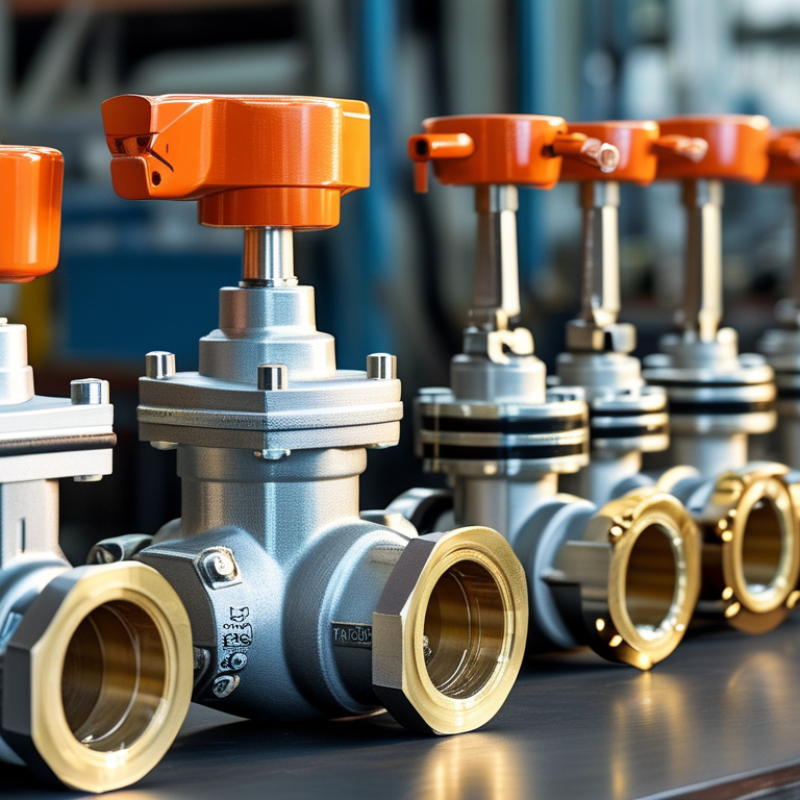
Among the most common types are globe valves, ball valves, and gate valves. Globe valves are excellent for flow regulation. They allow precise control, making them suitable for demanding applications. Ball valves, on the other hand, offer quick shut-off capabilities. They are ideal in high-pressure conditions. Gate valves excel when the need is to minimize pressure loss. However, they can be slower to respond when adjustments are needed.
It's essential to assess your requirements before making a choice. Consider the fluid type, temperature, and pressure. Often, different valves may fit the same application, but their performance can vary significantly. This importance of selection brings forth challenges in sourcing the right flow valve. Missteps can lead to inefficiencies. Take time to analyze each option carefully and ensure compatibility with your systems.
Key Considerations for Selecting Flow Valve Solutions for Businesses
When selecting flow valve solutions for businesses, several key considerations come into play. The first is understanding the specific application. Each type of fluid, be it gas or liquid, has unique properties that affect flow dynamics. Different environments also pose distinct challenges. Temperature, pressure, and chemical compatibility must align with the selected valve type.
Another critical aspect is the valve's material. Choices typically include metals, plastics, and elastomers. Each material has strengths and weaknesses. For example, corrosive fluids require robust materials to ensure longevity. Yet, sometimes, the most resilient materials are more expensive. This dilemma often leads to debates about cost versus quality.
Equally important is the valve's operational mechanism. Options range from manual to automated solutions. Automated valves can boost efficiency but may present complexity in maintenance. Companies should also consider their workforce’s skill level for handling these systems. Balancing these factors can lead to better decision-making but requires a nuanced approach that reflects the unique needs of the business. Each choice should align with operational goals and budget constraints.
Best Flow Valve Solutions for Global Sourcing Needs
This chart represents the top considerations for selecting flow valve solutions in a global sourcing context, based on various industries' requirements. The key dimensions include Quality, Cost, Delivery Time, and Technical Support. These factors significantly influence the decision-making process for businesses seeking optimal flow valve solutions.
Supplier Evaluation Criteria for Sourcing Flow Valves Worldwide
When sourcing flow valves globally, it's essential to establish clear supplier evaluation criteria. A reliable supplier should demonstrate significant industry experience. This experience helps ensure they understand specific requirements and challenges in your applications. Manufacturers should also provide documentation of their quality systems. Certification to international standards can give you confidence in their processes.
Cost and lead times are crucial factors. Understanding the pricing structure and potential hidden costs can help avoid surprises down the line. It's wise to request quotes from multiple suppliers. This practice allows for a thorough comparison. However, evaluate quality alongside price. The cheapest option might not always be the best.
Communication plays a vital role in supplier relationships. You're looking for suppliers who respond quickly and clearly. Poor communication can lead to misunderstandings and delays. Consider language barriers and time zones when selecting a partner. Finally, assess their capability for innovation. A supplier that adapts to new technologies can add value to your projects.
Best Flow Valve Solutions for Global Sourcing Needs
| Criteria |
Description |
Importance Level |
Evaluation Score (1-10) |
| Quality Standards |
Compliance with international quality standards such as ISO 9001. |
High |
8 |
| Manufacturing Capabilities |
Capacity to produce various types of flow valves efficiently. |
Medium |
7 |
| Delivery Time |
Lead time for standard and custom orders. |
High |
6 |
| Cost Competitiveness |
Pricing relative to market and competitors. |
Medium |
9 |
| Customer Support |
Availability and responsiveness of technical support. |
High |
8 |
| Innovation |
Investment in R&D and new technologies in valve solutions. |
Low |
7 |
Future Trends in Flow Valve Technology and Global Sourcing Strategies
As industries evolve, so does flow valve technology. Innovations are constantly shaping how we manage fluid power. Advanced materials are emerging, enhancing durability and performance. These changes drive efficiency in various applications. However, not all advancements are universally beneficial. Some technologies may increase complexity, leading to potential reliability issues.
Global sourcing strategies face unique challenges as markets change. Suppliers must adapt to fluctuating demands and evolving regulatory standards. The need for sustainable practices is becoming essential. Companies are exploring regional sourcing to reduce carbon footprints. Yet, balancing cost and quality can be difficult.
Moreover, the rise of digital solutions is transforming sourcing. Real-time data enhances decision-making and efficiency. However, reliance on technology introduces vulnerabilities. Cybersecurity risks need careful consideration. The future of flow valve technology will not be without its challenges and reflections. Adapting to these trends requires both insight and foresight.