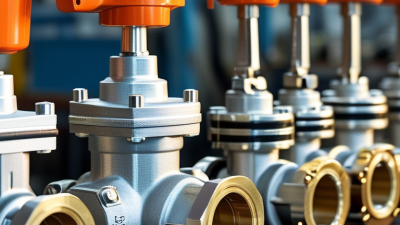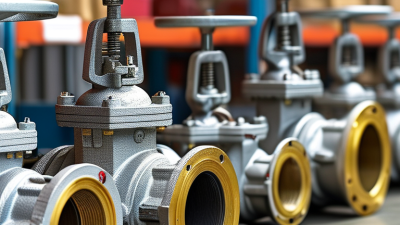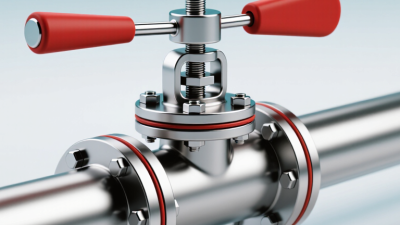
Choosing a reliable valve home supplier requires more than comparing prices or product photographs. China has a broad manufacturing base, serving kitchens, bathrooms, heating systems, gardens, and residential water networks. The strongest manufacturers usually combine stable production, material traceability, careful machining, and practical quality control. Their product ranges may include brass ball valves, angle valves, check valves, faucet cartridges, and pressure-control components.
A dependable manufacturer should explain where its raw materials come from and how each valve is tested. Look for pressure testing, leakage inspection, thread accuracy, corrosion resistance, and consistent handle movement. Certifications can support credibility, but buyers should verify their scope, issuing body, and validity. Factory audits, sample orders, and clear technical drawings provide stronger evidence than attractive catalog language. Small details matter. A poorly finished thread can cause drips beneath a sink.
Real purchasing experience also shows that no manufacturer is perfect. Some suppliers offer excellent casting quality but slower communication. Others respond quickly but provide limited testing records. This difference deserves attention. Home users need valves that install smoothly, remain sealed, and tolerate repeated daily operation. Professional manufacturers should discuss working pressure, temperature limits, connection standards, packaging, warranty terms, and replacement support without hiding practical limitations.
This guide examines China’s top valve manufacturers for home use through product quality, manufacturing capability, certifications, customization, and after-sales reliability. It also considers how suppliers handle samples, inspections, and common installation concerns. The goal is not to promote the largest factory, but to identify dependable partners for safe, durable residential plumbing projects. A thoughtful comparison can prevent leaks, delays, and costly replacements later.
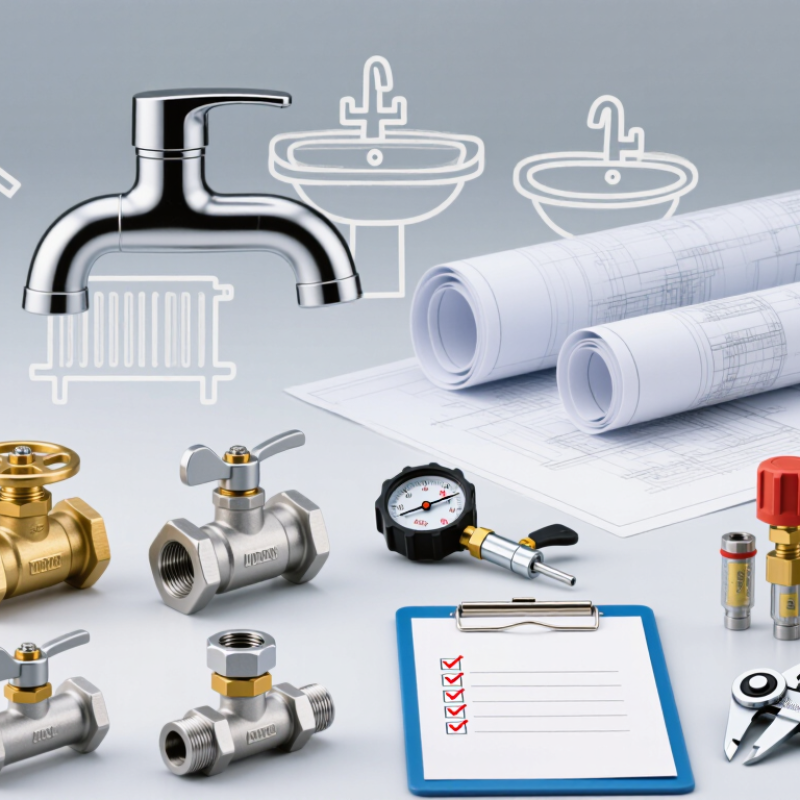
Home-use valves are small components with major effects on safety, comfort, and water bills.
Ball valves provide quick shutoff for kitchen sinks, washing machines, and outdoor taps. Their quarter-turn handle is easy to recognize during an emergency. Gate valves suit full-flow isolation, but they are less practical for frequent adjustment. Globe valves offer finer flow control in heating circuits and household distribution lines.
Angle-stop valves fit beneath sinks and toilets, where space is limited. Check valves prevent reverse flow in pumps, water heaters, and filtration systems. Pressure-reducing valves protect pipes when incoming pressure becomes excessive.
The U.S. Environmental Protection Agency reports that household leaks can waste more than one trillion gallons of water annually nationwide.
A worn washer may seem minor, but the meter still records every drop.
Thermostatic mixing valves help control hot-water temperature near showers and baths. They can reduce scalding risks when installed and adjusted correctly.
The WHO and UNICEF Joint Monitoring Programme reported that 2.2 billion people lacked safely managed drinking water in 2022, highlighting the importance of reliable household systems.
Valve selection should match pressure, temperature, pipe material, and maintenance access. Material matters. Brass, stainless steel, and engineered polymers perform differently in hard water. Yet product labels are not always clear. Buyers should request pressure-test records, applicable certification, and service instructions from manufacturers. A low-cost valve can become expensive when replacement requires opening a wall.
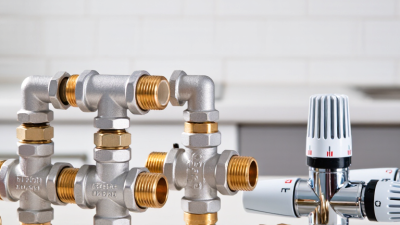
For home-use valves, evaluating a Chinese manufacturer requires more than comparing prices. Start with documented compliance. ISO 9001 certification can indicate controlled production, but it does not prove valve performance. Ask for test records based on ISO 5208, which measures leakage under defined pressure conditions. For drinking-water applications, materials should also meet NSF/ANSI 61 or an equivalent national standard.
Small details matter. Check whether each valve carries a batch number, pressure rating, material grade, and test date. Request stainless-steel or brass composition reports when water contact is involved. A reliable factory should explain its sampling frequency and provide calibration records for pressure gauges. The 2023 WHO/UNICEF Joint Monitoring Programme reported that 2.2 billion people lacked safely managed drinking water in 2022. That figure makes material safety more than a technical formality.
Production capacity also needs evidence. Review factory audit reports, corrective-action records, and random inspection results. Confirm that the final assembly matches the approved drawing, especially thread size, seal material, and handle torque. No factory is perfect. I would question suppliers that show only polished certificates and no failure data. The World Bank has estimated that water losses can reach roughly 30–40% in many systems, so a weak seal may create a real household cost. Choose documented consistency over impressive photographs.
Leading Chinese manufacturers of residential valves serve kitchens, bathrooms, heating systems, and small water networks. Their product ranges often include ball valves, angle valves, bibcocks, check valves, and pressure-reducing valves.
Many factories combine casting, machining, assembly, and leak testing in one facility. This can shorten production time and improve process control.
Material selection deserves careful attention.
Brass valves should have stable composition, clean threads, and smooth internal passages. Stainless steel options suit damp areas and demanding household installations.
Reliable manufacturers test pressure, sealing, torque, and cycle performance before shipment. Some also use automated inspection equipment to reduce dimensional errors. Small details matter.
Not every factory performs equally well. A polished catalog proves little.
Buyers should request material reports, inspection records, sample approvals, and clear quality procedures. I have seen apparently similar valves differ in handle strength and thread accuracy. That difference becomes obvious during installation.
Ask whether the factory follows recognized standards and can provide traceable batch records. Communication matters, too. A technically capable supplier may still misunderstand drawings or packaging requirements.
Factory audits, independent inspections, and trial orders offer practical protection. The process is not perfect. Mistakes can still happen. Good manufacturers acknowledge them, investigate the cause, and improve the next production batch.
China’s top valve manufacturers for home use focus on material stability, practical design, and repeatable quality. Material choice is not decoration. Lead-free brass suits many household water systems and resists corrosion. Stainless steel works well in damp kitchens and utility rooms. High-grade polymers can reduce weight, but they need careful heat testing.
Good valves should feel firm, not stiff. Quarter-turn handles allow quick shutoff during leaks. Smooth cartridges reduce dripping and uneven water flow. Some designs include anti-scald control, visible direction marks, and compact bodies for crowded cabinets. Thread sizes must match common household pipes. A beautiful valve is useless if installation requires forced adapters. I have seen this mistake in real renovation work.
Reliable manufacturers inspect casting, machining, sealing, and surface treatment at separate stages. Pressure tests should check both normal operation and sudden load changes. Cycle testing also reveals weak handles and worn seals. Factory records, batch identification, and independent laboratory checks add useful evidence. No inspection method is perfect. Small scratches, inconsistent threads, or poor packaging can still escape attention. Buyers should request test reports, installation instructions, and clear warranty terms. Product quality is shown in details that remain invisible until the valve is needed.
| Home-Use Valve Type | Typical Applications | Common Body Materials | Sealing and Internal Materials | Key Design Features | Typical Connection Sizes | Usual Temperature Range | Product Quality Indicators | Recommended Selection Criteria |
|---|---|---|---|---|---|---|---|---|
| Full-Port Ball Valve | Main water isolation, kitchen supply, bathroom supply, and equipment shut-off. | Dezincification-resistant brass, forged brass, stainless steel, or engineering polymer for selected low-pressure applications. | PTFE seats; EPDM, NBR, or FKM stem seals depending on the fluid and temperature. | Quarter-turn operation, low flow resistance, compact body, and positive shut-off when fully closed. | Commonly DN15–DN25; threaded, solder, press-fit, or PEX-compatible ends may be available. | Often approximately 0–100°C for water-service designs; the exact limit depends on seals and construction. | Uniform bore, smooth ball finish, low operating torque, leak-free stem, and pressure-test records. | Choose a potable-water-approved material and verify pressure, temperature, thread, and seal compatibility. |
| Angle Stop Valve | Individual shut-off for toilets, washbasins, faucets, dishwashers, and washing machines. | Forged brass, stainless steel, or corrosion-resistant polymer bodies. | PTFE, EPDM, NBR, or compression-packing systems; material selection should match drinking-water requirements. | Compact 90-degree layout, accessible handle, and easy replacement of downstream fixtures. | Common inlet sizes include 1/2 inch; outlet sizes may include 3/8 inch, 1/2 inch, or appliance-specific connections. | Typically designed for cold and domestic hot water; the product specification defines the maximum temperature. | Accurate threads, reliable compression joints, corrosion resistance, and no seepage after repeated operation. | Use anti-corrosion bodies in humid areas and select an outlet that matches the appliance hose or faucet tail. |
| Gate Valve | Residential main-line isolation where the valve is normally fully open or fully closed. | Brass, bronze, ductile iron, or stainless steel, depending on size and pressure class. | EPDM or NBR wedge coating and stem packing; stainless steel stems are used in corrosion-sensitive designs. | Low pressure loss when fully open, rising or non-rising stem options, and bidirectional shut-off. | Common residential sizes are DN15–DN50; threaded, grooved, or flanged connections may be used. | Common water-service models are often rated around 0–80°C or higher, subject to the manufacturer specification. | Correct wedge alignment, smooth stem movement, sound body casting or forging, and shell and seat leakage testing. | Do not use as a frequent throttling valve; select a model with a suitable pressure rating and corrosion protection. |
| Check Valve | Prevention of reverse flow in domestic water, water heaters, pumps, and appliance supply lines. | Brass, stainless steel, bronze, or reinforced engineering polymer. | EPDM or NBR disc seals; stainless steel springs are common in spring-loaded designs. | Automatic one-way operation, spring-loaded or swing-disc construction, and optional low-cracking-pressure design. | Commonly DN15–DN50 with threaded, union, solder, press-fit, or flanged ends. | Often suitable for domestic water temperatures up to approximately 90–100°C, depending on seal material. | Low reverse leakage, stable cracking pressure, minimal water hammer, and clean internal passages. | Confirm flow direction, installation orientation, cracking pressure, and compatibility with pump or heater operation. |
| Pressure-Reducing Valve | Reduction and stabilization of excessive incoming water pressure in residential plumbing systems. | Brass or bronze body with stainless steel or coated steel adjustment components. | EPDM or NBR diaphragm and seals; stainless steel strainer screens are common. | Adjustable outlet pressure, integrated strainer, pressure-balancing diaphragm, and optional pressure gauge port. | Usually DN15–DN50 for residential installations, with threaded or union connections. | Typical water-service limits range from about 0–80°C, but the exact rating varies by diaphragm and body design. | Stable downstream pressure, accurate adjustment, low creep, replaceable strainer, and verified pressure performance. | Check inlet-pressure range, required flow rate, adjustment range, and access for filter cleaning. |
| Thermostatic Mixing Valve | Control of mixed-water temperature for showers, bathrooms, kitchens, and domestic hot-water systems. | DZR brass, bronze, or stainless steel for potable-water applications. | EPDM seals with wax, liquid-filled, or bimetal thermostatic elements, depending on the design. | Automatic temperature regulation, hot-water failure protection, adjustment limiter, and anti-scald function on suitable models. | Commonly DN15–DN25 with threaded or union connections. | Frequently designed for domestic hot-water inlet temperatures up to approximately 85–95°C; mixed outlet settings are lower. | Stable outlet temperature, rapid response to supply changes, accurate temperature calibration, and safety shut-off testing. | Verify minimum flow, hot and cold inlet arrangement, maximum outlet temperature, and local plumbing requirements. |
| Bibcock or Hose Connection Valve | Outdoor taps, utility sinks, garden hoses, and service-point drainage connections. | Brass, bronze, stainless steel, or frost-resistant construction where specified. | PTFE stem packing, EPDM or NBR washers, and replaceable hose-gasket components. | Manual multi-turn control, hose-thread outlet, optional vacuum breaker, and wall-mount or vertical configurations. | Common inlet sizes include 1/2 inch and 3/4 inch; hose outlets follow regional thread standards. | Usually intended for cold water; freeze protection requires drainage or a dedicated frost-resistant design. | Consistent thread dimensions, smooth stem travel, durable packing, and resistance to outdoor corrosion. | Use a backflow-protection device where required and drain the valve before freezing conditions. |
| Water-Heater Safety Valve | Overpressure and overtemperature protection for domestic hot-water storage heaters. | Brass or bronze pressure-rated body with corrosion-resistant internal components. | Heat-resistant elastomers, stainless steel spring, and temperature-sensing element. | Automatic pressure relief, temperature relief, manual test lever, and discharge connection. | Commonly 1/2 inch or 3/4 inch inlet sizes, depending on heater capacity and local practice. | Designed for elevated hot-water temperatures; the temperature and pressure set points must match the heater specification. | Accurate relief settings, dependable reseating, clear markings, tamper-resistant adjustment, and certified safety testing. | Never isolate or cap the discharge line; select the relief rating specified by the water-heater manufacturer. |
Note: Actual pressure, temperature, material, connection, and certification values vary by model. For drinking-water use, verify applicable potable-water approvals, lead-content requirements, dimensional standards, and leakage-test documentation before purchase.
China Top Valve Manufacturers for Home Use
Choosing a reliable valve supplier for your home requires more than comparing prices. Start with the valve’s purpose, such as water supply, heating, or gas control. Confirm the required pressure, temperature range, connection size, and material. A supplier should explain these details clearly, not simply recommend its most popular model.
Ask for test reports, material specifications, and production traceability. Reliable manufacturers inspect threads, seals, body thickness, and leakage performance. Request a sample before placing a larger order. Turn the handle several times. Check whether it moves smoothly and closes firmly. Small defects often appear during this simple test. The supplier should also provide installation instructions and clear maintenance guidance.
Communication reveals practical experience. Does the sales engineer understand household plumbing conditions? Can the factory answer questions about corrosion, replacement parts, and delivery schedules? Check whether quality inspections occur before shipment. Photos alone are not enough. I once trusted a polished catalog and ignored inconsistent technical answers. That decision created unnecessary delays. No supplier is perfect, but a dependable one admits limitations and corrects mistakes quickly. Verify applicable safety standards for your market, keep written specifications, and avoid changing materials without approval. A lower quote may hide thinner metal, weaker seals, or limited after-sales support. The best choice balances tested performance, transparent documents, responsive service, and stable production.
The chart presents a practical 100-point screening framework for comparing home-use valve suppliers. Compliance and material safety receive the highest weighting because potable-water valves should meet applicable local requirements and use corrosion-resistant, low-lead materials. Pressure rating, product testing, traceability, warranty, and technical support should also be verified before purchase.