What Is Valve Home and Which Type Should You Buy?
The phrase “valve home” is not a universal technical category. It usually describes valves installed in residential water, heating, gas, or smart-home systems. The right choice depends on pressure, temperature, pipe material, flow direction, and maintenance access. Appearance alone is not enough.
The U.S. Environmental Protection Agency reports that household leaks can waste more than 10,000 gallons of water annually. Its WaterSense program also estimates that nationwide household leaks waste over one trillion gallons each year. Those figures make a small shutoff valve feel less small. Dr. Steven Buchberger, a residential water-use researcher, has emphasized that “the average household’s leaks can account for more than 10,000 gallons of water wasted every year.” His point remains practical: reliable control begins with accurate sizing and regular inspection.
Market research also shows steady demand for industrial and residential valve systems. MarketsandMarkets’ 2024 Industrial Valves Market report links growth to infrastructure upgrades, water treatment, and automation. However, household buyers should not copy industrial specifications blindly. A brass ball valve may suit a main water line, while a thermostatic mixing valve may better protect hot-water users. A pressure-reducing valve serves another purpose entirely.
This guide explains what “valve home” means, where each valve type belongs, and which details deserve attention before purchase. Check the connection size. Check the pressure rating. Confirm the material. Then question the cheapest option. It may save money today, but it can create a wet cabinet tomorrow.
What Is a Valve Home and How Does It Work?
A valve home is the fixed valve assembly installed in a household water line. It controls, redirects, or stops water before it reaches a tap, heater, or appliance. The housing holds the internal parts securely. A handle moves a stem, ball, disc, or gate. That movement changes the opening and controls flow. In automated systems, an actuator responds to pressure, temperature, or an electrical signal. It is not decorative. It is a control point.
The U.S. Environmental Protection Agency’s WaterSense program estimates that household leaks waste nearly 1 trillion gallons of water annually across the country. A properly selected valve home can reduce this risk by isolating leaking fixtures quickly.
Quarter-turn ball valves usually provide fast shutoff and simple operation. Gate valves suit infrequent, fully open or closed service, but they are less practical for daily adjustment. Pressure-reducing valves help protect pipes when supply pressure is excessive. The International Plumbing Code commonly uses 80 psi as a reference limit for residential water pressure. Local requirements may differ.
Material compatibility matters. Brass, stainless steel, and engineered polymers can perform differently with heat, chemicals, and mineral deposits. Check pipe size, pressure rating, temperature range, and access space before buying. A compact valve may fit neatly under a sink but remain difficult to repair. That assumption can be wrong. Field experience shows that clear labeling and reachable shutoff points often matter more than appearance. Inspect the connection after installation, then test the valve slowly for leaks.
What Are the Main Types of Valve Homes?
A valve home is the protected space that holds and provides access to a water-control valve. It may be an indoor cabinet, underground box, or wall-mounted enclosure. The right type depends on location, pipe size, climate, and maintenance needs. A well-designed valve home keeps dirt, moisture, and accidental impact away from the valve. It should also leave enough room for a wrench and visual inspection.
An indoor valve cabinet suits kitchens, utility rooms, and basement plumbing. It offers quick access and makes leaks easier to notice. An underground valve box works better for outdoor supply lines, irrigation, or buried service pipes. Choose a box with a strong lid and proper drainage. In freezing regions, an insulated or frost-resistant enclosure can reduce damage from expanding water. It still should not replace correct pipe insulation or seasonal shutoff procedures.
A manifold cabinet groups several valves in one accessible location. This arrangement allows separate control of bathrooms, appliances, or heating zones. It keeps the installation organized, but the cabinet needs accurate measurements and clear labels. A compact enclosure may look neat. It can become frustrating when tools cannot reach the fittings. There is no universally best type. In practice, access often matters more than appearance. Check local plumbing requirements, confirm the valve’s service clearance, and avoid placing the enclosure behind permanent finishes. Poor planning is easy to overlook until the first repair.
How Do Valve Homes Differ in Design and Function?
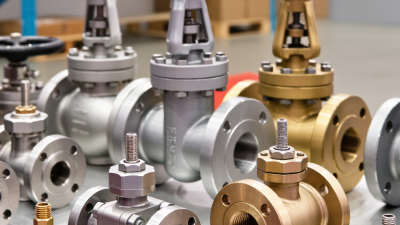
A valve home, commonly called a valve housing, encloses the pressure-carrying parts and guides fluid safely through a system. Its design affects strength, maintenance, heat transfer, and leakage control. Cast housings suit common water and process lines because they are economical and compact. Forged housings provide denser metal and better resistance to severe pressure. Fabricated housings allow unusual shapes, but weld quality becomes critical.
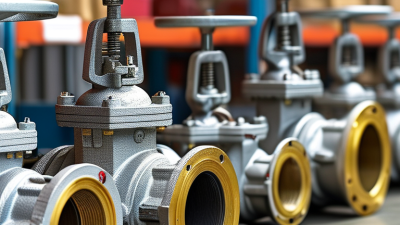
Function changes with the internal valve design. A ball valve uses a rotating, drilled sphere for fast isolation. A gate valve lifts a wedge and creates low resistance when fully open. A globe valve uses a moving plug, offering finer flow control but higher pressure loss. A check valve operates automatically, stopping reverse flow without an operator. Small details matter, including seat material, stem sealing, actuator torque, and drainage points.
The 2024 MarketsandMarkets report valued the industrial valve market at about 78.8 billion dollars in 2023. The report forecasts roughly 97.4 billion dollars by 2028, reflecting wider industrial demand. The International Energy Agency reported that industry consumed 37% of global final energy in 2022. Efficient valve selection therefore deserves attention, especially in hot or continuously operating systems. For clean water, choose corrosion-resistant materials and simple isolation. For throttling, use a control-focused design instead of forcing a gate valve into partial opening. I have seen specifications overlook installation access. That mistake becomes expensive. Check pressure class, temperature range, fluid chemistry, maintenance space, and applicable standards before buying.
Which Valve Home Should You Buy for Your Needs?
A valve home is the central control point for residential water flow. It may include a main shutoff valve, pressure-reducing valve, check valve, or automatic leak-control device. The right choice depends on your pipe size, water pressure, climate, and maintenance habits. It is not simply a price decision.
For most homes, a full-port ball valve is practical because its handle gives quick, visible control. Homes with unstable supply pressure may need a pressure-reducing valve. The American Society of Plumbing Engineers recommends regulating excessive pressure to protect fixtures, joints, and appliances. The U.S. Environmental Protection Agency reports that household leaks waste nearly 1 trillion gallons of water annually nationwide. That makes reliable shutoff access more important than many homeowners expect.
A smart automatic valve can detect unusual flow and close the supply remotely. It suits vacation homes, older properties, and households with washing machines on upper floors. However, sensors need power, testing, and a dependable internet connection. A manual valve may feel less advanced, but it can work during an outage. Check that the device meets recognized plumbing standards and matches local installation requirements. Measure the pipe before buying. A tidy-looking valve can still be the wrong size. Personally, I would choose a durable manual valve first, then add automatic protection when the home’s risks justify the extra complexity.
What Is Valve Home and Which Type Should You Buy?
“Valve home” refers to choosing the valve design that best matches the system’s normal job. This comparison uses a practical 1–5 suitability scale based on common valve characteristics: shutoff performance, flow regulation, resistance to pressure loss, and frequency of operation.