2026 How to Choose the Best Lever Valve for Your Needs?
Choosing the right lever valve can seem daunting. There are many options available, each designed for specific needs. Understanding how to select a valve that fits your requirements is essential. A lever valve can control fluid flow efficiently, making it valuable in various applications.
When assessing lever valves, consider their design, material, and size. Each detail can impact performance. For example, a stainless steel lever valve may offer durability in harsh environments. By being clear about your needs, you can narrow down choices effectively.
However, the perfect lever valve may not exist. Sometimes, you may need to compromise on certain features. It’s important to reflect on what you truly need versus what is available. Balancing these elements will lead you to the most suitable choice for your project.
Understanding the Basics of Lever Valves and Their Functionality
Lever valves are essential components in many industries. They control the flow of fluids or gases through a system. Understanding their basics can help you choose the right type for your specific application. Lever valves operate by turning a handle or lever to open or close the valve. This direct operation allows for quick adjustments. Knowing how they function will aid in identifying the best fit for your needs.
When selecting a lever valve, consider the material it's made from. Different materials affect durability and compatibility with various fluids. For example, brass valves are robust but may not be suitable for corrosive liquids. Stainless steel offers excellent resistance to rust, making it a popular choice. Reflecting on past experiences can guide your decision, ensuring that you avoid materials that failed you before.
Take into account the valve's size and pressure rating. A valve that does not match the system's requirements may lead to failures or inefficiencies. Research the flow rates and pressure limits to choose wisely. Understand your own needs; sometimes, a simpler option will work better than an elaborate design. Always ensure the valve you select aligns with your operational goals and safety standards.
Identifying the Key Applications for Lever Valves in Various Industries
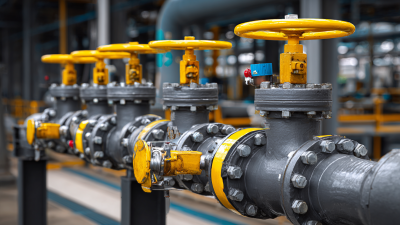
Lever valves play a crucial role in various industries. Their applications span manufacturing, water treatment, and HVAC systems. Understanding where they excel is key to making informed choices. For example, in fluid control systems, lever valves provide quick and efficient operation. They allow for precise modulation, which is essential in processes requiring accuracy.
In agriculture, lever valves help manage irrigation systems. Farmers benefit from their easy operation and reliability. This reliability is crucial, especially when dealing with varying water pressures. Although these valves are widely used, selecting the right type is sometimes challenging. The variability in designs can lead to confusion, requiring careful consideration of specific needs.
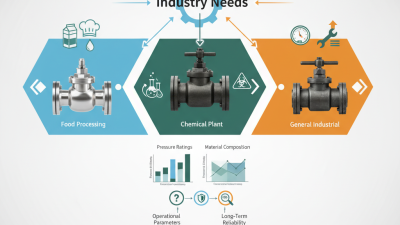
In the food processing industry, lever valves must meet stringent hygiene standards. This sector demands materials that withstand corrosive substances. Decisions should reflect these operational demands. While lever valves offer flexibility and control, industries should also reflect on their maintenance needs. Regular check-ups can prevent unexpected failures, ensuring smooth operations.
Evaluating Different Types of Lever Valves Available on the Market
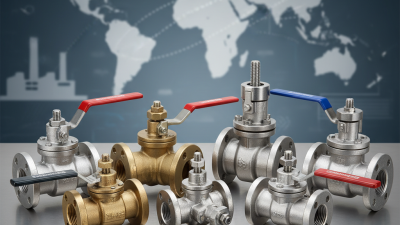
When selecting a lever valve, evaluating the types available is crucial. The most common types include ball, gate, and globe valves. Each type has unique characteristics suited for specific applications. According to recent market research, the global valve market is projected to reach USD 96.7 billion by 2026, indicating a strong demand for functionality and efficiency in lever valves.
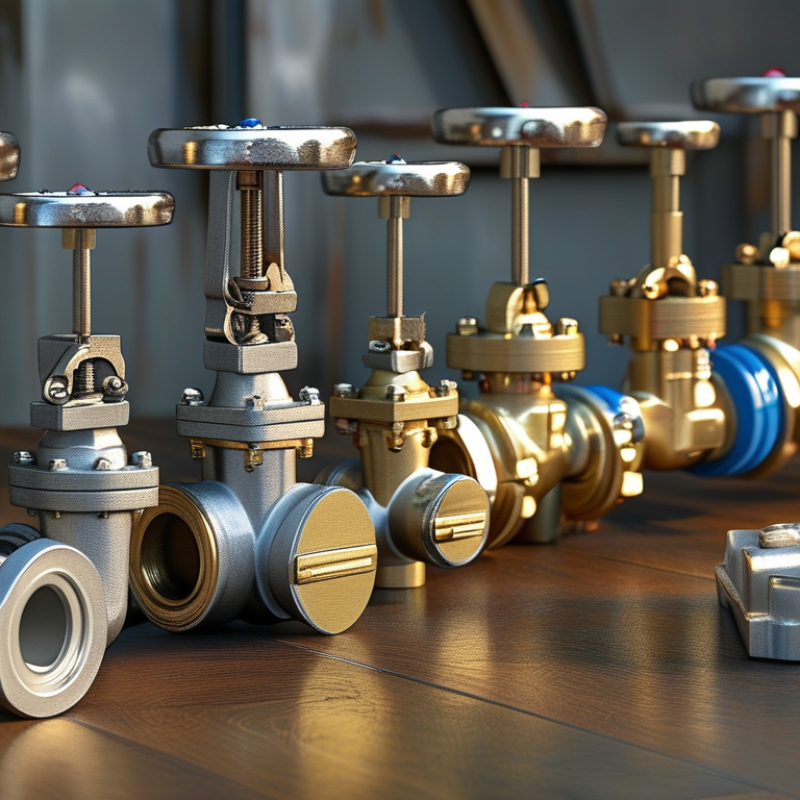
Ball valves are favored for their quick operation and excellent sealing capabilities. They can handle a wide range of fluids, making them versatile in many industries. However, they may not perform well in throttling applications. Gate valves, on the other hand, are used primarily for on-off control rather than regulating flow. They can provide minimal resistance when fully opened. The challenge with gate valves lies in their slower operation, which can hinder quick response times in critical situations.
Globe valves offer good throttling capabilities and are commonly used for flow regulation. Yet, the flow restriction can lead to pressure drops across the valve, which might not be suitable for all scenarios. Understanding these distinctions allows you to select the right valve based on your specific requirements. Allocating time for a thorough evaluation is essential. Relying solely on general recommendations might not address the nuanced needs of your applications.
Factors to Consider When Selecting a Lever Valve for Specific Needs
When selecting a lever valve, understanding your specific needs is vital. The application often dictates the type you should consider. For instance, if you work in a high-pressure environment, you need a valve capable of withstanding those conditions. Look for valves made from durable materials that ensure reliability over time.
Another key factor is the size of the valve. It should match the pipe dimensions to prevent leaks and ensure proper flow.
An oversized valve may cause unnecessary resistance, while an undersized one may not handle the flow rate effectively. It’s important to keep your system’s specifications in mind during this selection process.
Tips: Consider consulting with a professional. Their insights can help clarify which valve best meets your requirements. Always review product specifications to avoid potential mismatches.
Test the valve, if possible, to ensure it performs as needed. Remember, investing in quality now can save costly repairs later. Take your time with the decision; rushing may lead to mistakes.
Maintenance Tips to Ensure Longevity and Performance of Lever Valves
Maintenance of lever valves is crucial for their longevity and optimal performance. Regular checks and proper care can prevent costly downtimes. According to industry reports, breakdowns related to valve failure account for approximately 30% of all operational interruptions in manufacturing settings. Implementing routine maintenance protocols can significantly reduce these incidents.
Periodic inspection is essential. Look for signs of wear, leaks, or corrosion. Clean the valve regularly to avoid buildup. Lubricate moving parts to enhance performance. An effective maintenance schedule might include quarterly checks and a detailed yearly audit. Using oil and grease designed for the specific application increases durability.
In addition, employee training plays a significant role in valve upkeep. Ensure operators understand the importance of proper handling. They should be aware of potential issues and the appropriate steps to take. This knowledge helps in minimizing human error, which is a common source of valve malfunctions. Monitoring performance metrics can help identify patterns indicating when a valve may require attention.