What is the Best Lever Valve for Your Industry Needs?
Choosing the right lever valve for your industry can be challenging. Lever valves are essential for controlling fluid flow in various applications. Their design allows for efficient operation and ease of use. However, not all lever valves are created equal.
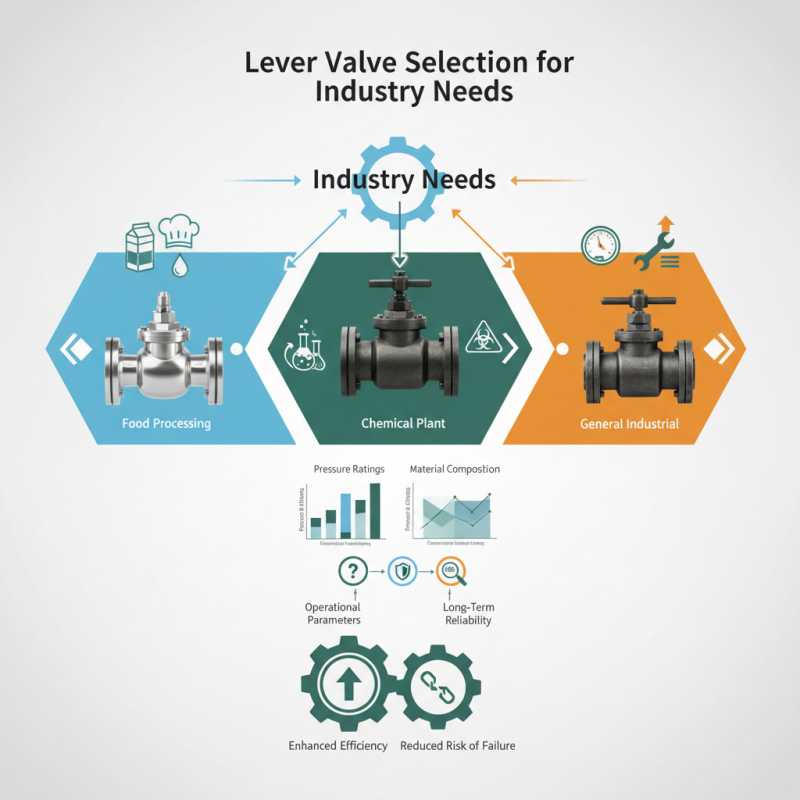
Industries have unique needs, and your choice of a lever valve should align with those requirements. Factors like pressure ratings and material compositions come into play. For example, a food processing plant may need stainless steel valves for safety and hygiene. In contrast, a chemical plant might prioritize corrosion resistance. This decision impacts not just performance, but overall operational safety.
Understanding your operational parameters is crucial. A lever valve that works for one industry may not suit another. It’s important to consider the long-term reliability of the valve. Make sure to consult experts when making your choice. They can offer insights that may not be immediately obvious. Remember, a well-selected lever valve can enhance efficiency and reduce the risk of failure.
Understanding Lever Valves and Their Functionality
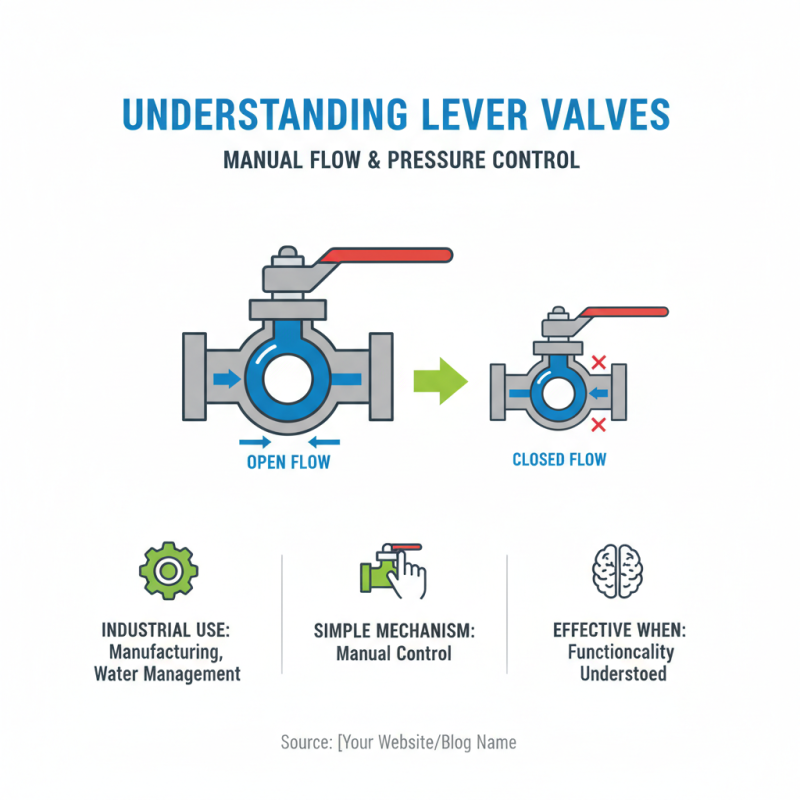
Lever valves play a crucial role across various industries, from manufacturing to water management. These devices provide manual control over flow and pressure. Their simplicity makes them accessible, but their effectiveness relies on understanding how they function.
According to industry reports, lever valves enhance efficiency by up to 30% in fluid control applications. They allow precise regulation of fluids, which is essential for maintaining operational safety. However, not all lever valves are equal. Selection depends on specific industry requirements, like fluid type and pressure ranges.
Tip: Always assess the environment where the valve will be used. Corrosive substances can damage some materials, affecting performance and safety.
Many users underestimate the importance of regular maintenance. Neglect can lead to leaks and inefficient operations. It’s advisable to check for wear and tear periodically to ensure long-lasting performance. A proactive approach in maintenance can save money and prevent unexpected downtimes.
Tip: Develop a routine inspection schedule. This practice helps in identifying potential issues before they escalate.
Lever valves serve essential functions but require thoughtful choices and upkeep. Their reliability hinges on informed decision-making and consistent attention to maintenance.
Key Factors to Consider When Selecting a Lever Valve
When selecting a lever valve for industrial applications, key factors must be considered. The actuator type is crucial. Manual, pneumatic, or hydraulic options exist, each suited to different scenarios. For instance, manual valves offer simplicity, while pneumatic may provide faster operation.
Material selection influences durability. Stainless steel may resist corrosion, but plastic is lightweight and cost-effective. Assess the environment where the valve will operate to ensure it withstands harsh conditions. Compatibility with existing systems is also important.
This prevents issues during installation and use.
Pressure ratings cannot be ignored. Each application has specific requirements. Overlooking this aspect could lead to failures. Flow rate is another vital consideration for performance. High-flow systems need valves designed to handle increased capacity.
Finally, understand the maintenance needs. Some valves may require regular checks, while others offer low upkeep. Careful evaluation of these factors leads to better decision-making in what lever valve suits your industry needs.
Comparative Analysis of Lever Valve Types for Different Industries
Choosing the right lever valve for your industry is essential. Different sectors have unique requirements, which affect valve performance. For example, a food processing plant may require valves that comply with safety regulations. Conversely, a chemical plant may need valves that withstand harsh environments. Understanding these distinctions is key.
When assessing lever valve types, consider the materials used. Stainless steel valves are durable and resistant to corrosion. On the other hand, plastic valves might be suitable for lighter applications. Evaluate the operating environment carefully. Poor choices can lead to leaks or failures, impacting safety and productivity.
Tips: Always check the compatibility of the valve materials with your specific fluids. Regular maintenance schedules can prevent many issues. Ensure your team is trained on the proper use of lever valves to enhance efficiency and safety. Your choice today can have lasting implications on operational success.
Application-Specific Lever Valve Recommendations
Choosing the right lever valve for your industry is crucial. Different applications require specific features. For instance, in the water treatment industry, a corrosion-resistant valve is needed. The harsh environment demands durable materials. This ensures longevity and reliability in operations.
Manufacturing sectors often need valves that can handle high pressures. A robust lever valve design is essential here. It can control fluid flow efficiently, preventing leaks. Additionally, ergonomic handles improve user safety and ease of operation. A key consideration is ensuring compatibility with existing systems.
In the food and beverage industry, hygiene is paramount. Lever valves must be easy to clean and maintain. Sanitary designs help prevent contamination. The flexibility to handle various media is also valuable. These industry-specific attributes influence decision-making. Reflecting on performance and user feedback is vital for improvements. It shapes future selections and enhances reliability in diverse applications.
What is the Best Lever Valve for Your Industry Needs? - Application-Specific Lever Valve Recommendations
| Industry |
Recommended Valve Type |
Material |
Operating Pressure (psi) |
Temperature Range (°F) |
| Automotive |
2-way Lever Valve |
Aluminum |
0-150 |
-40 to 250 |
| Food Processing |
Sanitary Lever Valve |
Stainless Steel |
0-100 |
32 to 180 |
| Chemical Industry |
3-way Lever Valve |
PVC |
0-200 |
-20 to 140 |
| Oil and Gas |
Heavy-Duty Lever Valve |
Carbon Steel |
0-3000 |
-40 to 350 |
| Pharmaceutical |
Therapeutic Lever Valve |
PTFE |
0-150 |
32 to 230 |
Maintenance Tips for Optimizing Lever Valve Performance
Lever valves are essential in various industries, but their performance can deteriorate without proper maintenance. Regular inspection is crucial. Check for any leaks or unusual noises. These are often early signs of wear. If you notice any dysfunction, addressing these issues promptly can save you from costly repairs later.
Lubrication plays a vital role in valve longevity. Ensure you're using the right lubricant to reduce friction. Apply it sparingly to avoid buildup, which can hinder performance. Always clean the valve surfaces before lubrication. A clean surface ensures an effective seal, preventing leaks. Remember, even a small imperfection on the valve can lead to significant issues down the road.
Training staff on proper handling is equally important. Operators must understand how to use the levers correctly. Misuse can lead to damage quickly. Encourage feedback on valve performance and challenges. This information can be valuable. Consider periodic workshops or refresher courses to reinforce proper techniques. Continuous improvement should be a priority for anyone relying on lever valves.