Best Flow Valve Manufacturers in China

China’s flow valve sector serves water treatment, energy, chemical processing, HVAC, and general manufacturing. Its manufacturers vary widely in engineering depth, production scale, and after-sales support. A polished catalog alone proves little. Buyers should examine pressure and temperature ratings, material traceability, test procedures, certifications, and documented performance. Small details matter: a readable nameplate, smooth stem movement, and a clearly stated lead time can reveal how carefully a supplier manages quality.

Philip L. Skousen, author of Valve Handbook, is a useful reference for practical valve selection. No verified verbatim quotation from him was provided for this introduction, so the following line is an editorial summary, not a direct quote: “Choose a valve by its duty, evidence, and service life—not by price alone.” That distinction matters. It keeps product claims separate from independently checkable records. Still, even strong documentation cannot predict every installation problem. Buyers should confirm operating conditions and discuss maintenance access before placing an order.

This guide compares leading flow valve manufacturers in China by product range, manufacturing capability, quality controls, customization, and service responsiveness. It also considers the evidence behind each company’s claims, rather than repeating marketing language. Expect practical comparisons, not a perfect ranking. Supplier strengths differ, and the right choice depends on the process, budget, and support available after delivery.
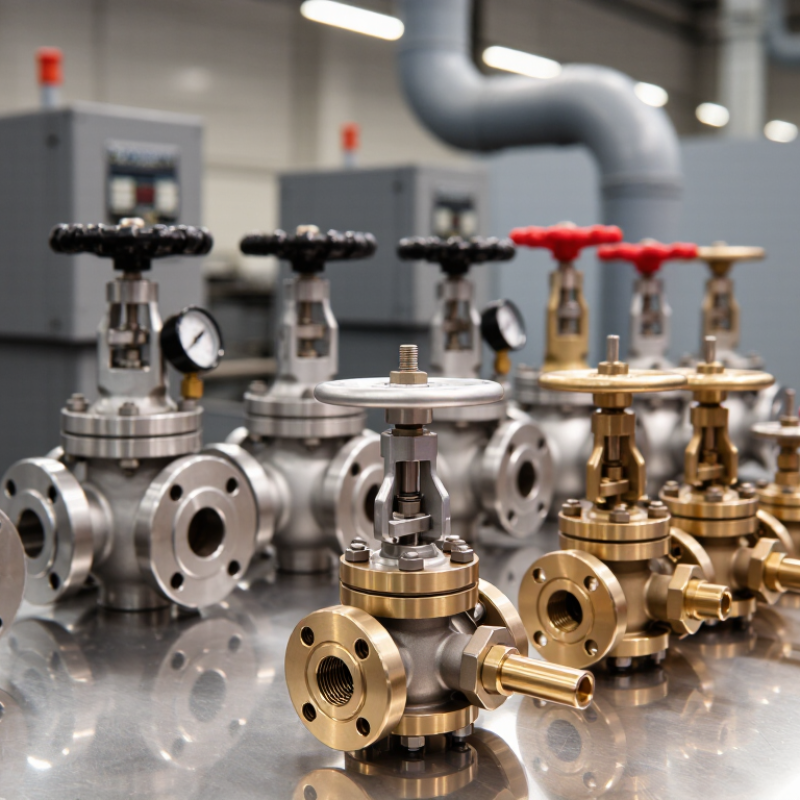
Best Flow Valve Manufacturers in China

What Flow Valves Are and How They Work

What Flow Valves Are and How They Work

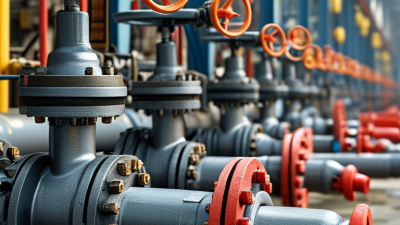
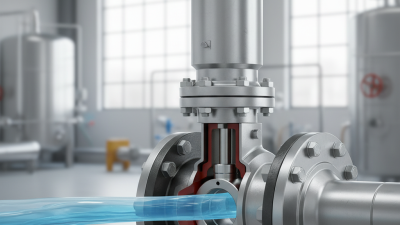
A flow valve controls how much liquid or gas moves through a pipe, and sometimes its direction. Inside, a moving part—such as a plug, ball, or disc—changes the opening available to the fluid. Turn a handwheel or send a signal to an actuator, and the opening shifts. A smaller opening usually reduces flow, though actual performance also depends on pressure and fluid properties. The valve is one part of a larger system.

In operation, fluid pressure pushes against internal surfaces as the valve adjusts. A control system may compare measured flow with a target and reposition the valve. Manual valves rely on an operator’s judgment instead. Neither method makes every reading exact. For example, a partly blocked strainer or a sudden pump change can alter flow even when the valve setting stays put. Small details matter.

Tips: Check the valve’s rated pressure, temperature, and compatible fluid before selecting it. Match its size to the pipe and expected flow, not just the connection diameter. Watch for vibration, leaks, or an unexpectedly warm body during routine checks. Keep notes on operating conditions; memory is unreliable. A simple test can reveal problems, but it may not explain their cause.

Types of Flow Valves Made in China

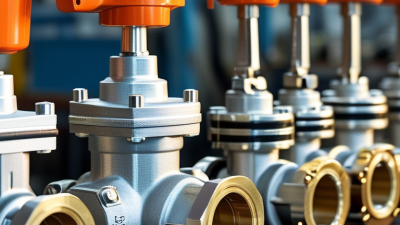
Flow valves made in China include several designs for regulating, isolating, and directing fluids. Globe valves offer precise throttling and are often used where flow needs frequent adjustment. Gate valves create a relatively open passage when fully raised, making them useful for on-off service. Ball valves turn quickly and provide a tight shutoff, while butterfly valves are compact options for larger pipes. Small details matter. Seat material and seal design can affect performance with hot water, oil, or mildly corrosive media.

Check valves prevent reverse flow without manual operation, but their closing behavior should suit the pump and piping system. For automated control, modulating valves respond to signals and help maintain a target flow or pressure. A catalog description alone is not enough. Compare pressure and temperature ratings, body materials, connection dimensions, and test documentation with the actual operating conditions. A valve that looks suitable on paper may behave poorly if it is oversized or paired with an incompatible seal. That deserves a second look. Manufacturers’ product ranges vary, so confirm the exact configuration and inspection requirements before ordering.

Criteria for Evaluating Chinese Flow Valve Manufacturers

Evaluating Chinese flow valve manufacturers takes more than comparing prices and catalog images. Start with the operating conditions: fluid type, pressure, temperature, connection size, and expected cycle frequency. A supplier should explain how its proposed materials and valve design fit those conditions. Ask for material certificates and traceability records for pressure-containing parts. A clear answer matters.

Review quality controls on the factory floor. Ask how dimensions are checked, how pressure tests are recorded, and what happens when a unit fails inspection. Request sample test reports that match the valve type you plan to buy. Check whether certificates are current and relevant to your application; a certificate alone does not prove consistent production. Look for documented inspection steps and stable batch identification. Small details matter.

Communication is part of technical evaluation. Send a drawing or specification and note how quickly the manufacturer identifies missing information. Confirm production lead times, packaging, spare-part availability, and the process for handling defects. If possible, inspect a sample or arrange an independent factory audit. A polished catalog can still leave practical questions unanswered. I would not treat one delayed reply as proof of poor capability, though repeated vague answers deserve attention. Ask for evidence, then compare suppliers against the same requirements.

Best Flow Valve Manufacturers in China - Criteria for Evaluating Chinese Flow Valve Manufacturers

Use this weighted checklist to compare manufacturers. Score each criterion from 1 (limited evidence) to 5 (strong, verifiable evidence), then calculate the weighted score. Standards and approval requirements vary by valve type, application, and destination market.

Evaluation criterion Weight What to evaluate Evidence to request
Product range and application fit 15% Suitability of valve types, sizes, pressure classes, end connections, and operating conditions for the specified service. Current product catalog, dimensional drawings, pressure-temperature ratings, and a written review of the application requirements.
Applicable standards and approvals 15% Whether the offered valve design and production meet the standards and regulatory requirements relevant to the product and destination market. Valid certificates with scope and expiry dates. Depending on the valve, examples may include ISO 9001 for quality management or product-specific API, ASME, EN, or other applicable requirements.
Materials and engineering capability 15% Material selection for pressure, temperature, corrosion, fluid compatibility, and service life; ability to review drawings and technical requirements. Material specifications, material test certificates where required, engineering calculations or design documents, and documented deviation approval.
Manufacturing and quality control 15% Control of production processes, supplier materials, machining, assembly, traceability, and nonconforming products. Quality procedures, inspection and test plans, production records, calibration records, traceability samples, and an audit or facility assessment where appropriate.
Inspection and performance testing 15% Ability to perform the inspections and tests required by the purchase specification and applicable product standard. Sample test reports, test equipment and calibration details, acceptance criteria, and confirmation of any required witness or third-party inspection.
Customization and technical support 10% Capacity to address nonstandard dimensions, materials, actuators, accessories, or project-specific documentation without compromising compliance. Technical response samples, revision-controlled drawings, design-change procedures, and a clear process for handling questions and approvals.
Delivery, packaging, and export readiness 10% Realistic lead-time commitments, order progress visibility, preservation and packaging suitable for transport, and export-document capability. Written delivery schedule, packaging specification, sample shipping documents, and procedures for reporting schedule changes.
Warranty and after-sales service 5% Clarity of warranty terms, spare-parts availability, technical assistance, and the process for addressing product issues. Written warranty conditions, service contact process, spare-parts policy, and documented claim-handling steps.
Total weighting 100% Compare documented evidence against the same project requirements for every supplier.

Scoring method: Weighted points = criterion weight × score ÷ 5. The maximum total is 100 points. Verify certificates and test records directly, and confirm that their scope applies to the specific valve products being quoted.

Leading Flow Valve Manufacturers in China

Leading Flow Valve Manufacturers in China

China’s flow valve manufacturers serve water treatment, power, chemical processing, and building services. A MarketsandMarkets industry report estimated the global industrial valves market at USD 78.2 billion in 2023, with a forecast of USD 96.4 billion by 2028. This growth raises expectations for dependable manufacturing, not just competitive pricing. Look for clear material specifications, pressure and temperature ratings, and documented testing. A capable supplier should explain how its valves perform under your actual operating conditions. Catalogs alone are not proof.

When assessing manufacturers, ask for pressure-test records, inspection procedures, and traceability for body and trim materials. Check whether stated flow coefficients and connection dimensions match your system drawings. For a water line, even a small mismatch can complicate installation; for abrasive service, trim selection matters. ISO 5208 provides pressure-testing requirements for industrial valves, while applicable project specifications should guide acceptance. Factory visits or independent inspections can add confidence, though they take time. I would not treat a polished audit as a guarantee.

Tips: Send operating pressure, temperature, fluid, and connection details before requesting quotations. Compare test evidence alongside price. Keep one question open: does the offered configuration match the service, not merely the product name?

How to Choose a Flow Valve Manufacturer in China

Best Flow Valve Manufacturers in China

How to Choose a Flow Valve Manufacturer in China

Choosing a flow valve manufacturer takes more than comparing prices. Match the valve design to your fluid, pressure range, temperature, and required flow rate. A valve handling clean water may not suit a slurry with abrasive particles. Share operating details early, including pipe size and connection type. Ask how the manufacturer verifies materials, dimensions, and pressure performance. Request relevant test records and a sample inspection report. These documents help you assess the process, not just the sales claims.

Tips: Send the same specification sheet to each supplier. Ask for material certificates, inspection steps, lead time, and warranty terms in writing. If a detail is unclear, request a drawing or a marked-up sample. Check whether product testing reflects your actual service conditions.

Factory communication matters, too. Confirm who will answer technical questions and how design changes are approved. For a custom valve, review the drawing before production and clarify what happens if the sample differs from the approved version. References from buyers with similar applications can offer useful context, though one good reference is not proof of consistent quality. Remote checks have limits. A neat factory video cannot show every production detail, so consider an independent inspection for a large or critical order. The lowest quote may still be the right choice, but only when scope, materials, and testing are comparable.