Choosing the right shut-off valve can prevent leaks, pressure loss, and costly maintenance. When buyers search for a “1 shut off valve,” they often mean a one-inch valve for water, air, fuel, or industrial fluids. However, size alone does not determine performance. Thread type, connection standard, body material, seal quality, pressure rating, and operating temperature all require careful review.
This guide examines seven strong 1-inch shut-off valve options for international buyers. Each option is considered through practical purchasing criteria, including brass, stainless steel, PVC, and specialized alloy construction. We also examine ball, gate, globe, and other common designs. A compact brass ball valve may suit building plumbing, while a stainless steel model may better handle corrosive environments. Small details matter. A stiff handle can signal poor machining or unsuitable sealing components.
Global sourcing adds another layer of responsibility. Buyers should confirm test reports, product traceability, thread standards, packaging quality, and supplier communication before placing large orders. Certifications may differ by market, so a familiar logo should not replace document verification. It is also wise to check replacement seals and warranty terms. Some listings appear nearly identical, yet their pressure ratings differ significantly.
There is no universal best valve.
The final choice depends on the medium, installation conditions, budget, and local requirements. This comparison aims to make those decisions clearer, while acknowledging one limitation: product specifications can change between batches or suppliers. Always confirm the latest datasheet before installation.
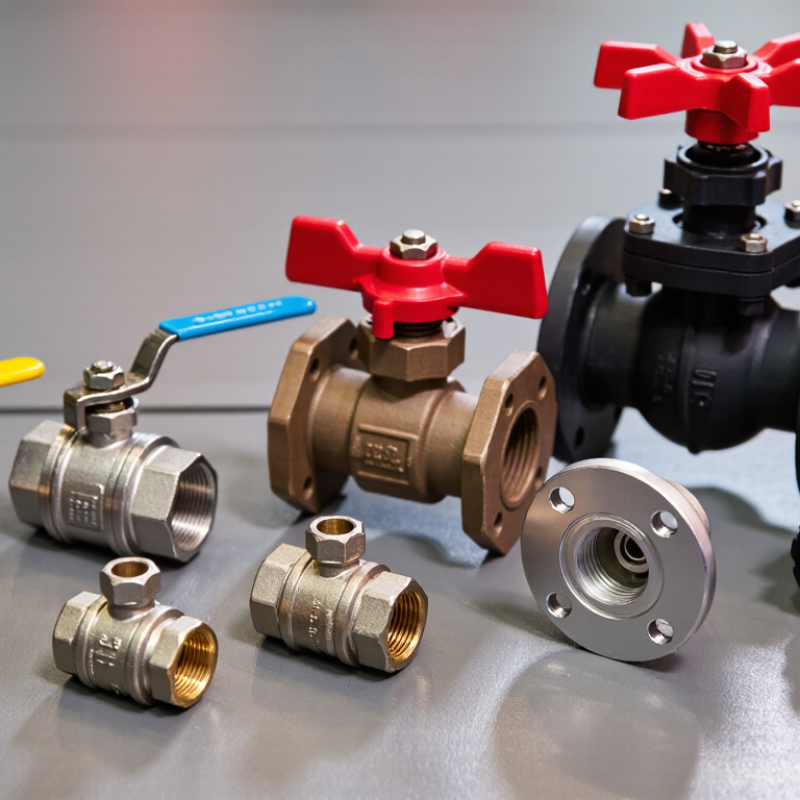
A 1-inch shut-off valve controls water, air, or process fluid through a nominal 1-inch pipeline. Its actual connection diameter may differ, so measurement matters. Inside, a ball, gate, globe, or butterfly disc blocks the passage. A quarter-turn handle usually operates a ball valve. Multi-turn handles operate gate and globe valves. When fully closed, the valve isolates equipment for maintenance or emergency repair.
Selection requires more than matching pipe size. Check pressure rating, temperature range, body material, seal compatibility, connection standard, and flow direction. ISO 5208 provides leakage-testing methods for industrial valves. For potable-water systems, NSF/ANSI 61 addresses material safety.
The WHO/UNICEF Joint Monitoring Programme reported that 2.2 billion people lacked safely managed drinking water in 2022.
Reliable isolation supports safer repairs, although one valve cannot fix weak infrastructure. I still see buyers treating “1 inch” as an exact measurement. That shortcut can create costly installation errors.
Tips:
Confirm the pipe’s outside diameter and thread type before ordering. Choose full-port designs where pressure loss matters.
Verify the working pressure, not only the maximum test pressure. EPA WaterSense estimates that household leaks can waste nearly 10,000 gallons of water annually.
A properly installed shut-off valve helps locate and control leaks, but poor sealing or forced handles can reduce its service life. Keep access clear around the handle. Small details matter.
Choosing a 1-inch shut-off valve worldwide requires more than matching pipe size. “One inch” usually means nominal diameter, not the valve’s exact internal bore. Check pressure, temperature, flow direction, and connection standards before ordering.
The 2023 WHO/UNICEF Joint Monitoring Programme report states that 2.2 billion people lacked safely managed drinking water in 2022. Reliability matters. For water systems, select materials compatible with local water chemistry, especially in coastal or high-chloride areas. Drinking-water projects may also require NSF/ANSI 61 or equivalent approval. For industrial service, compare pressure ratings under ASME B16.34 and leakage performance under ISO 5208. A valve that passes a factory test may still perform poorly after incorrect installation.
Connection type can decide installation time. Threaded ends suit compact maintenance work, while flanged or grooved ends may handle vibration better. Consider handwheel access, actuator clearance, replacement seals, and local spare-part availability. The U.S. Environmental Protection Agency reports that household leaks can waste nearly 1 trillion gallons of water annually nationwide. Small failures become expensive.
I would not choose a valve by price alone. A cheaper alloy may corrode quickly. Yet overspecifying every valve also wastes budget and space. Confirm the real duty cycle, operating torque, certification documents, and test records. Field experience suggests that clear documentation often prevents more failures than a heavier body.
7 Best 1-Inch Shut-Off Valve Types for Different Applications
A 1-inch ball valve suits water lines, compressed air, and general equipment isolation. Its quarter-turn handle closes quickly, while the full bore usually limits pressure loss. Gate valves work well on straight pipelines needing occasional isolation. They are not ideal for frequent adjustment. A globe valve provides better flow control, especially near pumps or heating equipment. Its internal path creates more resistance, but that trade-off can improve regulation.
Butterfly valves save space in compact mechanical rooms. Their lightweight disc design supports fast operation, although the disc can affect flow when fully open. Needle valves serve small instrument lines requiring precise adjustment. They respond slowly, but that can prevent sudden pressure changes. Plug valves tolerate many demanding fluids and offer a firm shut-off. Their sealing torque may rise when residue builds around the plug.
Diaphragm valves fit corrosive, contaminated, or hygienic services because the flexible membrane separates the mechanism from the fluid. Check the diaphragm material carefully. I have seen otherwise suitable valves fail early because temperature data was overlooked. Field selection should compare pressure, temperature, fluid chemistry, connection type, and maintenance access. A laboratory rating is useful, but it cannot predict every installation. Leave room for inspection. A crowded valve is difficult to operate safely, even when its size appears correct.
Typical pressure ratings for commonly used 1-inch valve types. Actual ratings depend on material, connection standard, temperature, and manufacturer specifications.
How to read the chart: Ball and needle valves commonly support higher pressure ratings, while butterfly and diaphragm valves are often selected for lighter-duty systems, process control, or applications requiring compact designs and easy maintenance.
A 1-inch shut-off valve is not automatically suitable for every global project. The best choice depends on standards, fluid, temperature, and installation practice. In field inspections, I check the marking before inspecting the handle. It should show size, material, pressure class, and flow direction when applicable.
For potable water, lead-free brass or stainless steel is often preferred, with certification such as NSF/ANSI 61 or an accepted local equivalent. Stainless steel 316 handles corrosive environments better than 304, while PVC or CPVC can suit selected chemical systems. Carbon steel remains useful for industrial service, but coating quality matters.
Do not compare PN16 directly with 600 WOG. Pressure ratings change with temperature, material, and test method. A valve rated for cold water may lose capacity in hot service.
Connection options include NPT, BSPP, BSPT, ISO 7-1 threads, flanges, grooved ends, and socket-weld designs. Thread mismatch causes leaks, even when the diameter looks identical. ASME, EN, ISO, and API references may appear on technical documents, but one standard rarely proves total compatibility.
Confirm pressure testing under ISO 5208 or EN 12266 when required. I once saw a correct valve fail because the gasket material was ignored. That detail is easy to miss.
Buyers should request drawings, certificates, torque data, and temperature derating tables before approving one of the seven options.
Selecting a 1-inch shut-off valve requires more than matching pipe size. Check the medium, pressure, temperature, connection type, and flow direction.
ASME B16.34 provides pressure-temperature rating guidance for industrial valves. ISO 5208 defines valve pressure-testing methods, including shell and seat leakage checks. These standards improve purchasing confidence, but they do not replace site-specific engineering. A valve that works well for clean water may fail quickly in abrasive slurry.
Installation should keep the valve body supported and the pipe aligned. Avoid using the valve as a pipe wrench. Tighten threaded connections carefully, because excessive force can damage the body or sealing surface.
Before commissioning, inspect the handle movement and confirm the closed position. During maintenance, check packing, bolts, corrosion, and visible leakage. OSHA estimates that proper lockout/tagout procedures prevent about 120 fatalities and 50,000 injuries annually in the United States. Isolating the line matters. Residual pressure can remain dangerous.
Tips: Ask suppliers for pressure-test records, material certificates, and dimensional drawings. Confirm whether seals suit water, air, chemicals, or food-contact service. Specify the required leakage class in writing. Keep spare seals in a labeled, dry cabinet. A common mistake is choosing by price alone. Review total service life, replacement access, and local technical support. Global buyers should also verify thread standards, customs documents, and language-specific safety instructions before shipment.