Best Shut Off Valve for Global Buyers in 2026?
In the realm of plumbing, the shut off valve is a crucial component. It allows users to control the flow of water, preventing leaks or damage during emergencies. With the increasing demand for quality plumbing supplies globally, buyers are seeking the best shut off valve options for 2026.
As the market evolves, emerging technologies and design innovations redefine shut off valves. Smart valves are becoming popular, offering remote control features. However, not all buyers understand the complexities and specifications of these advanced products. This gap can lead to costly mistakes and frustration.
Choosing the right shut off valve requires careful consideration. Factors such as material quality, durability, and compatibility with existing systems play key roles. Buyers should prioritize reliable brands and seek expert advice. The goal is to enhance the efficiency of plumbing systems while reducing risks. Exploring the best options for 2026 is not only about new technologies but also about understanding past experiences and maintaining a clear perspective on needs.
Best Shut Off Valve Options for Industrial Applications in 2026
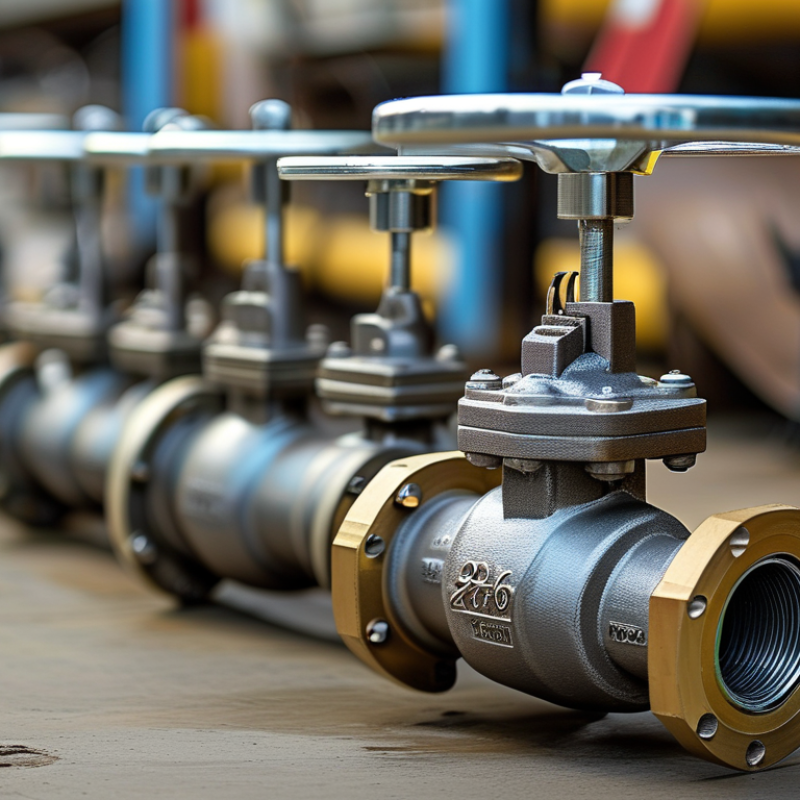
When it comes to industrial applications, selecting the right shut-off valve is crucial. These valves play a key role in controlling fluid flow. They are essential for maintaining system integrity and safety. A reliable shut-off valve prevents leaks and minimizes downtime. In 2026, buyers should consider various factors.
Material is an important aspect. Many industries use stainless steel for its durability. However, plastic options are gaining traction in specific applications. Consider the environment where the valve will be installed. High temperatures and corrosive substances can affect performance. Experts often advise testing valves under real conditions. This can uncover potential weaknesses.
Performance is not always easy to evaluate. Many valves may look similar in specifications. Yet, their reliability can vary significantly. It's good practice to seek recommendations from trusted sources. Engage with professionals who have hands-on experience. They can provide insights into the best models and brands. An informed choice can save time and reduce costs in the long run.
Best Shut Off Valve for Global Buyers in 2026? - Best Shut Off Valve Options for Industrial Applications in 2026
| Valve Type |
Material |
Size Range (inches) |
Pressure Rating (PSI) |
Temperature Range (°F) |
Typical Applications |
| Ball Valve |
Stainless Steel |
1 - 10 |
150 - 3000 |
-20 to 400 |
Oil, Gas, Water |
| Gate Valve |
Ductile Iron |
2 - 24 |
150 - 600 |
32 to 200 |
Water Supply, Wastewater |
| Globe Valve |
Brass |
0.5 - 6 |
150 - 800 |
-20 to 300 |
HVAC, Waterworks |
| Check Valve |
PVC |
1 - 12 |
50 - 150 |
32 to 140 |
Irrigation, Pool Systems |
| Butterfly Valve |
Aluminum |
2 - 48 |
150 - 1500 |
-4 to 392 |
Food Processing, Chemical |
Comparative Analysis of Valve Materials: Brass vs. Stainless Steel
When choosing shut off valves, material selection is crucial. Brass and stainless steel are two common choices, each offering unique benefits. Brass is known for its excellent corrosion resistance, making it ideal for plumbing systems. According to a recent industry report from the Fluid Control Institute, brass valves can sustain effective performance even under high temperatures and pressures.
On the other hand, stainless steel boasts superior durability. It is less prone to rust and can withstand various chemical environments. A study published in the Journal of Materials Science highlights that stainless steel valves exhibit a longer lifespan, especially in industrial applications. However, they come at a higher cost compared to brass alternatives, which may not fit every budget.
Each material has its caveats. Brass can be subject to dezincification, compromising reliability. Meanwhile, stainless steel may be over-engineered for certain applications, leading to unnecessary expenses. Understanding the specific needs of the application is key. This helps ensure you choose the right material, balancing performance and cost-effectiveness.
Best Shut Off Valve for Global Buyers in 2026
Key Performance Metrics for Shut Off Valves: Flow Rate and Pressure Ratings
When selecting a shut off valve, flow rate and pressure ratings are crucial metrics. The flow rate indicates how much fluid can pass through the valve. It's vital for ensuring efficient system operation. A higher flow rate generally means better performance in high-demand situations. However, balancing flow rate with system pressure is essential. If the pressure rating is too low, it can lead to valve failure.
Pressure ratings specify the maximum pressure the valve can handle. Choosing a valve with an inadequate rating can result in leaks or catastrophic failures. Always review the pressure ratings alongside the flow rates. This will provide a clearer picture of how the valve performs under different conditions.
**Tips**:
1. Inspect the valve material. It must withstand your specific application's conditions.
2. Analyze your system's requirements carefully. Understand where the shut off valve will be installed.
3. Regular maintenance helps identify early signs of wear.
A poor choice can lead to safety risks and costly downtime. Evaluate all metrics thoroughly before making a decision. It’s worth taking the time to reflect on your options.
Emerging Technologies in Shut Off Valves: Smart Valves and IoT Integration
The integration of smart technology into shut off valves represents a significant advancement in industrial automation. Smart valves equipped with sensors can monitor fluid flow and pressure in real-time. This capability allows for prompt adjustments based on operational needs. Companies can benefit from this technology by reducing downtime and preventing leaks.
Moreover, the Internet of Things (IoT) plays a pivotal role in enhancing these valves. By connecting shut off valves to a centralized system, operators gain better visibility into their operations. Data collected can help predict maintenance needs. This access to information encourages proactive measures, ensuring systems run efficiently.
However, implementing such technologies poses challenges. Not all existing systems can support smart valves without significant upgrades. Training staff to navigate these advanced systems is essential. Many organizations may need to re-evaluate their readiness for such integration. Careful planning is crucial for effective deployment.
Market Trends and Predictions for Shut Off Valves in the Global Economy
The shut off valve market is evolving rapidly. By 2026, global demand will likely rise due to industrial growth. Increasing urbanization drives the need for reliable water and gas management systems. More cities are expanding, creating a higher demand for efficient plumbing solutions. This trend is especially evident in developing regions where infrastructure updates are necessary.
Emerging technologies are reshaping the industry. Smart shut off valves, for instance, promote better energy efficiency. These devices allow for remote monitoring. However, they also raise questions about cybersecurity. Ensuring safety remains crucial. Consumers must be informed about possible vulnerabilities. The balance between innovation and reliability is essential for market success.
The regulatory landscape is shifting as well. Environmental standards are becoming stricter. Companies will need to adapt to these changes proactively. Manufacturers will face challenges in meeting new guidelines. This may lead to variations in product quality. As buyers, understanding this landscape is key. Transparency will be vital when evaluating options in the market.