How to Choose the Right Gas Shut Off Valve for Your Needs?
Choosing the right gas shut off valve can significantly impact safety and efficiency in gas systems. According to industry expert Dr. Michael Reynolds, "Selecting the appropriate gas shut off valve is crucial for preventing hazardous situations." Understanding your needs is vital in making this choice.
Gas shut off valves come in various types and sizes. Each serves a different purpose. It is essential to know the specifications of your gas system to make an informed decision. Researching different options adds to your understanding, but it may also overwhelm you. You might wonder if you’re choosing the best product.
Think about the installation process and maintenance as well. Some valves may require professional installation, while others are user-friendly. Not all products are equally reliable. Reflecting on these details can help you refine your choice. Selecting a gas shut off valve isn't just a technical task; it’s an important safety consideration.
Understanding the Different Types of Gas Shut Off Valves Available
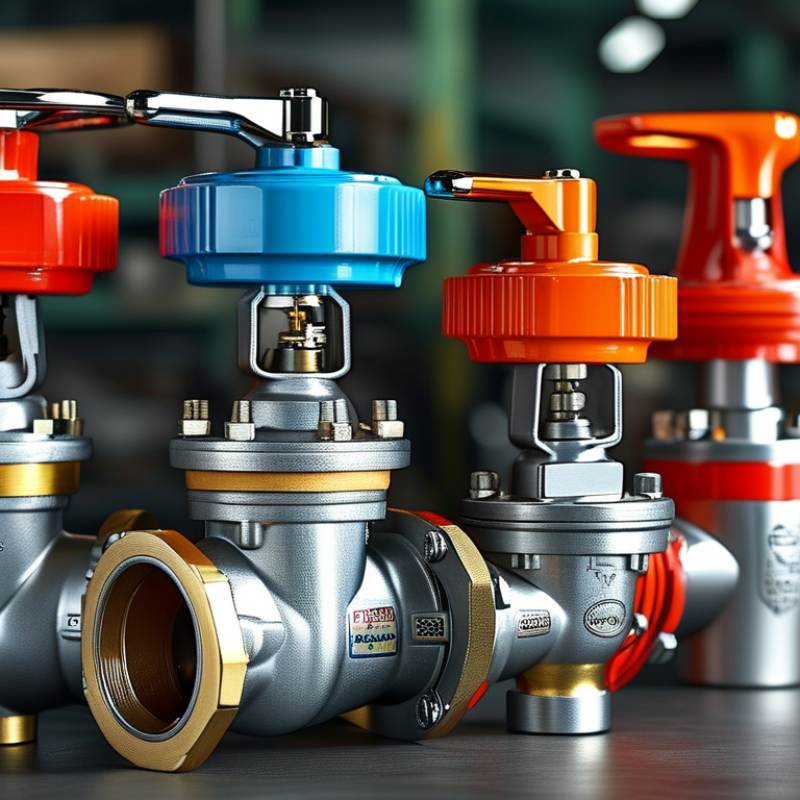
When it comes to gas shut-off valves, understanding the various types is crucial for efficiency and safety. Generally, there are three main types: manual, automatic, and electric.
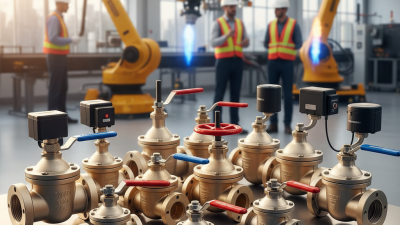
Manual valves require physical turning to shut off gas flow, while automatic valves activate in emergency situations. Electric valves can be controlled remotely, making them ideal for modern setups. According to industry studies, nearly 25% of gas leaks could be prevented with proper use of these valves.
Choosing the right type depends on specific needs. For instance, homes in seismic areas might prefer automatic valves, which close during earthquakes. In contrast, businesses often opt for electric valves because of their convenience. It is essential to prepare for potential future adjustments in your setup, as your needs may change over time.
Tip: Always check local codes and regulations when selecting a valve. This ensures compliance and enhances safety. Additionally, consider the size and pressure ratings when matching a valve to your system. Poorly matched components can lead to leaks or, in the worst case, explosions. Regular maintenance of these valves is also vital. Neglect can lead to unaccounted weaknesses that may fail at critical moments.
Key Factors to Consider When Selecting a Gas Shut Off Valve
When selecting a gas shut off valve, it’s crucial to understand the specific requirements of your system. The type of gas being used is a primary factor. Different gases have varying properties, which can affect valve selection. For example, natural gas and propane valves are not interchangeable. Ensure compatibility with your system to avoid future issues.
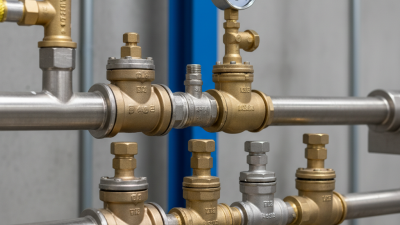
Materials also play a vital role in durability and reliability. Brass and stainless steel are common choices, offering strength and corrosion resistance. Consider the environment where the valve will be placed. Exposure to moisture or extreme temperatures may necessitate a more robust material.
Flow rate is another key consideration. You want a valve that can handle the capacity your system requires without compromising performance. An undersized valve can lead to pressure loss. Pay attention to the valve’s ratings and specifications to make an informed decision. While you may aim for the most economical option, investing in a quality valve can prevent costly repairs down the road.
Gas Shut Off Valve Types and Their Applications
Evaluating Your Specific Needs for a Gas Shut Off Valve
When selecting a gas shut off valve, it’s crucial to evaluate your specific needs. This decision can significantly impact safety and efficiency. Consider the type of gas you are working with. Natural gas has a different pressure and flow requirement than propane. According to the American Gas Association, over 70 million homes in the U.S. use natural gas. Understanding the gas type helps in choosing the right valve.
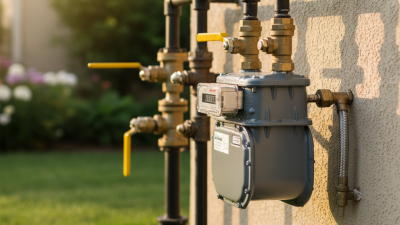
Next, you should consider the valve's location. Easy accessibility is key for emergencies. Local building codes may dictate requirements for shut off valves, especially in residential areas. A study by the National Fire Protection Association underscores the importance of accessible shut off valves in reducing emergency response times. The size of the valve is another critical factor. An improperly sized valve can lead to restricted flow or pressure issues, jeopardizing safety.
Installation standards matter too. The Valve Manufacturers Association provides guidelines that emphasize proper installation techniques, which are essential for functionality. Many homes overlook these standards. Consult a professional if you're unsure. A detailed inspection can point out necessary upgrades or maintenance, preventing future hazards. Each choice influences safety and performance, demanding careful thought and consideration.
Installation Requirements and Professional Recommendations
When selecting the right gas shut off valve, understanding installation requirements is crucial. A valve that meets safety standards is vital for any gas system. Proper installation ensures that the valve functions efficiently. It is essential to follow the manufacturer's guidelines carefully during this process.
Tips: Always use the correct tools for installation. Ensure that you have the right fittings and sealants. This can prevent leaks and avoid future issues. Inspect the installation area for any potential obstructions.
Professional recommendations vary, but experts agree on a few key points. The size of the valve must match the gas line diameter. Additionally, the material of the valve should be suitable for the type of gas being used. Common materials include brass and stainless steel. However, using inferior materials could lead to malfunctions over time.
Tips: Consult with a licensed professional if unsure. Incorrect installations can be dangerous. Regular maintenance and inspections can catch potential problems before they worsen. It's wise to stay informed about the latest safety standards.
How to Choose the Right Gas Shut Off Valve for Your Needs? - Installation Requirements and Professional Recommendations
| Valve Type |
Material |
Pressure Rating |
Size (Inches) |
Installation Requirement |
Professional Recommendation |
| Ball Valve |
Brass |
600 PSI |
1/2" to 4" |
Minimal Tools Required |
Highly Recommended for Residential Use |
| Gate Valve |
Stainless Steel |
300 PSI |
1" to 10" |
Welding Required |
Best for High Flow Applications |
| Globe Valve |
Cast Iron |
350 PSI |
3/4" to 8" |
Requires Skilled Labor |
Good for Throttling Service |
| Check Valve |
PVC |
150 PSI |
1/2" to 6" |
Simple Installation |
Suitable for Wastewater Applications |
Maintenance Tips for Ensuring Optimal Function of Gas Shut Off Valves
Gas shut-off valves play a crucial role in home safety. Regular maintenance is essential for keeping these valves functioning properly. Inspect them frequently for signs of wear or damage. Look for any corrosion or leaks around the valve body. If you notice any irregularities, address them immediately to prevent potential gas leaks.
Lubrication is important, but it should be done carefully. Use a suitable lubricant to ensure smooth operation. However, too much lubricant can attract dirt and debris. A clean, dry surface is ideal for optimal function. It may be worth considering professional servicing every few years. This can help identify
hidden issues that may not be visible during a simple inspection.
Remember, every home setup is different. Make a checklist for routine checks. Document any maintenance performed and observations made. This can aid future maintenance efforts. The goal is safety and reliability.
Stay proactive to ensure your gas shut-off valve meets your needs effectively.