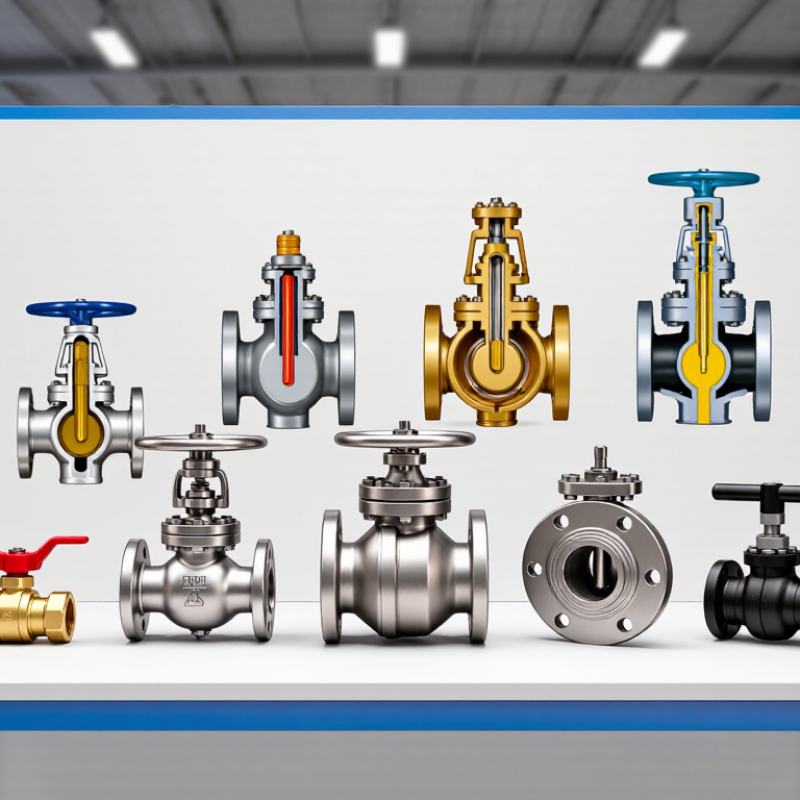
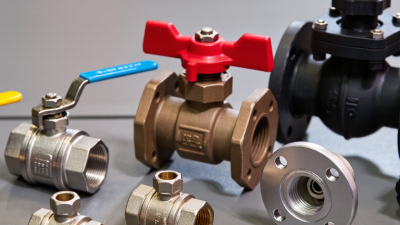
| Ball Valve |
Water, compressed air, natural gas, process fluids, chemicals, and general utility isolation. |
Commonly used from low pressure up to ASME Class 600 or higher, depending on design; typical service temperatures range from approximately −196°C to +200°C, depending on body, seat, and seal materials. |
Quarter-turn
Low pressure loss
Fast operation
Tight shut-off
|
Not normally preferred for throttling; soft seats can be damaged by abrasive, high-temperature, or contaminated media. |
ASME B16.34 for pressure-temperature ratings and construction; API 608 for metal ball valves; ISO 17292 for metallic ball valves; API 598, ISO 5208, or EN 12266-1 for pressure and leakage testing. |
Fire-safe designs may use API 607 or API 6FA; potable-water contact may require NSF/ANSI/CAN 61, WRAS, ACS, or an applicable national approval; hazardous-area actuators may require ATEX or IECEx. |
Install with the correct flow direction where specified; keep the ball fully open or fully closed during normal service; support heavy valves and actuators; flush piping before operation; verify stem and actuator clearance. |
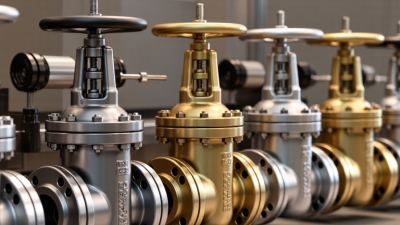
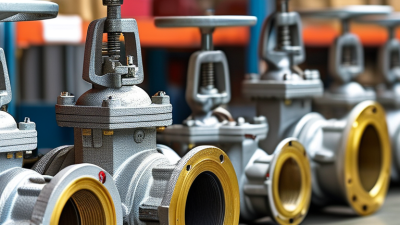
| Gate Valve |
Pipeline isolation for water, wastewater, oil, gas, steam, and other services where infrequent operation is expected. |
Available across low to very high pressure classes, including ASME Class 150–2500 designs; temperature capability depends on trim, packing, and body materials and may exceed 500°C in suitable metal-seated designs. |
Full-bore flow
Low pressure loss
Bidirectional isolation
Large size availability
|
Slow to operate; unsuitable for regular throttling; wedge and seat surfaces may be damaged by vibration, high velocity, or partially open operation. |
API 600 for bolted-bonnet steel gate valves; API 602 for compact steel gate valves; API 603 for corrosion-resistant bolted-bonnet gate valves; EN 1074-2 for water-supply gate valves; API 598, ISO 5208, or EN 12266-1 for testing. |
Potable-water valves may require NSF/ANSI/CAN 61, WRAS, ACS, or equivalent local approval; pipeline valves may be specified to API 6D; fugitive-emission requirements may reference ISO 15848-1 or API 624. |
Install with the stem orientation recommended by the manufacturer; provide sufficient space for full stem travel; avoid using the valve as a pipe support; open and close slowly to reduce water hammer; protect buried installations against soil and corrosion. |
| Globe Valve |
Isolation combined with flow regulation for steam, water, thermal oil, gases, and process systems. |
Common in moderate to high pressure and temperature services; suitable limits depend strongly on trim design, body material, and packing system. |
Good throttling control
Reliable shut-off
Wide trim selection
Maintainable
|
Higher pressure drop than ball or gate valves; larger and heavier for the same nominal size; flow direction is normally important. |
ASME B16.34 for industrial valve requirements; BS 1873 for steel globe and globe-stop-check valves; EN 13709 for steel globe valves; API 598, ISO 5208, or EN 12266-1 for testing. |
Steam and high-temperature services may require material documentation and pressure-equipment compliance; PED 2014/68/EU may apply in the European Economic Area; fire-safe or fugitive-emission compliance is application-specific. |
Install according to the marked flow direction, commonly under the plug for many services; ensure the actuator can be accessed; use bypass arrangements where required for large pressure differentials; avoid excessive throttling near the seat. |
| Butterfly Valve |
Large-diameter water, wastewater, HVAC, fire protection, air, gas, and low-to-medium pressure process lines. |
Commonly used through ASME Class 150 or PN 10–25; high-performance and triple-offset designs can reach higher pressure and temperature ratings; elastomer-lined types have more limited temperature ranges. |
Lightweight
Compact
Low cost per size
Quarter-turn
|
Disc remains in the flow path; seat and liner materials can limit temperature, chemical compatibility, and vacuum service; not every design provides bubble-tight shut-off in both directions. |
API 609 for butterfly valves; EN 593 for industrial metallic butterfly valves; AWWA C504 or C516 for applicable waterworks designs; EN 1074-2 for water-supply isolation valves; ISO 5208 or EN 12266-1 for testing. |
Fire-protection use may require certification to the applicable fire-service approval scheme; potable-water contact may require NSF/ANSI/CAN 61, WRAS, ACS, or local approval; actuators in explosive atmospheres may require ATEX or IECEx. |
Use compatible flange standards, bolt patterns, and gasket dimensions; center the disc before tightening; confirm disc clearance through the full travel; install with proper pipe alignment; avoid forcing the disc against debris or a closed downstream obstruction. |
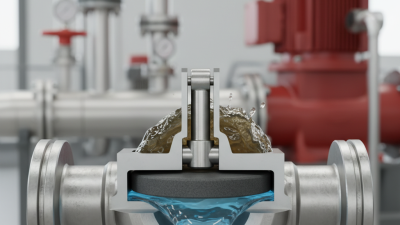
| Check Valve |
Automatic prevention of reverse flow in pumps, compressors, water systems, process lines, and discharge pipelines. |
Pressure and temperature ratings vary widely by swing, lift, dual-plate, axial, or wafer design; select based on system pressure, velocity, and transient conditions. |
Automatic operation
Backflow prevention
Low maintenance
Compact options
|
Not a positive manual shut-off valve; can slam or create water hammer if incorrectly selected; minimum flow may be necessary for stable operation. |
API 594 for wafer, wafer-lug, and double-flanged check valves; API 6D for pipeline check valves; EN 12334 for industrial check valves; AWWA C508 for applicable waterworks check valves; ISO 5208 or EN 12266-1 for testing. |
Backflow-prevention assemblies may require local plumbing or public-health approval; potable-water materials may require NSF/ANSI/CAN 61 or equivalent; fire-protection systems may require the applicable listing or approval. |
Install in the marked flow direction; maintain the required straight pipe and orientation for the selected design; place near pumps where appropriate; check closing speed and pressure surges; provide access for inspection and cleaning. |
| Plug Valve |
Oil, gas, wastewater, slurry, and process isolation where a robust quarter-turn mechanism is preferred. |
Available in lubricated and non-lubricated configurations across low to high pressure classes; temperature limits depend on plug, seal, lubricant, and body materials. |
Quarter-turn
High flow capacity
Suitable for dirty media
Bidirectional options
|
Operating torque may be high; lubricated types require a compatible maintenance program; throttling can accelerate wear and create flow turbulence. |
API 6D for pipeline plug valves; API 599 for metallic plug valves; API มาต? 6FA may apply to fire-tested designs; ISO 5208, API 598, or EN 12266-1 for pressure and leakage testing. |
Fire-safe designs may require API 6FA or API 607; hazardous-area accessories may require ATEX or IECEx; pressure equipment placed on the European market may fall under PED 2014/68/EU. |
Confirm the required orientation and actuator torque; provide adequate clearance for the handle or actuator; use compatible lubricant where specified; flush abrasive or solid-laden piping before commissioning; do not exceed the stated operating frequency. |
| Diaphragm Valve |
Corrosive chemicals, ultrapure water, pharmaceutical processes, food processing, slurry, and sanitary services. |
Usually selected for low to medium pressure; temperature is limited by the diaphragm and lining material, with fluoropolymer and elastomer choices providing different chemical and thermal resistance. |
Media isolation
Leak-resistant stem
Good for corrosives
Easy cleaning
|
Diaphragm is a wear component; lower pressure and size range than many metal-seated valves; unsuitable for some high-temperature or high-vacuum duties. |
EN 13397 for industrial diaphragm valves; ASME BPE may apply to bioprocessing and hygienic installations; ISO 5208 or EN 12266-1 may be used where the valve design falls within the relevant test scope. |
Food or pharmaceutical applications may require hygienic design documentation and applicable material declarations; wetted materials may require FDA-related compliance, EC 1935/2004, or local food-contact requirements. |
Install in the specified orientation, especially for weir-type designs; prevent over-tightening; use compatible gaskets and liners; protect the diaphragm from sharp solids and excessive pressure differentials; plan periodic diaphragm inspection. |
| Needle Valve |
Fine adjustment and isolation of small instrument, gauge, sampling, and control lines. |
Often available for high pressure instrumentation service; actual limits depend on tube connection, body material, stem tip, and seal design. |
Precise adjustment
Compact
High-pressure options
Low flow control
|
High pressure loss; slow operation; not suitable for large flow rates or rapid emergency shut-off. |
ASME B16.34 may apply to pressure-containing industrial designs; MSS SP-99 covers instrument valves; ISO 5208 or the applicable manufacturer test procedure may be used for pressure and leakage testing. |
Material traceability may be required for critical instrumentation; hazardous-area installations may require ATEX or IECEx for attached electrical components; pressure equipment rules may apply according to jurisdiction. |
Use the correct tubing or threaded connection standard; install without twisting instrument tubing; orient for access and drainage; tighten to the specified torque; verify compatibility with calibration, impulse-line, and sampling requirements. |
| Knife Gate Valve |
Slurry, pulp and paper, mining, wastewater, dry bulk, and media containing suspended solids. |
Generally selected for low to medium pressure; temperature and pressure capability depend on seat configuration, gate material, and body design. |
Handles solids
Full port options
Compact face-to-face
Large sizes
|
Not normally intended for high-pressure throttling; seat and gate wear can be significant in abrasive service; leakage performance varies by design. |
MSS SP-81 for industrial knife gate valves; EN 1171 may apply to certain cast-iron industrial gate valves; ISO 5208 or EN 12266-1 may be used for applicable pressure and leakage tests. |
Wastewater, mining, or slurry service usually requires project-specific material and leakage requirements; potable-water use requires confirmation of applicable drinking-water approvals and elastomer compliance. |
Install according to the flow and orientation limitations of the selected design; provide adequate actuator support; prevent solids from packing around the gate; use flushing or drain arrangements where needed; allow access for seat replacement. |
| Safety or Relief Valve |
Overpressure protection for pressure vessels, boilers, pipelines, pumps, and process equipment; it is not a routine manual shut-off valve. |
Set pressure and capacity must be calculated for the protected equipment; temperature, back pressure, and relieving medium determine the final selection. |
Automatic protection
Code-based sizing
Protects equipment
Multiple media options
|
Requires certified sizing and set-pressure control; discharge can be hazardous; incorrect isolation arrangements can defeat the protection system. |
ASME Section VIII for pressure-vessel relief requirements; API 520 and API 521 for sizing, selection, and installation guidance; ISO 4126 for safety devices; EN ISO 4126 for applicable European requirements. |
PED 2014/68/EU may apply in Europe; ASME certification may be required for certain pressure equipment jurisdictions; local boiler, pressure-vessel, and inspection authorities may impose additional requirements. |
Discharge piping must be independently supported and sized for capacity; avoid unapproved restrictions; provide drains where condensate can collect; keep isolation valves locked or administratively controlled in the required position; test and document set pressure. |