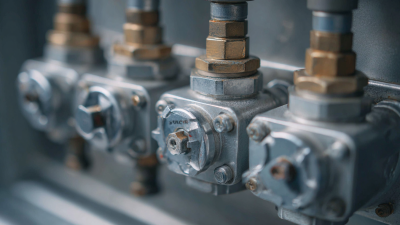
How to Choose the Right Natural Gas Valve
Choosing the right natural gas valve is a practical safety decision, not just a matter of matching pipe size. The valve must suit the appliance, gas type, operating pressure, and expected flow. A mismatch can cause poor performance or create a serious hazard. Small details matter.
Start by checking the appliance and system specifications. Confirm the required pressure range, connection type, valve size, and operating temperature. Then review the manufacturer’s product data for compatible gases, materials, and approved uses. A brass body may suit one application, while another requires different materials or a specific seal design. Never assume that two valves with similar dimensions are interchangeable.
The installation environment matters, too. Consider access for shutoff, exposure to moisture or heat, and how often the valve may need servicing. It is easy to focus on price and overlook these details. That can be a costly assumption. Certification and applicable local requirements should also guide the choice; confirm them with reliable documentation or a qualified professional. If specifications are unclear, pause and ask the manufacturer or a licensed gas technician rather than guessing. The best choice is the one that fits the system, has traceable technical information, and can be installed and maintained safely. There is no universal answer. A careful review now helps avoid preventable problems later.
Identify the Application and Operating Requirements
Before selecting a natural gas valve, define its exact job in the system. A valve serving an appliance branch may face different flow demands than one controlling a main supply line. Record the expected inlet and outlet pressures, normal flow rate, and acceptable pressure drop. Include minimum and maximum operating temperatures, not just typical conditions. These figures help determine the valve’s size, pressure rating, and suitable materials. Small details matter. A valve that fits the pipe may still restrict flow or fail to seal as intended.
Consider how the valve will operate and what happens during a fault. Is manual shutoff sufficient, or does the system require automatic actuation? Specify the needed shutoff performance and how often the valve will cycle. Check whether the connection type, body materials, and seals suit the gas and installation environment, including moisture or outdoor exposure. That assumption can fail. Real operating conditions may differ from a neat design estimate, so verify requirements against equipment documentation and measured site conditions. Have a qualified gas professional confirm the selection and installation details. Ask what pressure and flow conditions the valve will actually experience.
Compare Natural Gas Valve Types and Their Functions
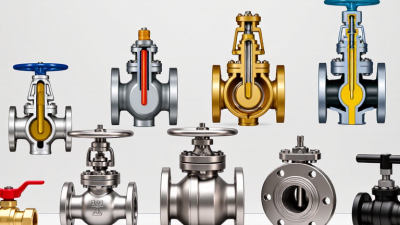
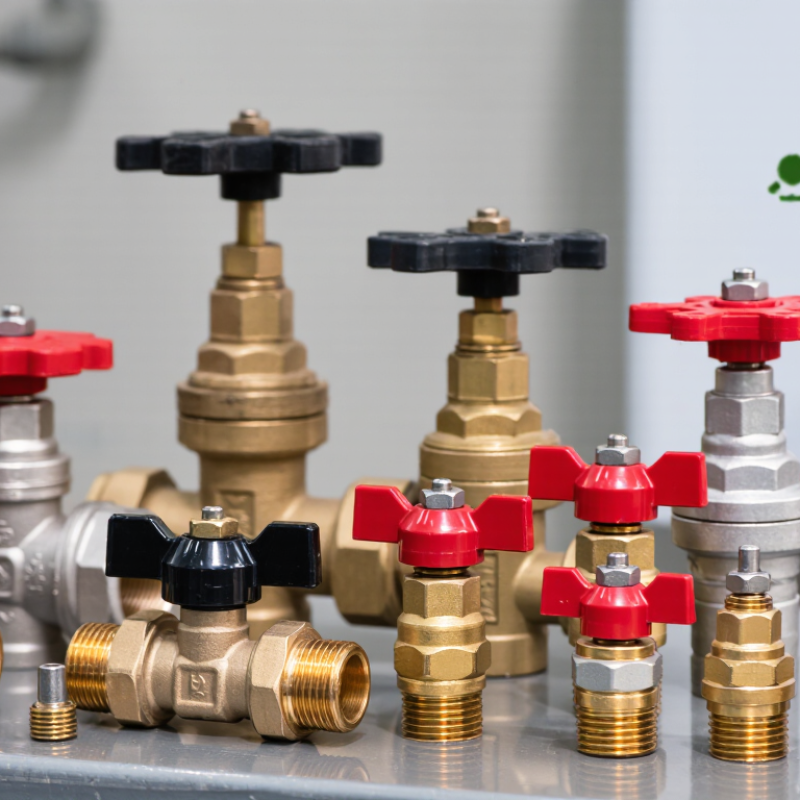
Natural gas valves serve different jobs, even when their bodies look similar. A manual shutoff valve isolates a pipe or appliance for servicing. Quarter-turn ball valves are common because the handle gives a quick visual clue: parallel to the pipe usually means open, while perpendicular usually means closed. Always confirm the markings and product instructions. Small details matter.
Plug valves also provide manual shutoff, often with a quarter-turn handle. Gate valves use a rising or turning stem to move an internal gate; they are generally suited to isolation rather than frequent operation. For a gas range or furnace, an appliance shutoff valve should match the fuel, pressure, pipe size, and connection. The correct choice is not always obvious from a photo. I would not guess by appearance alone.
A solenoid valve opens or closes automatically when an electrical control signals it, such as in certain heating systems. A pressure regulator serves a different purpose: it reduces or maintains gas pressure, but does not replace a shutoff valve. Check the valve’s gas-service rating and applicable local requirements. A qualified gas professional can verify compatibility and installation; leaks or uncertain fittings need prompt attention. The names can be confusing. That part deserves a second look.
Evaluate Materials, Pressure Ratings, and Gas Compatibility
A reliable natural gas valve starts with the actual gas composition, not just the pipe size.
Carbon steel suits many conventional gas services, while stainless steel may be preferable where moisture or corrosive contaminants are present. Check the body, trim, stem, and seals separately; a compatible metal body does not guarantee compatible seals. Methane, odorants, water, and trace hydrogen sulfide can affect materials differently. Small details matter.
Pressure ratings need equal care.
ASME B16.34-2020 assigns pressure-temperature ratings by material group and class, with allowable pressure changing as operating temperature rises. Compare the valve’s rating at the highest expected temperature with the system’s maximum pressure, including startup or upset conditions. Do not treat a class number as a pressure value. That shortcut is easy to make, and worth questioning.
Gas compatibility also includes leakage performance.
The IEA’s Global Methane Tracker 2024 estimates that fossil fuel operations emitted nearly 120 million tonnes of methane in 2023, reinforcing the value of sound sealing and maintenance.
For sour service, check whether materials meet applicable requirements such as ISO 15156; for elastomers, request documented compatibility with the specific gas blend and temperature range. A datasheet may omit a key detail. Ask for it before selection.
Check Safety Standards and System Connections
Choosing a natural gas valve begins with its safety rating and the exact connection it must serve. Check the valve’s pressure and temperature range, gas compatibility, flow direction, and certification against the applicable product standard. NFPA 54, the National Fuel Gas Code, is a key U.S. reference for fuel-gas installation requirements. Local rules may differ. The U.S. Energy Information Administration’s Natural Gas Annual reports consumption of about 32.5 trillion cubic feet in 2023. Scale matters. A mismatched valve can turn a routine replacement into a leak risk.
Compare the pipe material, nominal size, thread type, and operating pressure before ordering. NPT threads and flare connections are not interchangeable; forcing a fit can damage sealing surfaces. Check that the shutoff handle remains reachable and that any flow-direction arrow matches the system. Small details matter. Product markings should identify the intended gas and relevant approvals, not just a size. I would also verify the connector and valve as a compatible assembly, rather than assuming separate parts will seal correctly. That assumption is easy to make. It is not a pressure test. Have a qualified gas professional confirm the selection, installation, and leak test under the applicable code.
How to Choose the Right Natural Gas Valve: Check Safety Standards and System Connections
Compare nominal pipe sizes with the standardized outside diameter of steel pipe. Use the chart as a sizing reference, then confirm the valve’s connection type, pressure rating, and applicable safety approval for your system.
Important: Nominal pipe size is not the actual outside diameter. These dimensions are for steel pipe; they do not establish valve compatibility. Check the end connection (such as NPT or flanged), system specifications, and local requirements. For appliance manual gas valves in North America, verify the applicable listing, such as ANSI Z21.15/CSA 9.1.
Steel pipe outside-diameter values: ASME B36.10M standard dimensions.
Select Installation and Maintenance Requirements
How to Choose the Right Natural Gas Valve
Select Installation and Maintenance Requirements
A suitable valve must match the system’s gas type, operating pressure, flow needs, temperature range, and pipe connection. Check the valve’s rated specifications against the equipment documents, rather than relying on appearance or nominal pipe size alone. Materials also matter: moisture, outdoor exposure, and corrosive conditions can affect long-term performance. Fit matters.
Plan for installation access before choosing a location. The valve should remain reachable for inspection and emergency shutoff, with enough room for tools and connected piping. A common planning miss is focusing on the valve itself while overlooking nearby walls, appliances, or cramped enclosures. Clearances and support requirements depend on the system and applicable local codes.
Have a qualified gas technician install the valve and verify the completed connection using approved leak-testing methods. Never use a flame to check for leaks. For maintenance, follow the valve maker’s instructions and the equipment service schedule. Inspect for corrosion, damage, loose supports, or signs of leakage, and arrange prompt professional attention if anything seems wrong. Keep records. Dates and inspection notes help reveal recurring issues, though they can be easy to neglect. Regular checks are useful, but they do not replace a proper installation or professional assessment.