How to Choose the Right Gas Shut Off Valve for Your Needs?
Choosing the right gas shut off valve is crucial for safety and efficiency in any gas installation. A gas shut off valve acts as a critical control point. It allows you to stop the gas flow when necessary, ensuring that you can prevent potential hazards. Understanding the different types of valves helps make an informed decision.
Many factors influence the choice of a gas shut off valve. Consider the pressure ratings, materials, and size. Sometimes, people overlook these details, leading to improper installations. An incorrectly chosen valve may not effectively stop gas flow, posing risks. Experts recommend consulting with a professional for guidance.
It’s also essential to consider the valve's purpose. Is it for residential or commercial use? Each has unique requirements. A reliable gas shut off valve can save lives, yet many are unaware of its importance. With the right knowledge, you can ensure safety and reliability in your gas systems.
Understanding the Types of Gas Shut Off Valves Available in the Market
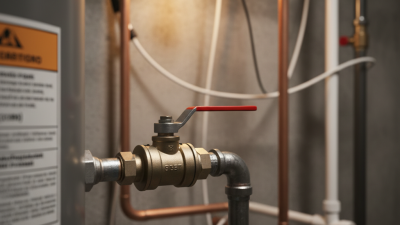
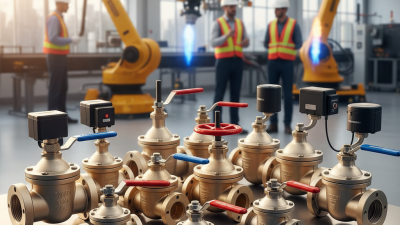
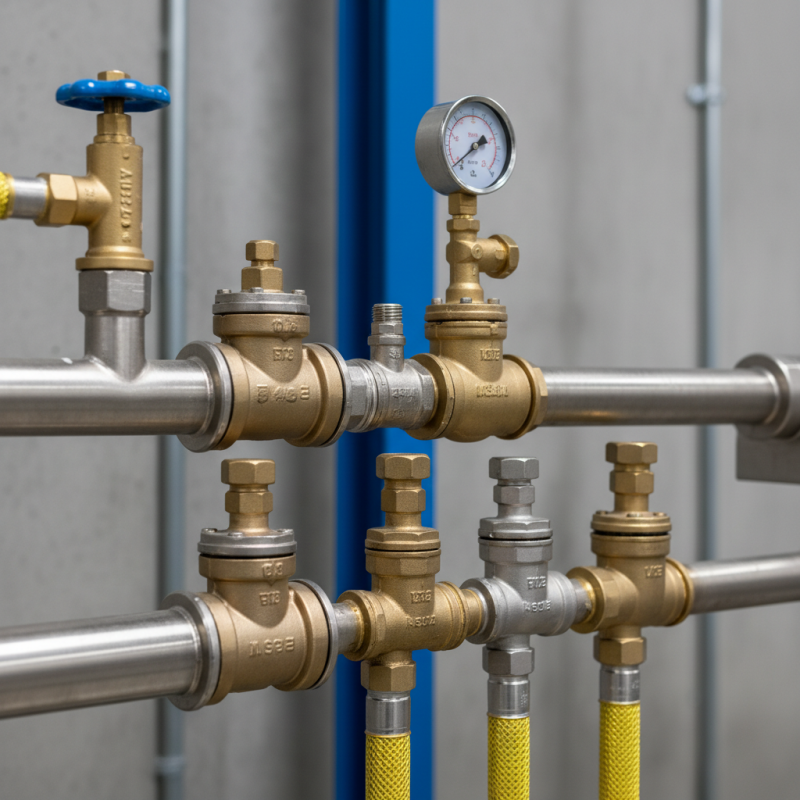
When choosing a gas shut off valve, understanding the types available is crucial. Gas shut off valves are essential in ensuring safety and control over gas lines in residential and commercial setups. There are generally two main types: manual and automatic. Manual valves require physical operation to shut off the gas flow, whereas automatic valves can detect leaks and perform the shutdown automatically.
According to the National Fire Protection Association (NFPA), improper valve selection contributes to around 20% of gas-related incidents. It is important to assess the specific needs of your system. Consider factors such as pressure ratings, pipe sizes, and the type of gas used. For instance, natural gas and propane might necessitate different valve specifications due to varying properties and pressures.
Moreover, installation practices can significantly affect the effectiveness of gas shut off valves. A 2020 report by the American Gas Association emphasizes the need for regular inspections and proper installation techniques. Many users overlook manual operation procedures, leading to delays in emergencies. Additionally, understanding local codes and regulations can be complex and varies significantly. It’s wise to seek advice from gas professionals to ensure compliance and safety.
Assessing Your Specific Needs for a Gas Shut Off Valve
When selecting a gas shut off valve, it is crucial to assess your specific needs. First, consider the type of gas you are using. Different gases require distinct valve types. For instance, natural gas and propane have different pressure requirements. Understand the safety standards relevant to your area as well. Check local codes to ensure compliance.
Next, think about the installation environment. Is it in an indoor or outdoor setting? Indoor valves should be resistant to corrosion and have a secure seal to prevent leaks. Outdoor valves may need additional weather resistance. Size also matters; measure the pipe diameter to ensure a proper fit. An incorrectly sized valve can lead to dangerous leaks.
You might feel overwhelmed by the various options available. Consulting with an expert can provide clarity. A conversation can help identify your specific needs and assess risks. Additionally, many people overlook regular maintenance. Regular checks can prevent future issues. Reflect on your current setup and its vulnerabilities. Make informed choices to enhance safety and functionality.
How to Choose the Right Gas Shut Off Valve for Your Needs?
| Valve Type |
Pipe Size |
Material |
Pressure Rating |
Operation Type |
| Manual |
1/2 inch |
Brass |
WOG 150 |
Turn |
| Automatic |
3/4 inch |
Steel |
WOG 200 |
Solenoid |
| Electric |
1 inch |
PVC |
WOG 150 |
Electric Actuator |
| Ball Valve |
2 inch |
Stainless Steel |
WOG 400 |
Lever |
Factors to Consider When Choosing a Gas Shut Off Valve
When selecting a gas shut off valve, understanding key factors is essential. Begin by considering the valve's size. It must match your gas line's diameter. A mismatch could result in leaks or inefficient gas flow. Additionally, the type of gas being used influences your choice. Different gases require specific materials to prevent corrosion or degradation.
Next, assess the valve's pressure rating. This rating must align with your system's requirements. A valve rated lower than the system's pressure could fail. Look for valves that meet safety standards, as this ensures reliability. Another important factor is ease of operation. Some valves require tools for closure, while others use a simple manual mechanism. Consider how easy it is to access your valve for emergency situations.
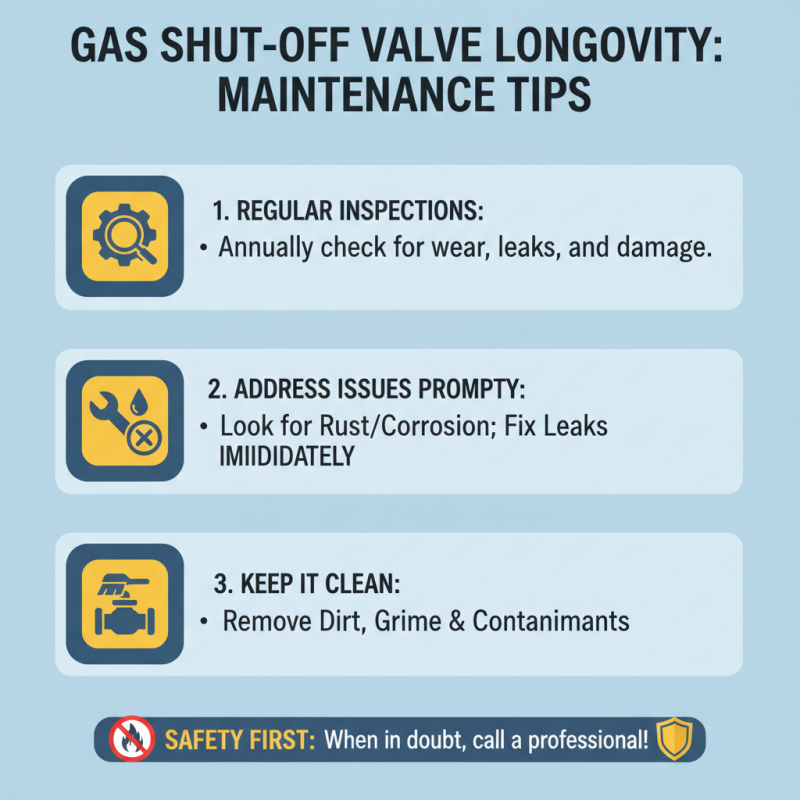
Lastly, inspect the installation environment. Valves exposed to extreme temperatures or moisture need additional protection. Choosing the wrong valve for your environment can lead to costly repairs. It is often overlooked, yet equally important to consider maintenance needs. Regular maintenance prevents wear and prolongs the valve's life. Each of these factors plays a critical role in making the right choice.
Installation Requirements for Different Gas Shut Off Valves
When selecting a gas shut off valve, understanding installation requirements is crucial. Different valves serve various applications. They can be manual or automatic. Each type has specific installation needs based on their designs. For instance, manual valves must be easily accessible for quick operation. Automatic valves may require electrical connections for proper functionality.
According to the National Fire Protection Association (NFPA), proper installation can prevent up to 70% of potential gas leak incidents. This highlights the importance of adhering to manufacturer guidelines and local building codes. Installing the valve at the correct location is vital. The valve should be installed upstream of appliances but downstream of the meter. Placing it incorrectly can complicate maintenance and emergency responses.
Local regulations can often dictate installation specifics. For example, some jurisdictions may require additional spacing around the valve or specific mounting heights. Failure to meet these requirements can lead to safety hazards and increased liability. Therefore, consulting with a professional during installation ensures compliance and optimal functionality.