
How to Choose the Right Apollo Check Valves?
Choosing the right apollo check valves starts with understanding the system they will protect. A valve that looks suitable on a product page may not fit the actual service conditions. That assumption can be wrong. Before comparing models, identify the fluid, operating pressure, temperature range, flow direction, and pipe connection. These details shape material compatibility and help narrow the available options.
Small differences matter. A spring-loaded design, for example, may behave differently from a swing-style valve, especially where flow is low or space is limited. Check the required cracking pressure and installation orientation against the manufacturer’s documentation. Also consider whether the valve must prevent backflow during frequent start-stop cycles. A mismatch can cause unwanted pressure loss, noise, or unreliable closure. These outcomes depend on the system, so avoid choosing by size alone.
This guide explains the practical questions to ask when evaluating Apollo models. It also shows how to compare body and seal materials, end connections, pressure ratings, and maintenance needs. Use current product data sheets to confirm each specification; names and ranges can vary by model. If operating conditions are uncertain, measure them rather than relying on memory. A qualified engineer or supplier can help review unusual fluids, temperatures, or pressure surges. One detail is easy to miss: the best valve is not always the most elaborate one. It is the option whose documented limits match the job, with enough margin for real operating conditions. Be careful, and verify before ordering.
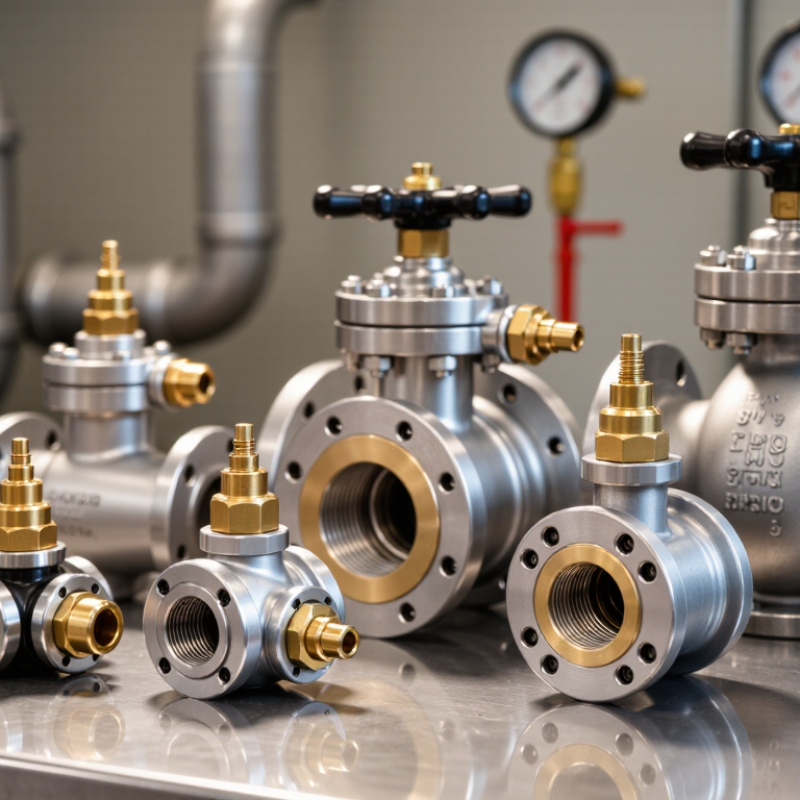
Understand How Apollo Check Valves Prevent Reverse Flow
A check valve lets fluid move in one direction and closes when flow reverses. During normal operation, pressure pushes its disc, ball, or poppet open. When a pump stops, reverse pressure moves the closing element back against its seat. This helps limit backflow, protect equipment, and reduce the risk of a pipe draining unexpectedly. It is a simple action. Yet closure can be noisy or slow if the valve is poorly matched to the system.
Choose a valve by checking the fluid, operating pressure, temperature, flow rate, and pipe size. A spring-assisted model may close faster, while a swing design can suit steady flows with little restriction. Neither choice is automatically right. For example, a valve near a pump may need to respond quickly to reduce water hammer. Check the installation direction and available space, too. A small mismatch can cause chatter, leakage, or frequent maintenance.
Tips: Confirm the flow arrow before installation. Keep the valve accessible for inspection, and follow the manufacturer’s pressure and temperature limits. If backflow continues, inspect the seat for debris or wear. It is easy to blame the valve, but system pressure and placement may be part of the problem.
| Check Valve Type | How It Prevents Reverse Flow | Commonly Suited Conditions | Key Considerations | Before Selecting |
|---|---|---|---|---|
| Swing check valve | Forward flow swings a hinged disc open. Reverse flow and gravity move the disc back onto its seat. | Full-bore pipeline service with relatively steady flow and enough space for the disc to move. | Often has a relatively low pressure drop when fully open. Rapid flow reversal can cause disc slam; performance depends on flow velocity and installation. | Check the required flow direction, permitted mounting orientation, closing behavior, and risk of water hammer. |
| Lift check valve | Forward pressure lifts a guided disc or piston from its seat; reverse pressure pushes it back onto the seat. | Applications where a guided closing element is appropriate, including some higher-pressure services. | Usually requires sufficient pressure to lift the disc and may have a higher pressure drop than a full-bore swing design. Orientation requirements vary by design. | Confirm the valve’s approved orientation, cracking pressure, pressure and temperature ratings, and fluid cleanliness requirements. |
| Dual-plate check valve | Flow opens two hinged plates; springs and reverse pressure return the plates toward the closed position. | Space-conscious installations where a wafer-style body and relatively lightweight closing elements are useful. | Compact construction can simplify installation between flanges. Spring and plate design affect pressure drop, closure, and suitability for the fluid. | Verify flange compatibility, face-to-face space, spring configuration, flow direction, and any restrictions on solids or viscosity. |
| Spring-assisted axial or silent check valve | Forward flow moves an axial disc against a spring; the spring helps return it toward the seat as flow slows or reverses. | Systems where controlled, rapid closure is desired, such as some pump discharge lines. | Spring-assisted closure can reduce the likelihood of slam, but it does not guarantee that water hammer will be eliminated. Correct sizing is important. | Review the manufacturer’s flow range, pressure drop, spring selection, installation requirements, and system transient conditions. |
| Ball check valve | Forward flow moves a ball away from the seat; reverse pressure returns the ball to the seat to block backflow. | Selected liquid services, including some systems where a simple moving element is preferred. | Ball and seat materials must suit the fluid. Debris, scale, or unsuitable viscosity can interfere with movement or sealing. | Check fluid compatibility, solids content, installation orientation, cracking pressure, and the required sealing performance. |
Selection note: A check valve permits flow in one direction and closes when flow reverses. Confirm the operating pressure, temperature, fluid properties, flow rate, installation orientation, connection type, and applicable piping requirements against the valve documentation.
Related Posts
-
Best Apollo Check Valves from China for Global Buyers?
-
What Are the Best Ball Valve Manufacturers in China?
-
What is a Gas Shut Off Valve and How Does It Work?
-
Understanding the Importance of Shut Off Valves in Home Plumbing Systems: A Comprehensive Guide
-
7 Tips for Choosing the Right Recirculation Valve?
-
How to choose the right saunders valves for your projects?