Who Are the China Top 10 Globe Valve Manufacturers?
Selecting a globe valve supplier is not just a price comparison. The right choice depends on operating pressure, temperature, fluid, and maintenance needs. A valve used for steam service may require different materials and trim than one handling clean water. Small differences can matter.
This guide introduces ten China-based manufacturers for buyers to research. It is a starting point, not an endorsement or a verified ranking. Company capabilities, product ranges, and export experience can change, so confirm current details directly with each supplier. That matters.
When comparing manufacturers, look beyond catalog photos. Ask for material specifications, pressure ratings, seat-leakage criteria, inspection records, and traceability documents. Check whether the offered body, stem, disc, and seat match your service conditions. For a project involving frequent throttling, discuss erosion and control performance with the manufacturer. Details matter.
A polished brochure is useful, but it cannot replace technical review. Request drawings and test documentation, and clarify lead times, spare parts, and after-sales support before placing an order. If a claim seems broad, ask what evidence supports it. Still, verify. The list ahead can help narrow your search, but final selection should follow your engineering requirements and a careful supplier assessment.
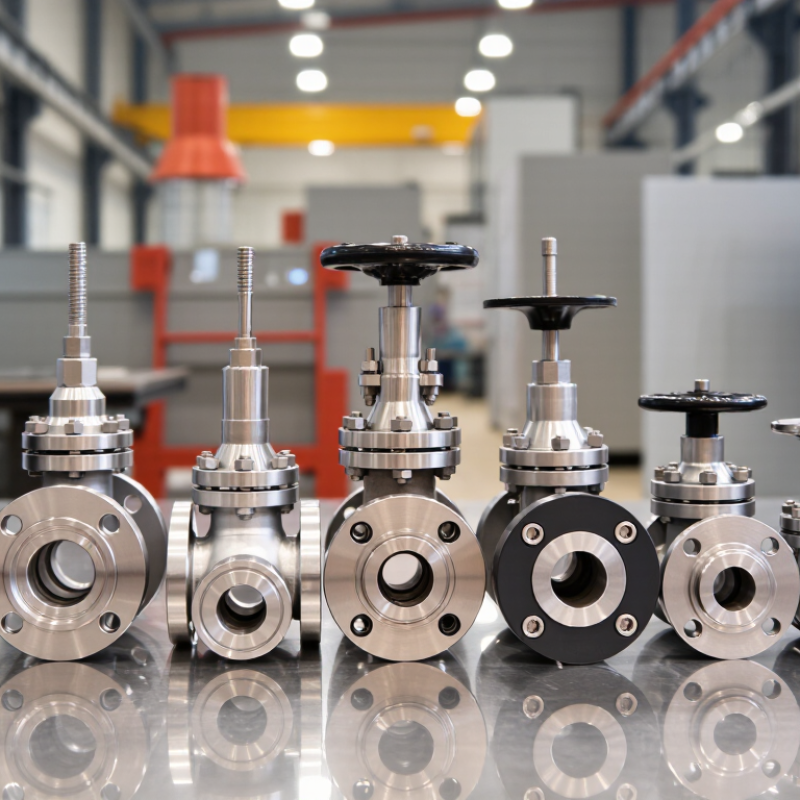
What Is a Globe Valve and Where Is It Used?
A globe valve controls flow with a movable disc that approaches or lifts from a fixed seat.
Unlike a simple on-off valve, it can regulate flow in small, deliberate steps. Picture a steam line: turning the handwheel moves the stem, changing the gap and the amount of steam passing through. The body’s curved flow path helps with control, but also creates more pressure loss than a straight-through design.
That trade-off matters.
Globe valves are common in power plants, chemical processing, water treatment, and heating systems. Operators use them on steam, cooling water, and process-fluid lines where flow needs frequent adjustment. The International Energy Agency’s World Energy Investment 2024 report projected global energy investment above US$3 trillion in 2024, with about US$2 trillion directed to clean energy. Those figures show the scale of energy infrastructure, not globe-valve sales; the distinction matters. A valve’s suitability still depends on pressure, temperature, fluid properties, and required control accuracy. I would not specify one by habit. A poor choice can waste energy through excessive pressure drop, and real service conditions are sometimes less tidy than a design sheet suggests.
How Are China’s Leading Globe Valve Manufacturers Identified?
Identifying China’s leading globe valve manufacturers requires more than comparing catalogues or export figures. Buyers should examine engineering capability, production consistency, and documented quality controls. A credible assessment looks at pressure and temperature ranges, body and trim materials, sealing design, and the intended service conditions. Specifications should be clear enough to compare, not just impressive on paper.
Ask how each manufacturer verifies performance. Useful evidence may include test procedures, inspection records, material traceability, and relevant quality certifications. Check whether testing covers shell strength, seat leakage, and operation under specified conditions. Factory visits can reveal practical details: machining equipment, assembly areas, calibration tools, and how rejected parts are handled. Small details matter. They often show whether procedures are followed consistently.
Experience also includes responsive technical support and realistic delivery information. Ask for references from comparable applications, while recognizing that one successful project does not prove every product will perform equally well. A shortlist can still miss important differences, especially when buyers rely on polished documents alone. I would treat rankings as a starting point, not a final verdict; supplier data can be incomplete, and independent verification takes time. Keep records of questions, test evidence, and any gaps that need clarification before choosing a manufacturer.
Who Are the Top 10 Globe Valve Manufacturers in China?
China’s top 10 globe valve manufacturers are not defined by one official ranking. The strongest candidates are typically judged by product range, manufacturing controls, documented testing, and performance in the intended service. A maker producing compact valves for water systems may not suit a high-temperature steam line. Application matters.
When comparing suppliers, examine body materials, pressure and temperature ratings, trim options, and end connections. Ask how each valve is inspected and whether test records match the quoted specification. A cutaway drawing can help buyers assess the disc, seat, and flow path. So can a factory audit. Catalog claims alone are not enough.
China has many valve-producing regions and suppliers, but visibility online does not prove production capability. Some companies manufacture in-house; others rely partly on external workshops. That distinction deserves a closer look. Request recent project references, traceability documents, and sample inspection records before treating any “top ten” list as definitive. Rankings can change with product category, delivery needs, and the evidence available.
What Products and Industries Do These Manufacturers Serve?
China’s leading globe-valve manufacturers typically serve power generation, oil and gas, chemicals, water treatment, and general process industries. Their product ranges may include cast- and forged-steel valves, stainless-steel models, bellows-sealed designs, high-pressure units, and control valves. Some suppliers also offer valves for steam, corrosive fluids, or low-temperature service. Materials matter. Selection depends on pressure, temperature, fluid, and required flow control—not just the catalog description.
Demand across these sectors reflects major infrastructure needs, though investment figures do not measure valve sales directly. The International Energy Agency’s World Energy Investment 2024 report projected more than US$3 trillion in global energy investment for 2024, including about US$2 trillion for clean energy. Water infrastructure is another significant application: the WHO/UNICEF Joint Monitoring Programme reported that 2.2 billion people lacked safely managed drinking water in 2022. Globe valves can regulate flow in treatment plants and utility systems, but they are not ideal for every duty. That detail is easy to miss. Buyers should check pressure-loss limits, trim materials, testing records, and whether the supplier can document performance under the stated operating conditions.