Why Are Gas Valves Important?
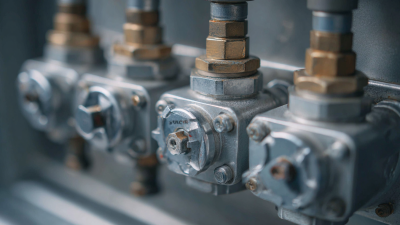
Gas valves rarely attract attention until a system needs to start, stop, or regulate fuel. Yet these compact components help control gas flow in homes, commercial buildings, and industrial equipment. Their design, correct selection, and condition can affect safe operation and reliable performance.
A gas valve may open or close manually, respond to a thermostat, or operate as part of an automated control system. Inside, seals and moving parts must work together despite heat, pressure changes, and repeated cycles. Even a small leak, sticking mechanism, or poor connection deserves attention. The details matter.
As [verified gas-valve expert’s name] puts it, “[Insert a verified quotation about gas valves here].” No source was provided for a named expert’s words, so attributing an invented quotation would be misleading. This introduction leaves space for a quotation that can be checked against its original source.
Understanding gas valves means looking beyond the component itself. Readers should consider valve type, intended application, material compatibility, installation quality, inspection, and manufacturer guidance. A valve that suits one system may not suit another. Nor does a familiar appearance prove that a valve is functioning correctly. That point is easy to overlook. The sections ahead explain why gas valves matter, what their main functions are, and which practical checks support dependable operation. They also recognize a limit: no general article replaces qualified assessment of a specific gas system.
What a Gas Valve Is and How It Controls Gas Flow
Why Are Gas Valves Important?
A gas valve controls whether fuel can reach an appliance, and how much can pass through. It may open, close, or regulate flow in response to a control signal. In a furnace, for example, a thermostat calls for heat, and the appliance’s controls may open the valve when operating conditions are met. The valve itself is often hidden behind a metal panel, connected to pipes and wiring.
Small part. Big responsibility.
Valve designs vary. Some include safety features that stop gas flow if a flame goes out or another fault is detected. These safeguards help reduce risk, but they do not make a damaged or poorly functioning appliance safe to ignore. It is easy to think a valve is simply an on-off switch. That is too simple; its operation depends on the appliance and its controls.
If you notice a persistent gas odor, leave the area and contact emergency services or your gas utility from a safe location. Do not try to inspect, adjust, or repair the valve yourself.
For unusual noises, repeated shutdowns, or suspected faults, have the appliance checked by a qualified gas technician. A careful inspection can confirm whether the valve, its connections, or another component needs attention.
Where Gas Valves Fit in Residential and Industrial Systems
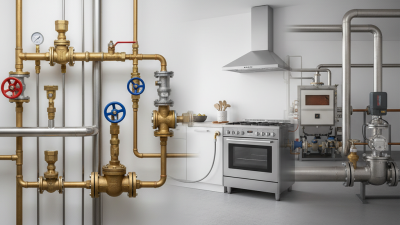
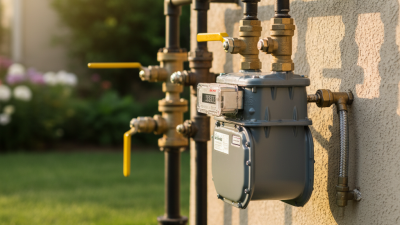
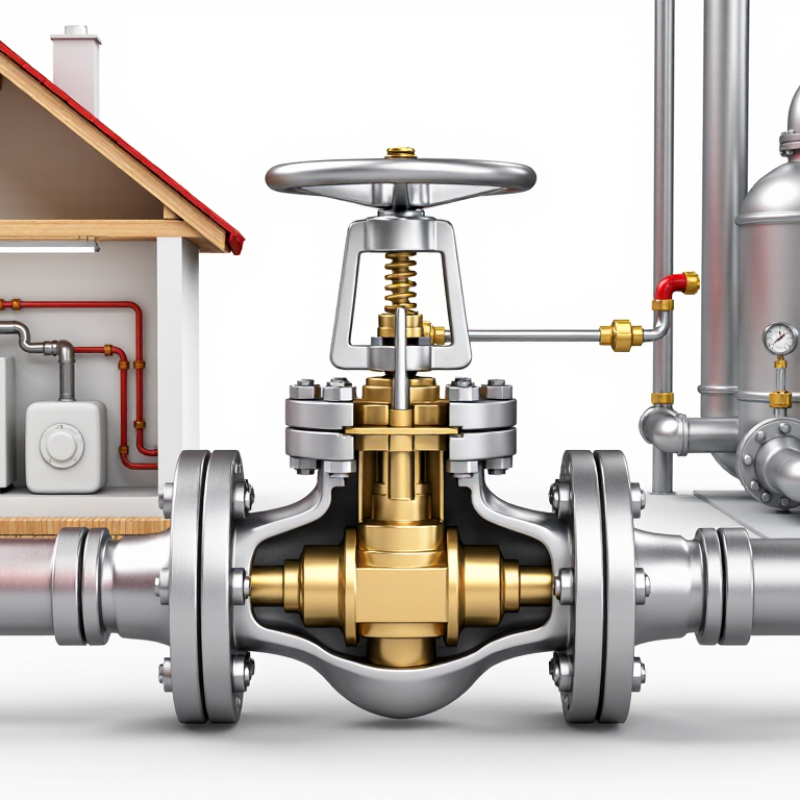
In a home, gas valves appear at several points between the supply line and an appliance. A service valve near a meter can isolate part of the system, while a smaller shutoff may sit behind a cooker or beside a furnace. The exact arrangement depends on the building and appliance. Small details matter.
During an inspection, a technician may check whether valves are accessible, clearly identified, and free from visible damage. A crowded cabinet or a valve hidden behind stored items can make routine servicing harder. Position alone does not prove a valve works; its condition and the system around it also matter. Records may be incomplete, so assumptions are risky.
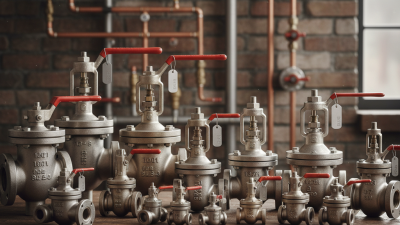
Industrial systems use valves across larger, more complex networks. They can isolate sections of pipe, regulate fuel flow to burners, or stop supply when linked safety controls detect a fault. A plant may have several valve types in sequence, each serving a distinct role. The layout must match the equipment and operating conditions. No single arrangement fits every site. Engineers specify the design, and qualified personnel inspect and maintain it. On busy sites, labels and maintenance notes can fall out of date; that deserves attention, not guesswork.
How Gas Valves Help Prevent Leaks and Accidents
Gas valves control the flow of fuel to appliances and provide a way to shut it off. If a flexible connector or appliance develops a leak, closing the correct accessible valve can limit how much gas escapes. The main shutoff valve can stop supply to the whole building, but only when it is safe to reach. Seconds matter.
A valve must be correctly sized, installed, and maintained to work reliably. During a professional inspection, a technician can check for corrosion, loose connections, and stiff or damaged handles. A valve that feels unusually hard to turn should not be forced; arrange for qualified service. Small warning signs can be easy to overlook.
Valves are not leak detectors, and they cannot prevent every failure. That limitation matters. If you smell gas or hear a hissing sound, leave the area without operating switches or using flames. From a safe location, contact the local gas utility or emergency services. Do not return until responders say it is safe. A clear shutoff plan helps, though people sometimes discover too late that a valve is blocked or unfamiliar. Make sure household members know where the shutoff is and when not to approach it.
Why Are Gas Valves Important?
Methane Flammability Limits in Air
Why it matters: Methane can ignite when its concentration in air is within its flammable range. A gas shutoff valve can stop the supply and limit continued gas release if a leak occurs. The chart shows the lower and upper flammability limits, not a measure of valve performance.
Source: NIOSH Pocket Guide to Chemical Hazards, Methane (flammable limits in air: 5%–15% by volume).
How Shutoff and Regulation Protect Appliances and Pipelines
Gas valves perform two related but different jobs: shutoff valves stop flow, while regulators control pressure. A shutoff valve can isolate an appliance or a section of pipe during servicing or an emergency. That matters. A clearly accessible valve near a cooking range, for example, can let a qualified technician work on the appliance without interrupting gas to the entire building.
If a gas odor is present, leave the area and contact emergency services or the gas utility from a safe location; do not troubleshoot the leak yourself.
Regulators help keep gas pressure within the range an appliance is designed to use. Excessive pressure can strain components or cause unstable combustion; pressure that is too low may prevent reliable operation. A regulator is not a substitute for a shutoff valve, and not every valve regulates pressure. It is tempting to assume otherwise. That assumption deserves a check against the system’s documentation.
Correct valve selection, placement, and inspection depend on the installation, so a licensed gas professional should assess problems or make changes. A small component can affect the safety and performance of an entire appliance or pipeline.