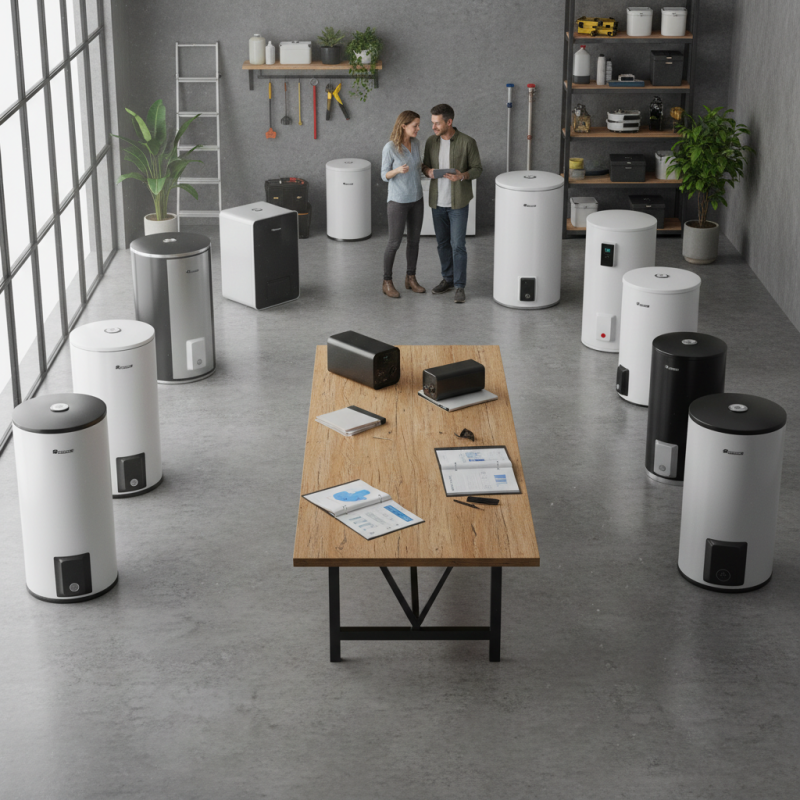
Top 10 Electric Water Heater Options for Your Home Needs?
Choosing the right Electric Water Heater is essential for any home. With various options available, homeowners can feel overwhelmed by the choices. An electric water heater provides consistent hot water and energy efficiency. It's vital to understand your needs and preferences when selecting one.
In this article, we will explore ten top options for electric water heaters. Each option offers unique features, price points, and capacities. You may find that the best choice isn't necessarily the most expensive or high-tech. It could be the model that best fits your family's lifestyle and water usage.
Many people overlook factors like size, recovery rate, and energy efficiency. Understanding these aspects can prevent future regrets. While one model might seem perfect, it may not meet your specific needs over time. Reflecting on your short-term and long-term requirements is crucial.
Types of Electric Water Heaters and Their Features
Electric water heaters come in various types, each designed to meet different needs. Tank water heaters are common in many homes. They store hot water in a large tank. This design ensures a steady supply but takes up significant space. These heaters can struggle during peak usage times when multiple outlets are demanding hot water simultaneously.
Another option is the tankless electric water heater. This type heats water on demand. There’s no need for a storage tank, making it more energy-efficient. However, it may limit the flow rate. Family size and usage patterns must be considered carefully. Some users report insufficient hot water during high-demand times.
Heat pump water heaters are also gaining popularity. They use electricity to move heat, rather than generating it directly. This method can save on energy costs over time. However, they require specific installation conditions to function optimally. Understanding the differences among these options is crucial. Each type has advantages and drawbacks, depending on your specific needs and your home's characteristics.
Top 10 Electric Water Heater Options for Your Home Needs
Factors to Consider When Choosing an Electric Water Heater
Choosing the right electric water heater involves several crucial factors. Energy efficiency is one of the most significant. According to the U.S. Department of Energy, water heating accounts for approximately 18% of a household's energy usage. Opting for a high-efficiency model can significantly reduce your energy bills. Look for units with an Energy Factor (EF) rating of 0.95 or higher for optimal performance.
Consider the size of the heater based on your household needs. The average family of four typically requires a tank size of 50 gallons for adequate hot water supply. However, smaller households may benefit from a point-of-use or smaller tank model. It's often overlooked, but installation type matters too. Conventional tank heaters can be bulky, while tankless options offer space-saving benefits, but might not meet all hot water demands simultaneously.
Maintenance is another critical aspect. Regularly flushing the tank can prevent sediment buildup and prolong the unit's lifespan. Many homeowners neglect this step, leading to inefficient heating and higher energy costs. Most experts recommend a yearly check-up to ensure your system runs smoothly. Balancing efficiency, size, and maintenance can lead to a more satisfying experience with your electric water heater.
Top 10 Electric Water Heater Models for Residential Use
When choosing an electric water heater, think about your household’s needs. Consider both capacity and energy efficiency. A family of four typically needs at least 50 gallons of hot water. Smaller homes may do fine with 30 to 40 gallons. Check the first-hour rating. This rating tells you how much hot water the heater can provide in the busiest hour. It’s essential for busy mornings or when hosting guests.
Installation and maintenance also matter. Electric water heaters can be easier to install compared to gas models. However, finding a qualified technician for maintenance is crucial. Some models require regular flushing to prevent sediment buildup. This is an often-overlooked aspect that can affect efficiency.
Energy efficiency ratings are vital. Look for models that offer good Energy Factor (EF) ratings. Higher ratings mean lower energy bills. A reliable heater will save you money in the long run. Be aware that not all units perform as expected. Some may have higher operational costs than advertised. Research and consider reviews before making a choice. This diligence ensures a reliable investment for your home.
Energy Efficiency Ratings and Cost Analysis of Electric Water Heaters
When selecting an electric water heater, energy efficiency is a crucial factor. Look for models with a high energy factor (EF) rating. This rating measures the unit's efficiency in converting energy into hot water. Higher ratings indicate lower energy bills. Units with an EF above 0.90 are excellent choices for saving both energy and costs.
Cost analysis is also essential. A lower initial price does not always mean savings in the long run. Installation fees, maintenance, and energy consumption should all be considered. You might find that more expensive models have longer lifespans and lower operating costs. It’s worth spending extra for quality. However, always review the warranty and manufacturer’s history for reliability.
Some heaters may also come with advanced features, such as smart technologies and quick recovery rates. These can enhance convenience, but they might inflate costs. Reflecting on the features you need can simplify your decision. Perhaps a basic model suffices for your household. High-tech options aren't always necessary for every family. Balancing upfront costs with long-term savings leads to the best choice.
Top 10 Electric Water Heater Options for Your Home Needs
| Model | Capacity (Gallons) | Energy Efficiency Rating (EF) | Estimated Cost ($) | Warranty (Years) |
| Model A | 40 | 0.95 | 750 | 6 |
| Model B | 50 | 0.93 | 800 | 8 |
| Model C | 30 | 0.97 | 600 | 5 |
| Model D | 80 | 0.91 | 900 | 10 |
| Model E | 40 | 0.89 | 700 | 6 |
| Model F | 50 | 0.96 | 850 | 7 |
| Model G | 30 | 0.94 | 650 | 5 |
| Model H | 80 | 0.90 | 950 | 11 |
| Model I | 40 | 0.92 | 720 | 6 |
| Model J | 50 | 0.88 | 770 | 7 |
Installation and Maintenance Tips for Electric Water Heaters
When installing an electric water heater, proper techniques can enhance performance and lifespan. Choose a location away from moisture to reduce rusting risks. Ensure the area meets local building codes, as this promotes safety. According to the U.S. Department of Energy, improper installation can decrease efficiency by up to 30%. Correct installation boosts heater lifespan significantly, often exceeding 10 years when done right.
Routine maintenance is crucial. Flush the tank yearly to remove sediment buildup, which can hinder efficiency. The North American Plumbing Association suggests inspecting heating elements for wear every 6-12 months. This simple task can prevent costly repairs and extend the heater's lifespan. Keep an eye on the temperature setting. A temperature of 120°F is sufficient for most households and prevents scalding.
Be aware of common pitfalls. Many homeowners neglect insulation for the pipes, leading to heat loss, which wastes energy. Regular inspections help to catch leaks early, preventing water damage. Although these tasks may seem minor, they are vital for ensuring the smooth operation of an electric water heater. Remember, investing time in maintenance can lead to significant cost savings over the years.