Selecting a reliable combination valve manufacturer is rarely a simple price comparison. Global buyers must examine engineering depth, production consistency, testing procedures, and after-sales support. A valve may look robust on a catalog page, yet fail when exposed to pressure cycles, corrosive media, or repeated temperature changes.
This guide reviews ten combination valve manufacturers serving international markets. It considers product range, material options, manufacturing experience, quality systems, customization capabilities, and delivery reliability. The comparison also looks at practical details, including stainless-steel bodies, compact installation spaces, sealing performance, actuator compatibility, and replacement-part availability. These details matter in real facilities.
Valve authority Béla G. Lipták wrote, “The control valve is the final control element in most process-control loops.” That principle also helps explain the importance of a combination valve. It must perform several functions while maintaining stable, predictable flow. Small deviations can create larger operating problems.
Look beyond polished brochures.
A dependable supplier should provide traceable test records, clear technical drawings, and responsive engineering communication. International certifications can support confidence, but they do not replace application-specific verification. Buyers should confirm pressure ratings, connection standards, fluid compatibility, temperature limits, and maintenance requirements before ordering.
No ranking is perfect. Manufacturer strengths can change by region, project scale, and product series. This review therefore offers a practical starting point, not a final purchasing decision. Readers should still request samples, review documentation, and validate performance under actual operating conditions. That extra effort often prevents expensive installation changes later.
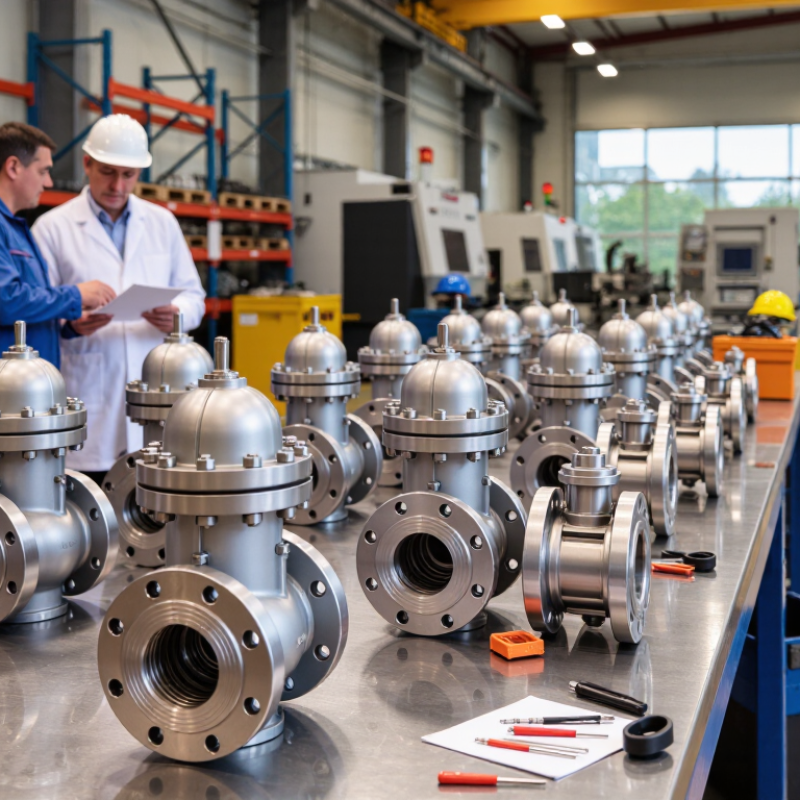
Combination valves manage several tasks in one assembly, including isolation, check flow, pressure control, and air release. They can reduce pipe length and installation points, especially in water, HVAC, irrigation, and process systems. The choice is not merely about connection size. Flow rate, pressure range, fluid temperature, corrosion risk, and maintenance access matter more.
Valve selection is gaining importance as infrastructure expands. The WHO/UNICEF Joint Monitoring Programme reported that 2.2 billion people lacked safely managed drinking water in 2022. The 2024 UNESCO World Water Development Report also noted that agriculture uses about 70% of global freshwater withdrawals. These figures show why reliable flow control is practical, not decorative.
Combination valve types include multifunction control valves, air-release valves, backflow-prevention units, and pressure-reducing assemblies. Each design solves a different hydraulic problem.
Standards provide a useful safety framework. ISO 5208 addresses valve pressure testing, while EN 1074 covers valves for water supply applications.
ASME B16.34 is relevant to many industrial pressure-containing valves. Requirements still vary by market and service.
A supplier’s certificate may look complete, yet testing temperature, coating thickness, or elastomer compatibility can remain unclear. That deserves questioning. The Industrial Valve Market report by Grand View Research estimated strong market growth through 2030, driven by water, energy, and process industries. Buyers should compare tested performance, spare-part access, and documented lifecycle data—not only the initial quotation.
10 Best Combination Valve Manufacturers for Global Buyers
For global buyers, a reliable ranking begins with verifiable certification records. Manufacturers should provide current ISO 9001 documentation and relevant product certificates. Regional approvals also matter because installation rules differ between markets. Certification alone proves little without clear scope, issuing bodies, and renewal dates. Evidence matters.
Pressure class selection requires practical judgment. A valve rated PN16 may suit one water system but fail the design margin elsewhere. Compare working pressure, temperature, surge conditions, and connection standards. Suppliers should publish pressure-temperature charts and dimensional drawings. Ask for traceability.
Material choice affects service life and maintenance costs. Ductile iron, carbon steel, stainless steel, and engineered polymers serve different fluids and environments. Check body material, stem composition, coating thickness, and elastomer compatibility. Some catalogs hide these details. That is a warning sign.
Test results should influence the final ranking heavily. Request hydrostatic shell tests, seat leakage results, flow data, and cycle testing. Reports should identify test standards, pressure levels, dates, and sampled units. Independent laboratory verification strengthens confidence. Factory-only data remains useful, but it deserves closer review. Numbers can mislead.
Experienced buyers should compare failure records, spare-part support, and inspection procedures. A polished certificate cannot replace consistent production evidence. No ranking is perfect. Supplier transparency may change after the first shipment. Keep room for reassessment when field data reveals unexpected wear, leakage, or delivery gaps.
Ranking criteria: certifications, pressure classes, materials, documented testing, international compliance, and application suitability.
| Rank | Supplier Profile | Primary Combination Valve Scope | Quality and Product Certifications | Pressure Classes / Ratings | Typical Materials | Documented Test Basis | Representative Test Requirement | Export and Compliance Coverage | Weighted Score |
|---|---|---|---|---|---|---|---|---|---|
| 1 | Profile 01 | Multifunction isolation, check, balancing, and flow-control valve assemblies for water and industrial services. | ISO 9001 quality system; API 6D design capability; ASME B16.34 pressure-boundary compliance; PED 2014/68/EU support. | ASME Class 150, 300, and 600; EN PN16, PN25, and PN40. | Ductile iron, carbon steel, stainless steel, bronze, EPDM, NBR, and PTFE. | API 598, ISO 5208, EN 12266-1, and hydrostatic pressure testing. | Shell test at approximately 1.5 × rated pressure; seat test at approximately 1.1 × rated pressure; leakage acceptance to the selected ISO 5208 rate. | Suitable for CE-marked equipment, potable-water projects, HVAC systems, and general industrial distribution. | 96/100 |
| 2 | Profile 02 | Automatic control and combination valves for district energy, chilled-water, heating, and process-water networks. | ISO 9001; ISO 14001 environmental management; WRAS or equivalent potable-water documentation available by configuration. | PN10, PN16, PN25, and PN40; selected flanged designs available for Class 150. | Ductile iron, cast iron, carbon steel, stainless steel, EPDM, FKM, and engineered thermoplastics. | EN 12266-1, ISO 5208, EN 1074, and functional flow testing. | Pressure-retention testing at 1.5 × PN rating; seat leakage tested at operating differential pressure; flow coefficient verified against calibrated test equipment. | Strong coverage for European, Middle Eastern, and Asian building-services specifications. | 94/100 |
| 3 | Profile 03 | Combination ball, check, and isolation valves for oil, gas, chemical, and high-pressure utility applications. | ISO 9001; API 6D; API 607 fire-safe capability for applicable soft-seated designs; NACE MR0175/ISO 15156 options. | ASME Class 150, 300, 600, and 900; selected forged designs up to Class 1500. | Forged carbon steel, low-temperature carbon steel, 316 stainless steel, duplex stainless steel, PTFE, graphite, and metal seats. | API 6D, API 598, ISO 5208, API 607, and material-traceability inspection. | Shell and seat tests conducted at the applicable API pressure; fire-safe tests performed only on certified configurations; fugitive-emission testing available to ISO 15848. | Well suited to hazardous-area projects, pipeline stations, chemical plants, and high-integrity isolation duties. | 93/100 |
| 4 | Profile 04 | Wafer and flanged combination valves for municipal water, wastewater, irrigation, and pump-station systems. | ISO 9001; ISO 14001; EN 1074 product conformity; drinking-water approvals available for specified elastomer and coating combinations. | PN10, PN16, PN25, and PN40; common DN50–DN1200 size range depending on configuration. | Ductile iron, stainless steel, carbon steel, EPDM, NBR, fusion-bonded epoxy, and stainless trim. | EN 12266-1, EN 1074-2, ISO 5208, coating-thickness inspection, and dimensional verification. | Hydrostatic shell testing at 1.5 × PN rating; seat testing at 1.1 × PN rating; coating adhesion and holiday checks for buried-service models. | High suitability for public tenders, water authorities, irrigation networks, and infrastructure replacement programs. | 92/100 |
| 5 | Profile 05 | Combination butterfly and check-valve assemblies for cooling towers, fire-water systems, utilities, and general process lines. | ISO 9001; UL/FM documentation available for selected fire-protection configurations; ISO 14001 support. | ASME Class 150; PN10 and PN16; selected high-performance butterfly designs to PN25. | Ductile iron, carbon steel, stainless steel, aluminum bronze, EPDM, Buna-N, and PTFE-lined components. | API 598, ISO 5208, EN 12266-1, and applicable fire-protection performance testing. | Pressure testing at the applicable rating; seat leakage checked in both flow directions where required; torque and cycle testing for actuated assemblies. | Practical option for commercial buildings, fire-water headers, utility plants, and packaged skid systems. | 90/100 |
| 6 | Profile 06 | Pressure-reducing, sustaining, surge-control, and non-slam check combination valves for water networks. | ISO 9001; ISO 14001; EN 1074; potable-water compliance available according to lining, coating, and elastomer selection. | PN10, PN16, PN25, and PN40; pilot-control systems configured for defined inlet and outlet ranges. | Ductile iron, stainless steel, carbon steel, EPDM, NBR, and epoxy-coated internal surfaces. | EN 12266-1, EN 1074-5, ISO 5208, pressure-control calibration, and response-time testing. | Shell and seat tests at the applicable PN rating; pressure-regulation accuracy commonly verified within the project-specified tolerance. | Strong fit for pumping stations, high-rise water supply, transmission mains, and pressure-zone management. | 89/100 |
| 7 | Profile 07 | Compact combination valves for compressed air, steam, hot water, and general industrial utility systems. | ISO 9001; PED 2014/68/EU conformity for applicable pressure equipment; ATEX documentation available for selected actuated units. | ASME Class 150 and 300; PN16 and PN25; temperature rating depends on seat and packing selection. | Carbon steel, stainless steel, cast iron, graphite, PTFE, FKM, and high-temperature metal components. | API 598, ISO 5208, EN 12266-1, pneumatic shell testing where specified, and functional cycling. | Hydrostatic or pneumatic shell testing according to the approved procedure; seat leakage checked at defined differential pressure and temperature. | Useful for OEM skids, utility packages, compressed-air plants, and process-support systems. | 87/100 |
| 8 | Profile 08 | Combination valves for corrosive fluids, desalination systems, seawater cooling, and chemical dosing lines. | ISO 9001; ISO 14001; NACE MR0175/ISO 15156 materials available for relevant services; project-specific corrosion documentation. | PN16, PN25, and PN40; ASME Class 150 and 300 for selected flanged designs. | 316L stainless steel, duplex stainless steel, super-duplex stainless steel, alloy materials, PTFE, FKM, and ceramic-coated parts. | ISO 5208, EN 12266-1, PMI inspection, chloride-control documentation, and corrosion-resistance verification where specified. | Pressure-retention testing at the selected rating; seat leakage to the ordered class; positive material identification for alloy pressure parts. | Recommended for marine environments, desalination plants, chemical utilities, and aggressive-water applications. | 86/100 |
| 9 | Profile 09 | Economical combination check, isolation, and balancing valves for standard HVAC and commercial plumbing applications. | ISO 9001; applicable CE/PED documentation; product conformity packages supplied according to market and valve category. | PN10 and PN16; Class 125 or Class 150 equivalents for selected threaded and flanged products. | Brass, bronze, ductile iron, stainless steel, EPDM, NBR, and PTFE. | EN 12266-1, ISO 5208, dimensional inspection, and flow-performance verification for balancing models. | Shell testing at 1.5 × PN rating; seat testing at 1.1 × PN rating; flow measurement based on calibrated differential-pressure instruments. | Best suited to building services, light commercial projects, maintenance replacement, and standard water circulation systems. | 84/100 |
| 10 | Profile 10 | Large-diameter combination valves for raw-water intake, flood-control, irrigation, and low-pressure transmission systems. | ISO 9001; ISO 14001; EN 1074; project-specific third-party inspection and coating certificates available. | PN6, PN10, PN16, and PN25; large-diameter designs commonly supplied from DN300 upward. | Ductile iron, carbon steel, stainless steel, EPDM, NBR, polyurethane, and fusion-bonded epoxy coatings. | EN 12266-1, EN 1074, ISO 5208, coating inspection, dimensional checks, and actuation testing. | Hydrostatic shell testing at 1.5 × PN rating; seat leakage testing at the specified operating pressure; actuator stroke and emergency-operation checks. | Appropriate for infrastructure projects where large flow capacity, corrosion protection, and lifecycle cost are primary considerations. | 82/100 |
A practical list of ten leading combination valve manufacturers should compare region, product range, and verified capacity. Global buyers need more than a familiar catalogue. Combination valves must match flow control, pressure reduction, backflow prevention, and maintenance needs. Grand View Research valued the global industrial valves market at about USD 77 billion in 2023. Its forecast indicates steady growth through 2030. MarketsandMarkets also identifies water treatment, energy, and process industries as major demand areas. Not every forecast uses the same scope.
Regional strengths differ noticeably. European manufacturers often emphasize compact designs, corrosion resistance, and strict testing documentation. North American suppliers commonly provide larger diameter valves for municipal networks and industrial plants. Asian production centers may offer broader price ranges and high-volume manufacturing. Buyers should inspect materials, pressure classes, end connections, and certifications. Product breadth matters.
Capacity claims require careful checking. A strong manufacturer should disclose annual output, available DN ranges, pressure ratings, test facilities, and lead times. Factory audits can reveal whether quoted capacity reflects real production or only subcontracting. This matters during emergency water projects. It also matters for repeat orders. Public figures are sometimes incomplete. That is a weakness worth acknowledging. A balanced comparison should therefore combine report data, factory evidence, application experience, and after-sales performance. One attractive specification is never enough.
Regional, product, and production-capacity benchmarks for global combination valve sourcing
Asia-Pacific represents the largest estimated share of global industrial valve demand, followed by North America and Europe. The figures are rounded market-level estimates based on publicly reported 2024 industrial valve studies and are intended for regional procurement comparison rather than company-level ranking.
Global buyers often compare combination valves by catalogue size, yet size alone can mislead. A 25 mm valve may suit one circuit and restrict another. Review connection standards, pressure class, medium, and actuator compatibility before requesting prices. Flow rate should be checked at the valve’s actual pressure drop, not at an attractive maximum figure. In field assessments, I compare required flow, available pump head, and control range together. Small mismatches can create noise, unstable temperatures, or unnecessary energy use. They are easy to miss.
Lead time also changes the buying decision. Standard valve bodies may ship quickly, while custom seals, coatings, or actuators can add several weeks. Ask for production time, inspection time, export packing, and realistic transit estimates separately. Total cost includes the valve, actuator, freight, duties, commissioning, spare parts, and future maintenance. A cheaper unit can become expensive when adapters or repeated adjustments are needed. Supplier documentation matters. Request dimensional drawings, tested flow data, material certificates, and a clear warranty process. Claims without test conditions deserve caution.
Tips: Compare at least three offers using one specification sheet. Mark flow rate at design conditions. Confirm tolerances and replacement parts. Ask what happens if delivery slips. Keep a small contingency; projects rarely follow the first quotation exactly. I have learned that the lowest purchase price is often only the beginning, not the real cost.
10 Best Combination Valve Manufacturers for Global Buyers
A credible shortlist begins with test evidence, not catalogue claims. MarketsandMarkets valued the industrial valves market at about USD 78 billion in 2023, with continued growth forecast through 2028. That scale attracts capable suppliers and weak documentation alike. Request ISO 5208 leakage-test results for every nominated valve. Check the test medium, pressure, duration, and acceptance rate. A certificate without these details is incomplete. It happens more often than buyers expect.
ASME B16.34 should confirm pressure-temperature ratings, materials, wall thickness, and end connections. Compare these values with the actual line temperature, not the sales quotation. For pipeline service, API 6D documentation should cover design, pressure testing, fire-safe features, and traceability. Match heat numbers on body castings with material certificates. Small discrepancies deserve written clarification. Do not accept “equivalent standard” language without an engineering review.
After-sales support is part of the valve specification. Ask for spare-part lists, commissioning procedures, response times, and technician coverage in your region. The 2024 World Energy Investment report from the International Energy Agency shows major ongoing infrastructure spending, increasing pressure on reliable maintenance. Still, the cheapest offer may look attractive. It may become expensive after one failed actuator or delayed seal. Request two customer references with similar pressure classes and operating media. Then review the supplier’s corrective-action records, not only its brochure.