Top 10 Benefits of Using Valve Lockout Chains for Safety?
In the world of industrial safety, the importance of proper lockout/tagout (LOTO) procedures cannot be overstated. One expert in safety management, John Smith, emphasizes, "Implementing Valve Lockout Chains is a critical step towards ensuring a secure work environment." Valve Lockout Chains play a vital role in safeguarding workers during maintenance and repair tasks. They help prevent accidental valve operation, thus mitigating the risk of potentially dangerous incidents.
These chains are designed to securely lock valves in the closed position. This simple yet effective tool ensures that unauthorized personnel cannot access or operate the valves. The visual cues from the bright colors and lockable mechanisms foster a culture of safety awareness among employees. Furthermore, the portability of Valve Lockout Chains makes them easy to implement across various industrial settings.
Despite their effectiveness, some organizations may underestimate the importance of regular training and inspections. It's crucial to ensure that all staff understand how to use Valve Lockout Chains effectively. Investing in comprehensive training can lead to improved safety practices. Although some professionals might overlook certain aspects, the overall benefits of using Valve Lockout Chains are undeniable. In emphasizing proper use, companies can significantly enhance their safety protocols.
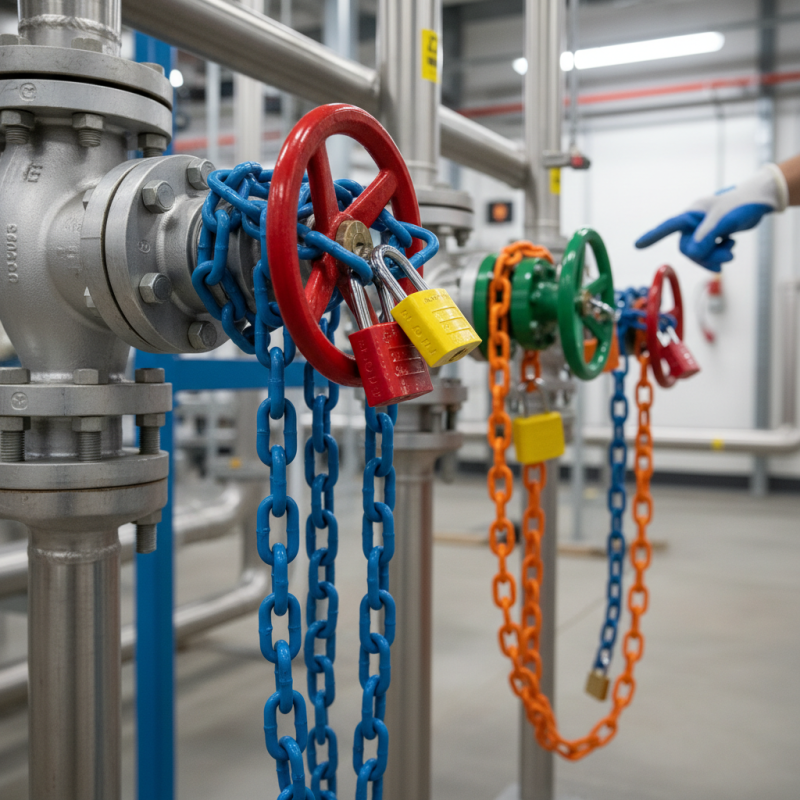
Benefits of Valve Lockout Chains for Industrial Safety Compliance
Valve lockout chains play a crucial role in enhancing industrial safety compliance. According to the Occupational Safety and Health Administration (OSHA), effective lockout/tagout (LOTO) procedures can reduce workplace injuries by up to 30%. These chains provide a physical barrier that prevents unauthorized valve operation, ensuring that maintenance and servicing can be conducted safely. This simple yet effective solution enhances worker protection while adhering to safety regulations.
Moreover, studies reveal that more than 90% of industrial accidents result from improper lockout procedures. Valve lockout chains contribute to a systematic approach that reduces this risk. They are often more visible than standard locks, helping workers quickly identify secured valves even in complex environments. This visibility is paramount when time is of the essence, and decisions must be made swiftly.
However, there is always room for improvement. Not all personnel may fully understand the importance of lockout protocols. Training must be ongoing and comprehensive. Workers should be encouraged to share their experiences for better understanding. Continuous evaluation of safety measures, including the effectiveness of lockout chains, is vital for creating a culture of safety and compliance. Addressing gaps in safety protocols can lead to significant improvements in overall workplace safety.
Top 10 Benefits of Using Valve Lockout Chains for Safety
| Benefit | Description |
| Enhanced Safety | Prevents accidental valve operation during maintenance and repairs. |
| Compliance | Helps organizations meet OSHA and industry safety standards. |
| Easy Identification | Color-coded chains allow quick visual identification of locked-out valves. |
| Durability | Constructed from strong materials to withstand harsh industrial environments. |
| Flexibility | Can be used on various valve types and sizes, adapting to different setups. |
| Increased Awareness | Serves as a visual reminder for workers to be alert around hazardous systems. |
| Cost-effective | Affordable compared to potential costs of accidents or downtime. |
| Ease of Use | Simple design allows quick application and removal, saving time. |
| Improved Training | Facilitates better safety training and awareness among employees. |
Enhanced Risk Mitigation with Valve Lockout Chains in Work Environments
In industrial settings, the importance of safety cannot be overstated. According to the Occupational Safety and Health Administration (OSHA), nearly 10% of workplace fatalities occur due to inadequate control of hazardous energy. Valve lockout chains serve as a crucial tool in mitigating these risks. They prevent accidental valve operation during maintenance, significantly reducing the chance of leaks or explosions. These incidents can disrupt operations and result in severe injuries.
Implementing valve lockout chains aligns with the National Safety Council's findings. Their report indicates that proper lockout/tagout procedures can lower the risk of workplace injuries by 40%. These chains promote compliance with safety protocols by providing visible barriers. They draw attention to areas that require caution, ensuring all employees are aware of potential hazards. Such measures are particularly vital in environments where multiple workers interact with heavy machinery.
However, despite their benefits, organizations sometimes overlook the importance of regular training. A survey revealed that 70% of employees feel unprepared for lockout/tagout procedures. This gap suggests a need for continuous education about the effective use of valve lockout chains. By addressing these training needs, companies can further enhance their risk mitigation strategies and create a safer workplace.
Impact of Valve Lockout Chains on Reducing Workplace Accidents
The impact of valve lockout chains on reducing workplace accidents is significant. These chains provide a visible and secure method to prevent unauthorized access to valves during maintenance. Workers can easily identify when a valve is locked out, which helps prevent accidental operation. Visual indicators are crucial in high-risk environments where even a small mistake can lead to serious injuries.
Training employees on the proper use of lockout chains is essential. They need to understand the importance of these safety measures. When workers are not aware of the risks, accidents can happen. It’s not just about having chains; it’s about a culture of safety. Regular audits on compliance can enhance effectiveness. Organizations must reflect on their safety protocols frequently.
However, even with these chains in place, complacency can still pose a risk. Workers might overlook safety protocols or fail to notice a chain. Continuous education and reminders can help combat this. Incorporating real-life scenarios into training can reinforce the importance of lockout procedures. By focusing on these aspects, companies can significantly decrease accident rates and foster a safer working environment.
Effectiveness of Valve Lockout Chains in Training and Safety Protocols
Valve lockout chains are crucial in ensuring safety protocols in various industries. These chains help prevent accidental valve operation during maintenance. By securing valves, workers can focus on their tasks without worrying about unexpected releases or pressure changes. The visual presence of these chains serves as a constant reminder of safety measures in place, making them effective training tools.
Training programs can leverage valve lockout chains to teach proper safety protocols. Participants learn how to implement lockout/tagout procedures effectively. Hands-on experience with these chains reinforces the importance of locking out valves before maintenance begins. However, some may overlook their value, thinking procedures are too complex. This mindset can lead to unsafe work environments. Conversations around the practical use of lockout chains should address common misconceptions and increase overall awareness.
Utilizing valve lockout chains can enhance the safety culture within a workplace. They serve as a tangible representation of safety commitment from management. Workers feel empowered to speak up about safety concerns. Yet, without consistent training, the effectiveness of these chains diminishes. Regularly revisiting safety protocols is essential for maintaining high safety standards.
Cost-Benefit Analysis of Implementing Valve Lockout Chains in Operations
Implementing valve lockout chains in operations offers notable cost advantages. Initial investments can appear significant. However, the potential savings from preventing accidents are profound. Safety incidents can be costly. They lead to medical expenses, legal fees, and lost labor hours. A single accident can have lasting financial impacts on a business.
Training employees to use valve lockout chains boosts safety awareness. Workers become more conscious of their surroundings. This awareness reduces errors. Companies often see a decrease in mishaps over time. While education costs may arise, the long-term benefits justify the investment. Resources saved from accidents can be reallocated for other improvements.
Some might question whether the chains are worth the effort. Shouldn’t we just rely on existing safety protocols? A simple oversight can lead to disaster. In high-risk environments, every layer of safety counts. The integration of valve lockout chains represents a proactive approach. This small change can foster a culture of safety, making operations more secure and ultimately saving money.