Top 10 Gate Valves You Need for Your Next Project?
When embarking on any project that involves fluid control, gate valves are essential components. These valves serve a crucial role in regulating the flow of liquids and gases. Understanding what sets apart the best gate valves is vital for achieving project success. The right choice can enhance efficiency, durability, and overall performance.
In this guide, we explore the top 10 gate valves that every project manager should consider. From various materials to design features, each valve offers unique benefits. It's essential to evaluate not just the specifications but also the intended use. The landscape of gate valves is broad, and getting it right can prevent costly mistakes.
Gate valves have gained popularity due to their reliable sealing capabilities. However, not all valves are created equal. Some might have issues under specific conditions. Therefore, awareness of potential pitfalls is important. Choosing wisely means understanding both the strengths and weaknesses of the options available. In this detailed exploration, we aim to provide insights based on industry experience and expertise to guide your selection process effectively.
Key Features to Consider When Choosing Gate Valves
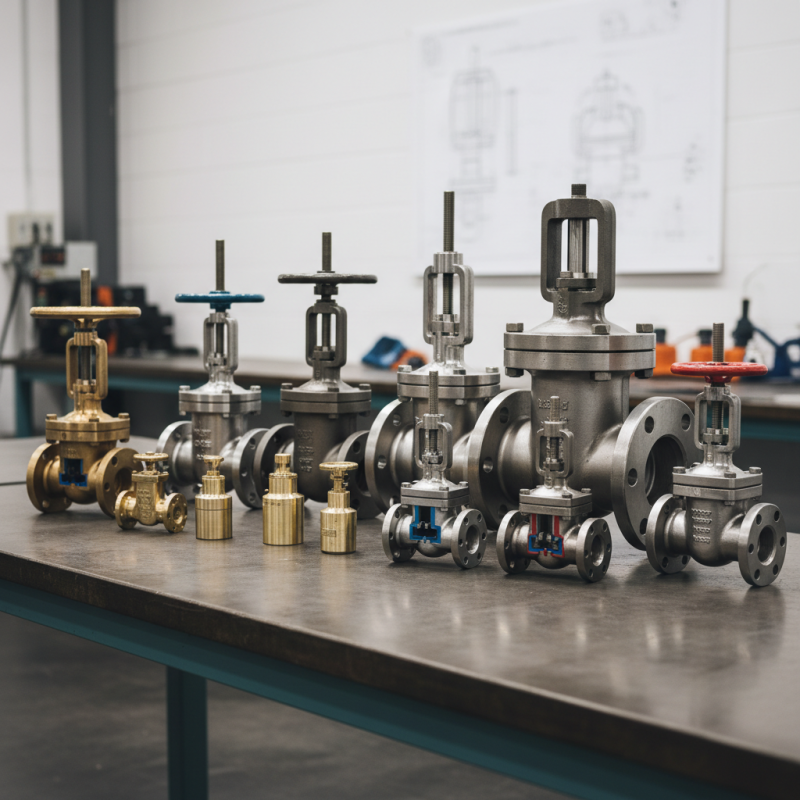
Choosing the right gate valve is crucial for any project. Key features play a vital role in ensuring optimal performance. Start with the valve material. Common options include brass, stainless steel, and cast iron. Each material has its pros and cons. Brass is resistant to corrosion but may not withstand high temperatures. Stainless steel offers strength and durability, while cast iron is economical and reliable in many applications.
Next, consider the valve size. Proper sizing ensures effective flow control. An undersized valve can restrict flow, leading to pressure drops. An oversized valve may not close properly. Evaluate the pressure rating as well. High-pressure systems require valves that can endure constant force. Always check the sealing mechanism too. A good seal prevents leaks and maintains pressure.
Think about installation and maintenance. Some gate valves are easier to install than others. Look for designs that allow for easy access to components. Regular maintenance is essential for longevity. Simple parts replacement can extend the life of the valve. Finally, keep in mind your project requirements. No single valve fits all situations perfectly. Balancing these factors will guide you toward the best choice.
Top 10 Gate Valves You Need for Your Next Project
| Model |
Material |
Size (inches) |
Pressure Rating (psi) |
Temperature Range (°F) |
Application |
| Model A |
Stainless Steel |
2 |
150 |
-20 to 100 |
Water Supply |
| Model B |
Ductile Iron |
3 |
250 |
-10 to 150 |
Sewage Treatment |
| Model C |
Brass |
1 |
300 |
-10 to 200 |
Gas Distribution |
| Model D |
Carbon Steel |
4 |
600 |
-20 to 250 |
Oil & Gas |
| Model E |
Plastic |
2.5 |
75 |
0 to 80 |
Chemical Processing |
| Model F |
Bronze |
3.5 |
150 |
-10 to 120 |
Fire Protection |
| Model G |
Cast Iron |
6 |
350 |
-10 to 230 |
HVAC |
| Model H |
Stainless Steel |
8 |
600 |
-200 to 300 |
High Temperature |
| Model I |
Ductile Iron |
2 |
150 |
-10 to 150 |
Industrial Water |
| Model J |
Carbon Steel |
5 |
400 |
-20 to 200 |
Process Water |
Top Materials Used in Gate Valve Manufacturing
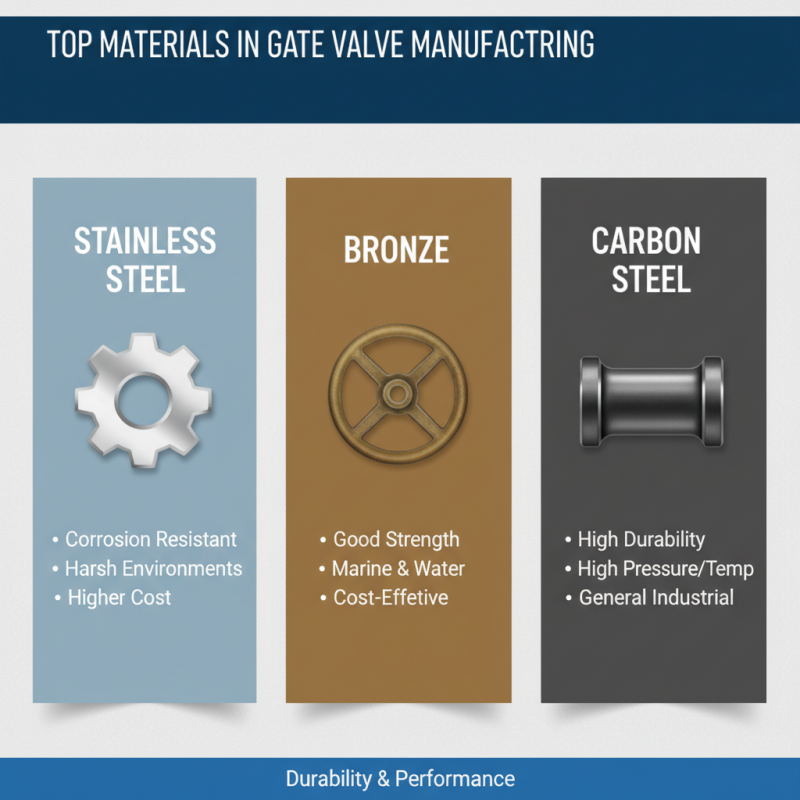
When it comes to gate valves, the materials used in their construction play a critical role in performance and durability. Commonly, gate valves are made from metals like stainless steel, bronze, and carbon steel. Stainless steel is preferred for its resistance to corrosion. It is ideal for harsh environments. However, it can be more expensive than other materials.
Bronze is another popular choice, especially in marine applications. It offers excellent strength and resistance to seawater corrosion. Yet, bronze may not hold up well in all industrial conditions. Carbon steel is strong and economical, but it requires proper protective coatings to prevent rust. Understanding the properties of these materials can aid in selecting the right valve for specific projects.
Sometimes, the right material choice isn’t clear. The operating environment, temperature, and pressure all influence performance. For example, while stainless steel is durable, it may not always be the best fit for low-temperature applications. This highlights the importance of thorough assessments before making a decision. Balancing cost and longevity can lead to better project outcomes.
Popular Brands for Gate Valves in the Industry
When selecting gate valves, understanding the popular brands is crucial. The industry shows impressive growth, with the demand for gate valves projected to reach $XX billion by 2026, according to recent market reports. These valves are commonly used in water supply and industrial applications, making brand reputation essential.
Many professionals in the field cite reliability as a top concern. Beyond aesthetics, brands known for rigorous testing and quality assurance often lead the market. Reports reveal that products with high-quality materials can enhance longevity and reduce maintenance costs. A survey conducted among engineers indicated that 70% prioritize durability when choosing valves.
While popular brands dominate the market, not all are perfect. Some may have inconsistent performance records or issues with availability. Industry experts suggest that users should consider local suppliers and reviews, as regional preferences can significantly impact reliability. Even trusted brands can face criticism for supply chain disruptions, reminding professionals to remain vigilant.
Applications and Use Cases for Gate Valves
Gate valves are essential components in various industrial applications. They are primarily used to start or stop the flow of liquids and gases. Industry reports indicate that the global gate valve market is projected to reach $12.5 billion by 2026, driven by rising demand in sectors like oil and gas, water treatment, and chemical processing.
In the oil and gas industry, gate valves are crucial for controlling flow under high-pressure environments. They ensure minimal pressure drop when fully open. In water treatment facilities, these valves help regulate water flow efficiently. A study highlighted that over 60% of facilities prefer gate valves for their reliability and durability. However, they may not perform well in throttling applications. Their primary function is not to regulate fluid flow but to provide a clear pathway.
Gate valves come with various design features that suit specific use cases. For instance, rising stem gate valves are excellent for applications needing visible position indicators. Conversely, non-rising stem valves are advantageous in space-constrained environments. Yet, the maintenance of these valves can be challenging. Regular inspections are vital, as wear and tear may lead to operational issues. Understanding these nuances is key to optimizing their use in projects.
Maintenance Tips for Ensuring Gate Valve Longevity
Gate valves are essential in many piping systems. To ensure these valves last, maintenance is key. Regular inspection schedules can greatly enhance durability. According to a report from the Valve Manufacturers Association, proper regular maintenance can extend valve life by up to 50%.
Inspecting packing and gaskets is crucial. Over time, they can degrade, leading to leaks. Operators should replace these parts when they show signs of wear. Keeping a log of maintenance activities can help identify patterns. It allows teams to anticipate failures rather than react to them.
Corrosion is another significant issue. Valve bodies are often exposed to harsh environments. Applying a protective coating can mitigate corrosion risks. Industry data indicates that corrosion accounts for 25% of valve failures. Regular cleaning is essential to keep debris from accumulating. This can sometimes be overlooked, but it is vital for valve performance.
Top 10 Gate Valves You Need for Your Next Project
This chart represents the performance ratings of the top 10 gate valves. Maintenance tips for ensuring longevity include regular inspections and proper lubrication to maintain optimal performance.