
7 Tips for Choosing the Right Automatic Recirculation Valve
A reliable automatic recirculation valve does more than protect a centrifugal pump. It maintains minimum flow when process demand falls, helping prevent overheating, cavitation, vibration, and unstable operation. Choosing the right model requires more than matching pipe size. Pressure, temperature, fluid properties, pump curves, and operating patterns all matter.
This guide presents seven practical tips for evaluating an automatic recirculation valve. Start with the pump’s actual minimum continuous flow, not a convenient estimate. Then examine differential pressure across the valve during startup, normal load, and shutdown. A valve that performs well on paper may behave differently in hot, flashing, or particle-laden service. Small details matter. Trim design, noise control, body materials, and bypass capacity can influence reliability.
Field checks are equally important. Confirm that the valve responds smoothly during low-flow conditions, and inspect for leakage, unusual noise, or repeated cycling. Ask the manufacturer for certified flow data, materials documentation, maintenance guidance, and references from comparable applications. I have seen projects focus heavily on purchase price while overlooking installation orientation or downstream backpressure. That shortcut can become expensive. Margins matter. No selection method is perfect. Process conditions may change after commissioning, so the final decision should include operating margins, inspection access, and a realistic maintenance plan. These seven tips support careful engineering judgment without replacing it.
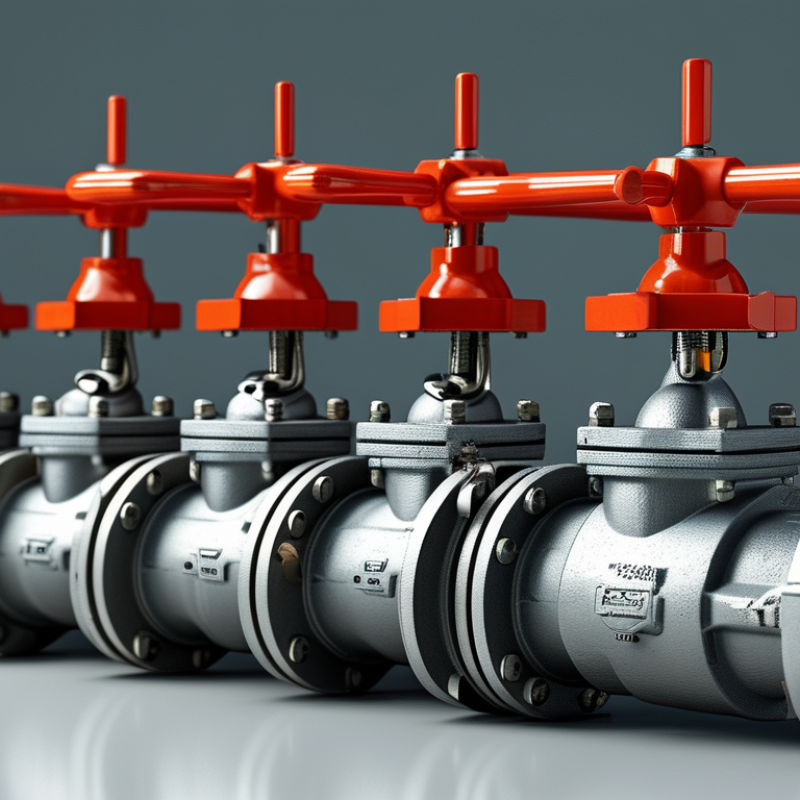
Understanding the Function and Role of an Automatic Recirculation Valve
An automatic recirculation valve (ARV) protects a centrifugal pump when discharge flow drops below its safe minimum. It senses main-line flow through an internal check mechanism. The bypass then opens and returns liquid to the suction vessel or another approved point. This action prevents overheating, vapor formation, excessive vibration, and unstable operation. In field inspections, the bypass line often reveals the real story: a warm pipe can indicate continuous recirculation, not a healthy pump. The valve is a safeguard, not a substitute for correct pump selection.
The U.S. Department of Energy’s Improving Pumping System Performance sourcebook estimates pumping systems can represent 25% to 50% of industrial electricity use. Unnecessary bypass flow increases that burden. Hydraulic Institute guidance emphasizes evaluating minimum continuous stable flow, pressure, temperature, fluid properties, and transient conditions together. A valve sized only from nominal capacity may chatter at low load. That mistake is easy to make. Verify the valve’s cracking pressure, bypass capacity, response speed, materials, and allowable pressure drop against the pump curve and operating cases.
Selection also depends on where the bypass returns. Hot liquid may require a cooler or a controlled return point. Volatile fluids need careful pressure analysis. Solid-bearing fluids can challenge small internal passages. Ask for certified test data, material records, and inspection evidence. Then compare actual start-up, shutdown, and blocked-discharge scenarios. One imperfect assumption can dominate the result. For critical services, independent engineering review and periodic functional testing provide stronger assurance than a catalog check alone.
7 Tips for Choosing the Right Automatic Recirculation Valve - Understanding the Function and Role of an Automatic Recirculation Valve
| No. | Selection Tip | Function or Role | What to Verify | Practical Guidance |
|---|---|---|---|---|
| 1 | Match the minimum-flow requirement | Automatically protects a centrifugal pump by opening the bypass when the main process flow falls below the pump’s required continuous flow. | Pump minimum continuous stable flow, rated capacity, normal operating flow, and allowable bypass flow. | Select a valve whose control point and bypass capacity cover the pump’s minimum-flow condition without causing excessive recirculation. |
| 2 | Size the main flow path correctly | Uses the process-flow passage to maintain acceptable pressure loss and stable pump operation during normal demand. | Maximum, normal, and minimum process flow; fluid density; viscosity; inlet and outlet pressure; and required flow coefficient. | Valve size should be based on calculated flow and pressure drop, not only on the connected pipe diameter. |
| 3 | Check the bypass control characteristics | Provides automatic, staged bypass flow through an integrated fixed or variable orifice, helping prevent pump overheating and internal damage. | Bypass set point, bypass flow at low load, pressure differential, and whether the bypass is continuous, modulating, or fully open/closed. | A modulating bypass is useful when the required recirculation flow changes significantly with operating conditions. |
| 4 | Evaluate pressure drop and cavitation risk | Controls fluid energy while maintaining adequate flow through both the process outlet and the recirculation line. | Available pressure differential, fluid vapor pressure, temperature, net positive suction head available, and expected noise or vibration. | For high-pressure drops or flashing liquids, confirm the valve design and trim are suitable for cavitation control and two-phase effects. |
| 5 | Choose materials for the actual fluid | Maintains pressure-boundary integrity and resistance to corrosion, erosion, temperature, and chemical attack. | Fluid composition, solids content, chloride or acid exposure, operating temperature, pressure, and applicable material requirements. | Consider body, trim, seat, seals, and gasket materials separately; compatibility must cover both normal and upset conditions. |
| 6 | Confirm pressure class and temperature limits | Ensures the valve can safely contain the process fluid across the complete operating envelope. | Maximum allowable working pressure, design temperature, pressure class, end connection standard, and applicable inspection requirements. | Use the pressure-temperature rating for the selected material and connection type; do not rely on nominal size alone. |
| 7 | Review installation and maintenance needs | Allows the valve to sense flow correctly, discharge recirculated fluid safely, and remain accessible for inspection. | Flow direction, bypass piping route, drainage, support, straight-run requirements, accessibility, spare parts, and inspection intervals. | Install according to the flow arrow, avoid unsupported piping loads, and provide isolation or bypass arrangements where required by the process design. |
Selection data checklist: pump type and minimum-flow requirement, normal and maximum flow, fluid properties, inlet and outlet pressure, operating temperature, pressure class, materials, bypass destination, connection standard, and applicable engineering codes.
Related Posts
-
2026 Top Recirculation Valve Types Which One Is Best?
-
How to Choose the Right Diaphragm Valve for Your Industrial Application
-
How to Choose the Right Pilot Valve for Your Application?
-
Top 10 Gate Valves for Optimal Performance in Industrial Applications
-
Why You Need a Gas Shut Off Valve for Home Safety?
-
What is the Best Lever Valve for Global Procurement?