What Are Photoelectric Sensors and How Do They Work?
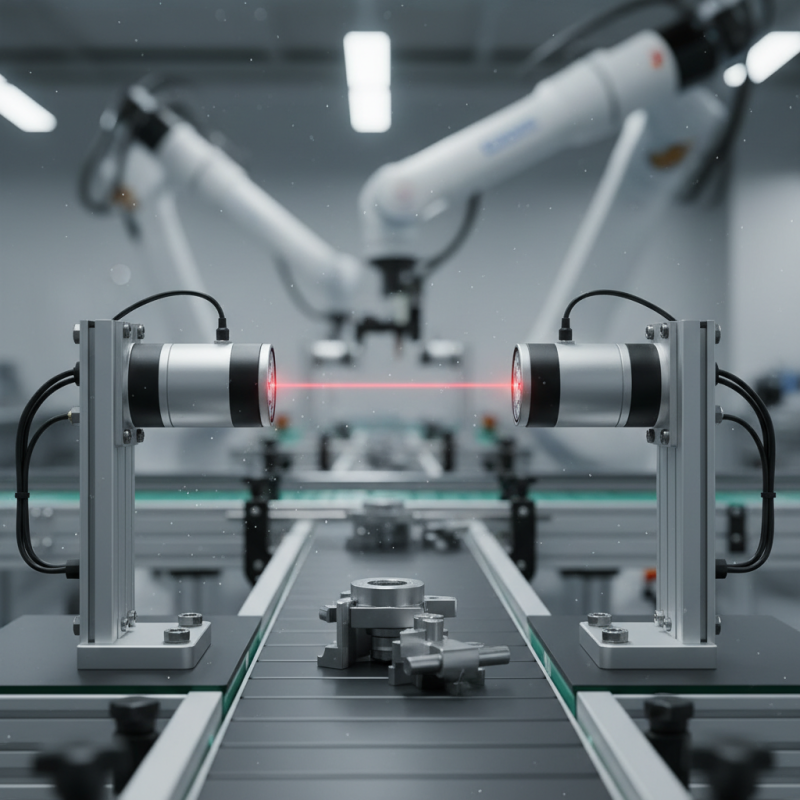
Photoelectric Sensors are vital in the world of automation. They detect objects and measure distances using light. These sensors are used in various fields, including manufacturing and safety systems. Their operation is based on the interruption of a light beam, enabling them to sense changes in the environment.
Understanding photoelectric sensors is crucial for modern technology. Their reliability makes them a top choice for industries. However, not every application will benefit from their use. In some cases, environmental factors like dust or light interference can affect their performance.
As technology evolves, photoelectric sensors continue to improve. They become more sensitive and efficient. Yet, challenges still arise, prompting users to reflect on their implementation. It's essential to weigh advantages and limitations while choosing the right sensor for a specific need.
Introduction to Photoelectric Sensors and Their Applications
Photoelectric sensors are vital in automation. They detect objects without direct contact. Their applications span many industries like manufacturing, packaging, and safety systems. In 2022, the global photoelectric sensor market was valued at approximately $2.3 billion and is projected to grow significantly by 2027.
These sensors use light to identify the presence or absence of an object. They emit a beam of light and monitor any disruptions in that beam. This simple principle is effective but can sometimes lead to false readings. Dust or dirt on the sensor can trigger alerts inadvertently. Regular maintenance is essential to ensure accurate operation. Markets like automobile assembly lines heavily rely on these sensors for quality assurance.
Despite their reliability, these systems are not infallible. Complex environments may overwhelm simple sensors. Adjustments may be needed for varying distances and surface conditions. As industries evolve, adapting tech to various applications becomes more necessary. Challenges remain, but understanding these sensors offers opportunities for improvement.
Key Components of Photoelectric Sensors Explained
Photoelectric sensors are essential in automation technology. They turn light signals into electrical impulses. Understanding their components is crucial for effective application. The main parts include the emitter, receiver, and the control circuit. The emitter generates light, usually infrared. When an object interrupts this light, the receiver detects the change.
In 2022, the global photoelectric sensors market was valued at approximately $3 billion. This number is expected to grow significantly. The expansion is driven by increased automation in industries like manufacturing and logistics. However, challenges exist. Sensor alignment and environmental factors can affect performance. Dust or fog may result in inaccurate readings.
Effective sensor integration requires careful consideration of these issues. For instance, using a reflective type sensor may be less reliable in dirty environments. Users must constantly evaluate their setup. Regular maintenance is often overlooked. This can lead to inefficiencies and unexpected downtime. Adjusting to these realities is vital for optimal performance.
Understanding the Operation of Photoelectric Sensors
This bar chart illustrates the effectiveness of different types of photoelectric sensors. Infrared sensors are the most effective, followed by laser, visible light, and ultrasonics. Understanding these variations can greatly assist in selecting the appropriate sensor for specific applications.
Mechanisms of Operation in Photoelectric Sensors
Photoelectric sensors are devices that detect light changes. They convert light signals into electrical signals. These sensors are widely used in industrial automation. Depending on their function, they can be used for presence detection or distance measurement. Their ability to work in various lighting conditions makes them valuable.
The mechanisms of operation in photoelectric sensors typically involve three main components: a light emitter, a receiver, and a control unit. The light emitter generates a beam, often infrared. When an object interrupts this beam, the photoelectric sensor detects the change. An industry report from MarketsandMarkets predicts that the photoelectric sensor market will grow significantly, reaching USD 2.3 billion by 2025. This growth reflects the increasing demand for automation and efficiency in manufacturing.
However, there are challenges. Environmental factors such as dust and fog can interfere with the sensor's function. These limitations can lead to false readings. Regular maintenance is crucial to mitigate these issues. Understanding the environment where these sensors are installed is essential. In many cases, users may need to experiment with sensor placement to achieve optimal results. Balancing efficiency and functionality is an ongoing concern in sensor technology.
Types of Photoelectric Sensors and Their Distinctions
Photoelectric sensors play a crucial role in automation. They detect objects, changes in surface conditions, and even measure distances without physical contact. There are several types of photoelectric sensors, each designed for specific applications.
Generally, photoelectric sensors fall into three main categories: through-beam, retro-reflective, and proximity sensors. Through-beam sensors use a sender and a receiver. They create a beam of light; if an object interrupts this beam, the sensor detects it. According to industry reports, these sensors are about 90% effective in high-speed applications. Retro-reflective sensors bounce light off a reflector. They are good for detecting items at a distance. Proximity sensors, on the other hand, detect when an object is very close. They usually operate over short distances, often under 1 meter.
Tips: Choose the right type based on your needs. For bulk detection, through-beam sensors work well. However, they can be affected by environmental factors like dust and fog. Retro-reflective sensors can struggle indoors where reflections may mislead the readings. Always conduct tests to verify performance in your specific conditions. Depending on your installation environment, you might reconsider your choices after facing initial challenges. Regular maintenance can also improve sensor reliability.
Applications and Benefits of Using Photoelectric Sensors
Photoelectric sensors are essential tools in many industries today. They use light to detect objects or measure distances. This technology finds applications in automation, safety systems, and manufacturing processes. They are versatile and reliable, making them perfect for various tasks.
In manufacturing, photoelectric sensors enhance efficiency. They can detect the presence or absence of items on an assembly line. This capability minimizes errors and reduces waste. For instance, if a product moves down the line, sensors ensure it is in the correct position. However, sometimes misalignment occurs, leading to potential delays. Users need to ensure proper calibration.
In safety systems, these sensors provide critical benefits. They act as safety barriers in hazardous areas. When someone approaches, the sensor triggers an alert. This prevents accidents and protects workers. Yet, environmental factors like dust or light interference may affect their performance. Regular maintenance and testing are vital for reliability. Thus, while photoelectric sensors offer many advantages, careful attention to their operation is necessary for optimal results.