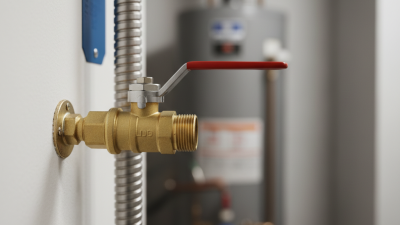
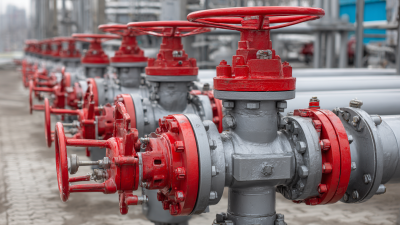
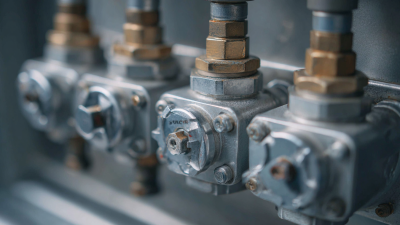
What is a Natural Gas Shut Off Valve and How Does it Work?
Natural gas shut off valves are critical safety devices in residential and commercial settings. According to the American Gas Association, natural gas is supplied to over 70 million homes in the U.S. alone. Ensuring a secure gas system is essential for safety. Natural gas shut off valves automatically activate during emergencies, such as gas leaks or seismic events, minimizing risk.
The National Fire Protection Association reports that improper gas system management contributes to numerous accidents each year. Installing a natural gas shut off valve is a proactive step in preventing potential disasters. It’s a simple yet effective measure, but many homes lack this vital component. This gap in safety measures gives rise to essential questions about preparedness and reliability.
A natural gas shut off valve promotes safety by controlling gas flow. However, even with their importance, many property owners are unaware of how they function. Beyond installation, regular maintenance checks are necessary to ensure they operate correctly. Understanding these devices can help property owners safeguard their spaces more effectively. Regular education is needed to highlight their value in enhancing safety protocols.
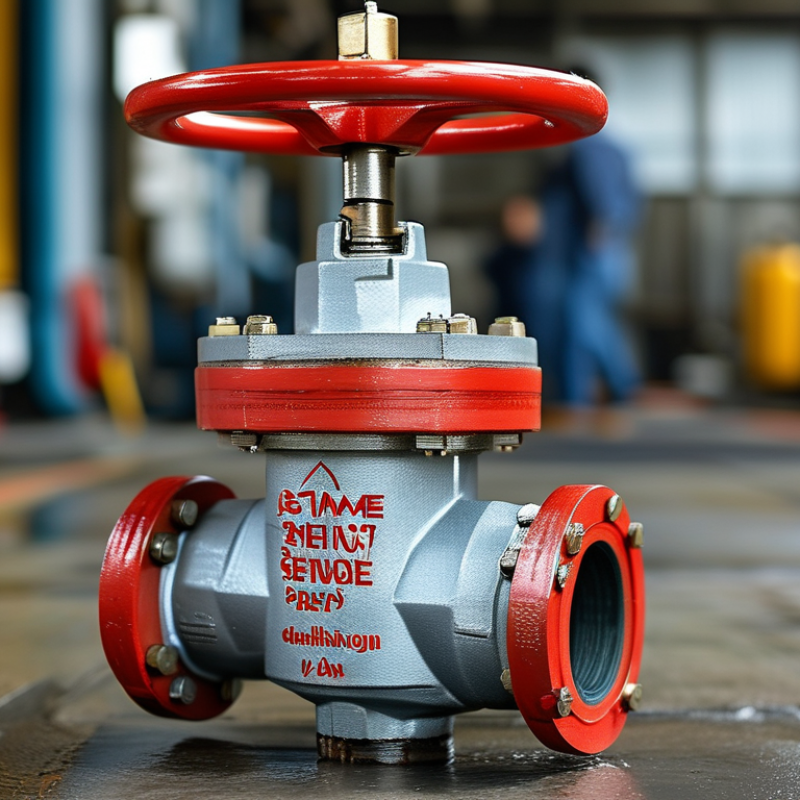
What is a Natural Gas Shut Off Valve?
A natural gas shut off valve is a critical safety device. It controls the flow of natural gas to your home or business. These valves are designed to prevent gas leaks in emergencies. They can be manual or automatic, depending on the installation.
When a gas line is damaged, a shut off valve can swiftly cut off the supply. This reduces the risk of explosions, ensuring safety. Many people overlook the importance of knowing where their valve is located. Familiarity with this valve is essential for every household. In case of emergencies, acting quickly can save lives.
Understanding how this valve works enhances safety awareness. Regular inspections are necessary to ensure functionality. A valve that hasn't been used for years may become rusty or difficult to operate. This can lead to uncertainty during a crisis. Ensuring this equipment is in good working order is a significant responsibility for homeowners.
Investing time in learning about natural gas shut off valves can greatly impact safety.
The Purpose and Importance of Shut Off Valves in Gas Systems
Shut-off valves play a crucial role in natural gas systems. Designed to prevent leaks and ensure safety, they are essential components in homes and industries. According to the American Gas Association, about 10% of gas-related accidents occur due to faulty systems. Properly functioning shut-off valves can significantly reduce this risk.
These valves automatically stop the gas flow during emergencies. They respond to various triggers, such as leaks or pressure changes. It’s vital for homeowners to check these valves regularly. The National Fire Protection Association recommends annual inspections. Ignorance of valve maintenance can lead to dire consequences.
Moreover, the energy industry reports that nearly 70% of all gas incidents are preventable. This statistic highlights the importance of functional shut-off valves. However, many systems remain unmonitored, creating potential hazards. Increased awareness about valve maintenance can save lives and resources. Investing time in understanding these mechanisms can yield significant benefits.
How Natural Gas Shut Off Valves Function Mechanically
A natural gas shut off valve is a crucial safety device. It stops the flow of gas during emergencies or repairs. Understanding how these valves work is important for safety in homes and businesses.
Mechanically, a shut off valve operates by using a simple mechanism. When the valve lever is turned or a sensing device detects an issue, the valve closes. This action interrupts the gas supply. The design ensures that even under pressure, the valve can seal tightly. You might need to check the valve regularly for wear. Corrosion can weaken its functionality over time.
Tips: Regular inspections can prevent failures. Look for signs of rust. These can indicate potential issues. Familiarize yourself with the location of your shut off valve. Quick access can save lives during an emergency.
In some cases, you might find valves that are not functioning as intended. If a valve does not close completely, it can lead to hazardous leaks. Take note if you smell gas; this may indicate a valve issue. Engage a professional for thorough maintenance and replacement when necessary. Keeping your gas system safe is essential for peace of mind.
Types of Natural Gas Shut Off Valves and Their Applications
Natural gas shut off valves play a crucial role in safety and efficiency. They come in different types, each with its specific application. One common type is the manual shut off valve. This valve requires human operation to activate. It's typically found in residential settings, allowing homeowners to control gas flow easily.
Another type is the automatic shut off valve. This valve activates without human intervention, often triggered by pressure changes or safety sensors. These are essential in commercial settings where continuous monitoring is necessary. Finally, we have solenoid valves. They use electricity to control gas flow and are widely used in appliances.
**Tips:** Regularly check manual valves for smooth operation. Ensure your automatic valves are well-maintained to avoid delays in response during a leak. Monitor the solenoid valves for any irregularities; they can fail if not inspected routinely. Remember, inspection of all types is vital for safety.
Considering these options, it’s important to assess your specific needs. Not all valves suit every situation. Determine what works best for your premises. This will enhance safety and potentially save costs down the line.
Types of Natural Gas Shut Off Valves and Their Applications
This chart illustrates the various types of natural gas shut off valves and their respective applications in the industry. The percentage indicates the distribution of usage among these valve types, showing that ball valves have the highest application percentage, followed by gate valves and globe valves.
Maintenance and Safety Tips for Natural Gas Shut Off Valves
Natural gas shut off valves are crucial for safety in homes and commercial buildings. Regular maintenance is essential to ensure these valves function correctly. Start by locating the valve and inspecting it for any signs of corrosion or damage. A clean valve improves performance, so wipe it down with a soft cloth. Avoid using harsh chemicals that could harm the mechanism.
Testing the valve periodically is vital. You can turn it off, then turn it back on to ensure it operates smoothly. However, if you feel unsure, consulting a qualified technician is wise. They can provide a thorough inspection and suggest any necessary repairs. Remember, not all valves are the same; handling each according to its design is important.
Keeping records of maintenance checks can boost reliability. Documenting issues over time allows you to track performance trends. Some homeowners overlook this aspect, thinking it unnecessary. However, it’s key for long-term safety. Neglecting these steps could lead to issues in emergencies. Regular attention ensures that when you really need the valve, it will perform as expected.