How to Choose the Right Home Valve for Your Plumbing Needs?

Choosing the right home valve is crucial for effective plumbing. A valve regulates the flow of water, playing a key role in your home's plumbing system. According to the American Society of Plumbing Engineers, improper valve selection can lead to leaks and reduced efficiency. The right home valve ensures optimal water usage and prolongs the lifespan of your system.

Valves come in various types, each suited for different applications. The most common types include gate, ball, and globe valves. Each type has its advantages and disadvantages. For example, gate valves are great for on/off control, while ball valves provide excellent flow control. A detailed analysis can guide homeowners in making informed decisions.

Homeowners often overlook these critical components. Yet, selecting the wrong valve can result in costly repairs. Research by the Plumbing-Heating-Cooling Contractors Association shows that regular maintenance can reduce plumbing issues significantly. Ultimately, understanding your plumbing needs and the types of home valves available can save you time, effort, and money in the long run.
How to Choose the Right Home Valve for Your Plumbing Needs?

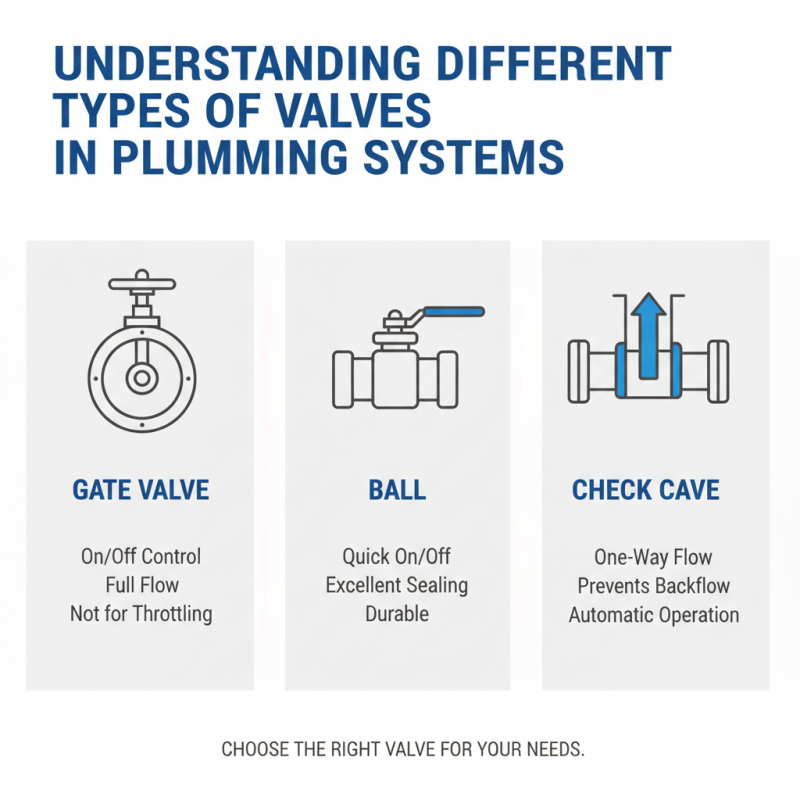
Understanding Different Types of Valves in Plumbing Systems
How to Choose the Right Home Valve for Your Plumbing Needs?

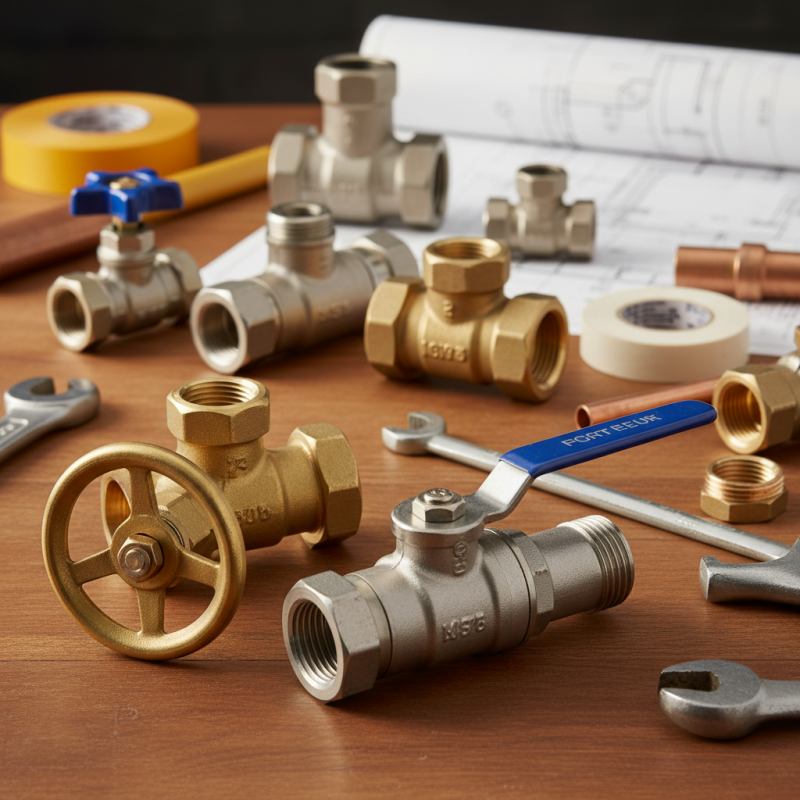
When choosing the right valve for plumbing, it's essential to understand the various types available. Common valves include gate valves, ball valves, and check valves. Each type serves different purposes and functions. For example, gate valves are ideal for on/off control, while ball valves provide excellent sealing. Check valves allow fluid to flow in one direction only.

**Tips:** Always consider the specific needs of your plumbing system. Evaluate your water pressure and temperature. This influences your valve selection.

Another essential factor is the material of the valve. Brass and PVC are popular choices, each with their pros and cons. Brass valves are durable but can corrode. PVC valves resist corrosion but may fail under high temperatures. Assess the environment where the valve will be installed.

**Tips:** Don’t neglect maintenance routines. Regular checks can prevent leaks or malfunctions later. Look out for signs of wear to ensure longevity. Making thoughtful choices now saves time and money later.
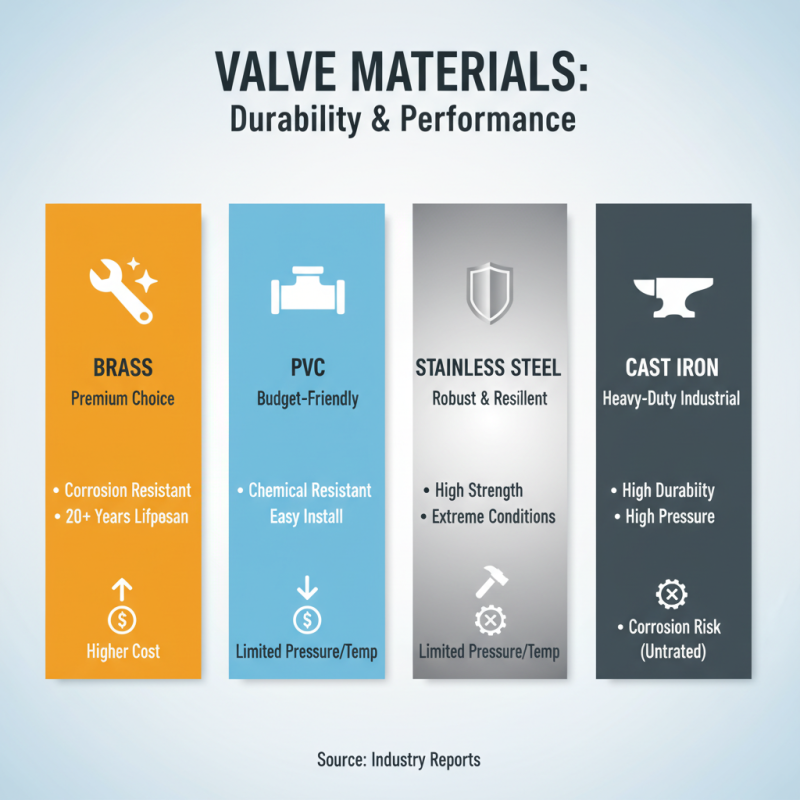
Evaluating Valve Materials for Durability and Performance

How to Choose the Right Home Valve for Your Plumbing Needs?

When selecting the right valve for plumbing, material choice is crucial. Each type of valve material has distinct advantages and weaknesses that impact performance and durability. Common choices include brass, PVC, stainless steel, and cast iron. According to industry reports, brass valves offer high resistance to corrosion and can last over 20 years under optimal conditions. However, they can be more expensive compared to alternatives.

PVC valves are lightweight and resistant to corrosion, making them popular for residential applications. They can handle pressures up to 150 psi, a significant factor for many plumbing systems. Yet, they are less durable in extreme temperatures, raising questions about their long-term viability. An emerging trend indicates that while PVC is economical, its lifespan may not compare to metals like stainless steel.

Stainless steel valves, known for their strength and resistance to rust, are often used in industrial settings. They can endure harsh chemicals and high pressure, making them reliable under various conditions. That said, they come with a higher upfront investment and require proper installation to maximize benefits. Overall, choosing the right valve material involves weighing initial costs against long-term performance metrics.

Determining the Right Size of Valve for Optimal Water Flow

Selecting the appropriate valve size is crucial for efficient water flow in any plumbing system. An oversized valve may seem convenient, but it can lead to issues. Water may flow too fast, causing noise and possible damage. Conversely, a valve that’s too small restricts flow, leading to pressure drops and inconsistent water delivery.

To determine the right size, start with the pipe diameter. Measure the existing plumbing. Valves should match these dimensions for optimal performance. Take into account the water flow rate. If you are unsure, consult with a professional. They can assess your plumbing setup and provide expert advice based on specific needs and circumstances.

Consider the purpose of the valve. For example, a shut-off valve for your main line needs appropriate sizing to prevent leaks. Incorrect sizing here can be costly. Sometimes, expanding the plumbing system may reveal a need for different valves. Always be prepared to reassess as your home's needs change. Making informed decisions will ultimately protect your home and its plumbing system.

Recognizing Pressure Ratings and Their Importance in Valve Selection

When selecting a home valve, understanding pressure ratings is crucial. Pressure ratings determine how much pressure a valve can withstand. Using a valve with an inadequate rating could lead to leaks or failures. Home plumbing systems often deal with varying pressures. Ensuring your valve matches the system’s requirements is essential for safety and functionality.

Many homeowners overlook this aspect, focusing solely on size or cost. It’s important to check both the valve's pressure rating and the system's expected pressure. If a valve is rated for 50 psi, but your system operates at 60 psi, it may not perform well. This mismatch can cause damage over time. Regularly reviewing your plumbing system can prevent unexpected issues.

Always consider the material of the valve too. Different materials handle pressure differently. A brass valve might work better in high-pressure situations than a plastic one. Think carefully before making a choice. Consult with a plumbing professional if you're uncertain. A little research and attention can save you headaches and expenses later.

How to Choose the Right Home Valve for Your Plumbing Needs?

Valve Type Material Pressure Rating (psi) Temperature Rating (°F) Application
Ball Valve Brass 600 200 Water Supply
Gate Valve Cast Iron 200 150 Main Line Shutoff
Check Valve PVC 150 140 Wastewater
Globe Valve Stainless Steel 300 250 Flow Regulation
Pressure Relief Valve Bronze 175 180 Safety Devices

Maintenance Tips for Ensuring Longevity of Home Plumbing Valves

Maintaining home plumbing valves is crucial for ensuring their longevity. A report from the American Society of Sanitary Engineers notes that regular inspection can extend the lifespan of valves by up to 20%. One key aspect is keeping them clear of debris. Dirt and mineral buildup can impede their function, leading to leaks and failures. Homeowners should regularly check for any signs of wear or corrosion.

Another important tip involves checking the water pressure in your home. High water pressure can significantly reduce the lifespan of valves. The ideal range is typically between 40 and 60 psi. Investing in a pressure gauge can help monitor this. Valve seals can deteriorate faster under high pressure, causing premature repairs. Keeping an eye on these details can help avoid costly replacements in the future.

Lastly, routine maintenance should not be overlooked. Many homeowners neglect to lubricate valves, which can lead to stiffness over time. Using non-toxic lubrication can enhance functionality. Regularly exercising valves, opening and closing them, helps ensure they do not seize. However, it’s important to be cautious; over-tightening can cause damage. Every small detail matters in maintaining a dependable plumbing system.

Home Valve Selection Guide