How to Choose the Right Gate Valves for Your Project?
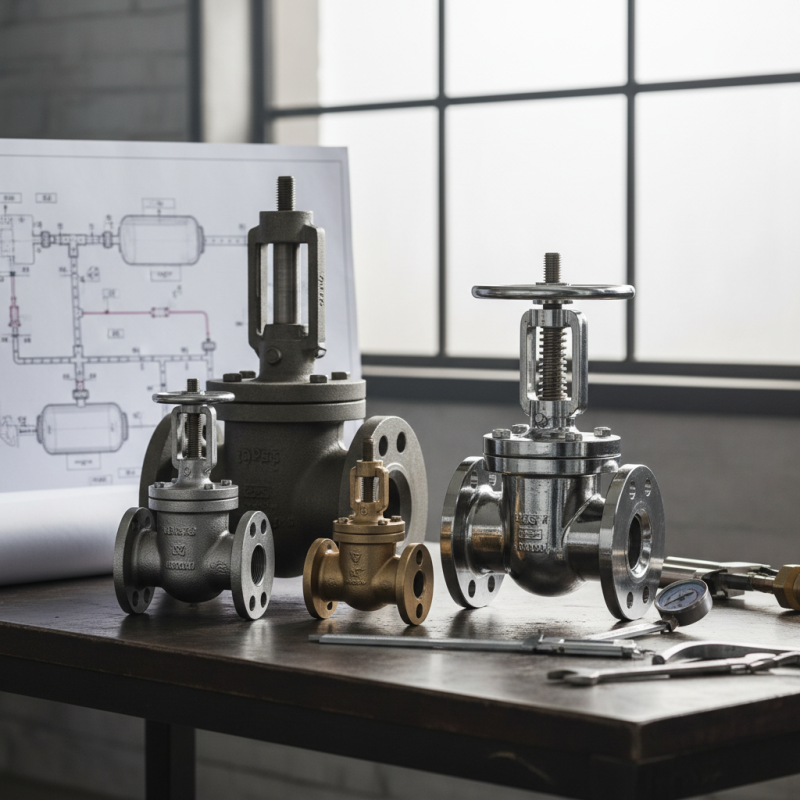
Choosing the right gate valves for your project is essential. Gate valves play a crucial role in controlling fluid flow. They come in various types and materials. Each type has unique advantages and disadvantages. It can be overwhelming to select the best option.
When deciding, consider the specific requirements of your project. Think about size, pressure ratings, and temperature ranges. Different environments may require different gate valve designs. You must also assess the medium flowing through the valve. Some materials resist corrosion better than others.
It's easy to overlook certain factors. For instance, the installation process and maintenance needs can impact long-term performance. Reflecting on these aspects may lead to a better choice. Take your time in this decision-making process. Your project’s efficiency may depend on it. The right gate valves can enhance reliability and reduce potential risks.
Understanding the Role of Gate Valves in Fluid Control Systems
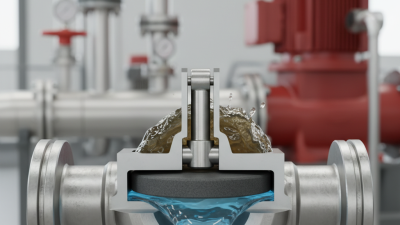
Gate valves play a crucial role in fluid control systems. They are designed to start or stop the flow of fluids. These valves operate by raising or lowering a gate within the valve body. When the gate is fully lifted, the flow is unrestricted. However, if it’s not lifted completely, fluid flow may be obstructed. This can lead to pressure buildup or backflow issues.
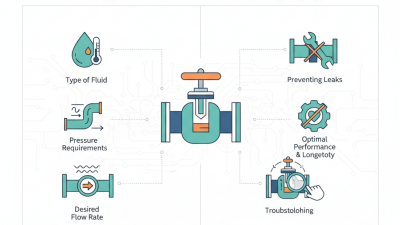
Choosing the right gate valve requires some knowledge of fluid dynamics. It’s important to consider the type of fluid being controlled. Some fluids are corrosive and require special materials. Temperature and pressure ratings also matter. Valves that are too small can restrict flow. Conversely, oversized valves might not close properly.
Installation is often overlooked. Proper alignment is essential for effective operation. Misaligned valves can cause leaks. Regular maintenance is also necessary to prevent deterioration. Neglecting maintenance can lead to failures, which may disrupt operations. Understanding these factors is vital in ensuring the efficiency of your fluid control system.
Types of Gate Valves: Wedge, Parallel, and Expanding Designs Explained
When selecting gate valves, it's crucial to understand the types available. Wedge gate valves are the most common choice. They have a tapered wedge shape that fits tightly in the valve seat. This design ensures a good seal. However, they can require a significant amount of force to operate. Users often struggle with proper alignment, which can lead to leaks over time.
Parallel gate valves offer a different approach. They feature two parallel surfaces that allow for smooth operation. These valves can be easier to open and close, reducing wear. However, they aren't ideal for high-pressure applications. Some users find that while they function well initially, they can become prone to erosion.
Expanding gate valves are unique and provide an interesting option. They expand to create a seal when closed, which enhances leak prevention. This design works well in extreme conditions. Yet, they can be more complex and expensive to install. Users often question their reliability after years of use, making maintenance a vital consideration. Each design has strengths and weaknesses, so choosing the right one requires careful evaluation.
Types of Gate Valves Comparison
Key Specifications: Pressure Ratings and Material Selection for Valves
When selecting gate valves for a project, pressure ratings and material selection are crucial. Pressure ratings indicate how much pressure a valve can handle. It's essential to match these ratings with the requirements of your system. Sometimes, people overlook the pressure specifications, leading to potential failures. Understanding the minimum and maximum pressure for your setup can save time and money.
Material choice plays a significant role as well. Common materials for gate valves include brass, bronze, and stainless steel. Each material has its benefits and drawbacks. For instance, stainless steel offers durability but can be more expensive. Meanwhile, brass might not withstand high-pressure environments. This is where mistakes can happen. Choosing a material based solely on cost can lead to failures in harsh conditions.
Think about the environment where the valve will be installed. Corrosion resistance is vital in many applications. Evaluate whether you need a valve that can resist chemicals or extreme temperatures. Researching and understanding these factors will guide you toward making better choices. Valves are a critical component of many systems. So, take the time to gain clarity before making a final decision.
Selecting the Right Size: How to Determine Valve Diameter and Flow Rates
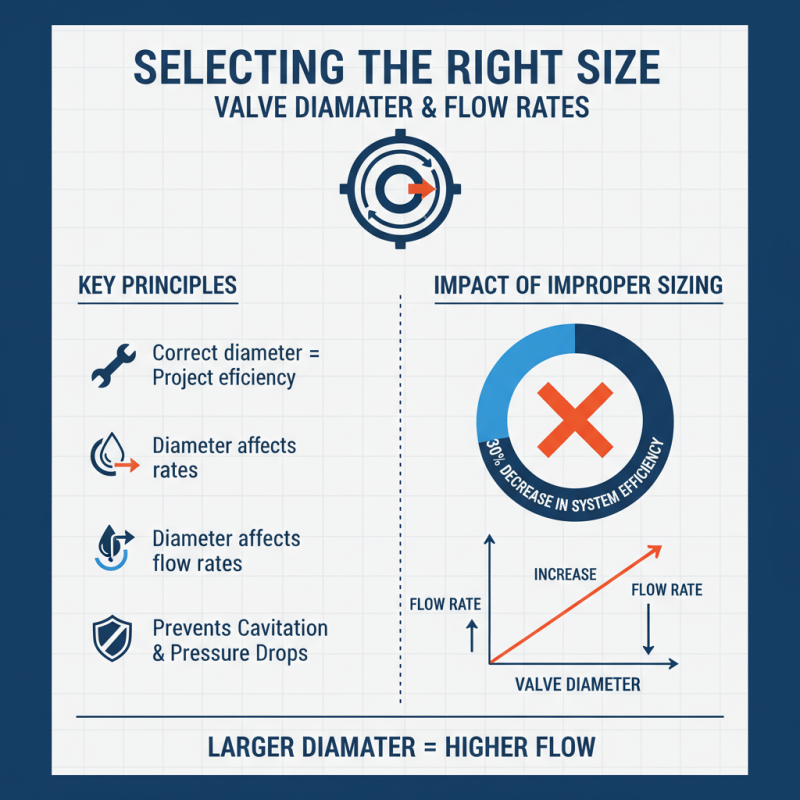
Choosing the correct diameter for gate valves is crucial for project efficiency. Valve diameter significantly affects flow rates. A well-sized valve prevents issues like cavitation and pressure drops. Studies show that improper sizing can lead to a 30% decrease in system efficiency. The flow rate through a valve is governed by its diameter. As diameter increases, flow rates also rise.
To determine the right size, consider the fluid type and system pressure. For example, water typically requires different sizing than corrosive chemicals. It’s essential to consult flow coefficient (Cv) charts. These provide insights on how flow rates change with valve sizes. An often-overlooked detail is the impact of pipe diameters. Mismatched sizes can create turbulence, negatively affecting flow.
Be aware of installation conditions and maintenance access. Sometimes, larger valves are required, but space might be limited. Choosing the wrong size can lead to operational headaches. Data indicates that over 40% of professionals face challenges due to improper valve selection. A valve that seems perfect on paper may fall short in real-world applications. It’s a reminder to evaluate all aspects before making a choice.
Industry Standards and Codes for Gate Valve Selection and Installation
Choosing the right gate valve requires understanding industry standards. Various codes exist to ensure safety and efficiency. Familiarize yourself with the American National Standards Institute (ANSI) and the American Society of Mechanical Engineers (ASME). These organizations provide guidelines on pressure ratings and materials.
Tips for selection: Always consider the media type. Different fluids require specific materials, such as stainless steel or cast iron. This choice affects durability and performance. Evaluate the valve's pressure rating, too. Each application has unique pressure demands. Ensure the valve meets or exceeds these expectations.
Installation guidelines are crucial. Follow the recommended torque settings for bolts. Improper installation can lead to leaks or malfunctions. Inspect the valve frequently during operation. Early detection of issues can prevent costly repairs. Ignoring these steps can compromise your project’s integrity. Always reflect on past installations to identify areas for improvement.
How to Choose the Right Gate Valves for Your Project?
| Criteria |
Description |
Industry Standards |
Installation Codes |
| Size |
Choose the appropriate diameter for your pipeline. |
ASME B16.34 |
ANSI B31.3 |
| Material |
Select material based on the media being handled. |
ASTM A216, A352 |
NFPA 20 |
| Pressure Rating |
Ensure the valve matches the system's pressure requirements. |
API 600 |
ASME B31.1 |
| End Connections |
Determine if flanged, threaded, or welded connections are needed. |
ASME B16.5 |
IPC |
| Operating Temperature |
Ensure the valve can withstand the temperature of the media. |
ASTM A105 |
ASME B31.5 |