Why Choose a Pipe Cutter for Your Next Project?
When embarking on a construction or plumbing project, choosing the right tools is crucial. A Pipe Cutter stands out as an essential tool for precise and clean cuts. Unlike traditional saws, a Pipe Cutter offers enhanced control. It minimizes the risk of damaging the pipe or creating rough edges. This tool allows for smooth fitting and easier assembly, making it ideal for both professionals and DIY enthusiasts.
Using a Pipe Cutter can significantly save time. It can quickly cut through various materials, including copper, PVC, and aluminum. This efficiency not only speeds up the process but also leads to safer and more reliable installations. However, some may overlook its importance, opting for tools they are more familiar with. This decision can lead to frustration and subpar results.
Investing in the right equipment is vital. A Pipe Cutter may seem like a simple tool, but its impact is profound. Those who understand its advantages are likely to achieve better outcomes. By prioritizing quality and precision, you ensure the success of your next project. Reflect on your past experiences and consider whether you’ve maximized your tool selection.
Benefits of Using a Pipe Cutter in Various Projects
When considering tool selection for your next project, a pipe cutter stands out for good reasons. One significant benefit is precision. A pipe cutter ensures clean and straight cuts. This reduction in rough edges leads to better fittings and less wasted material. For DIY enthusiasts and professionals alike, accuracy is vital. It saves time and minimizes the need for additional finishing work.
Another advantage is versatility. Pipe cutters can handle various materials, from PVC to metal. This makes them suitable for plumbing, construction, and even craft projects. Whether installing a new sink or assembling a model, this tool proves invaluable. Users report fewer frustrations compared to traditional saws. Cumbersome setups and messy cuts are often reduced. However, one must still be cautious. It can sometimes slip, causing uneven cuts if not used correctly.
Ease of use is another factor. Many find that a pipe cutter is straightforward, requiring minimal experience. This allows more people to take on projects without the fear of making mistakes. Yet, it’s essential to practice good technique. Improper pressure can lead to damaging the pipe or tool. While pipe cutters are reliable, they require attention during operation to maximize their benefits.
Comparison of Pipe Cutters and Other Cutting Tools
When it comes to choosing cutting tools, pipe cutters stand out due to their specialized design. Pipe cutters are built to create clean, precise cuts in various materials, such as PVC, copper, and steel. In contrast, tools like hacksaws or angle grinders may produce jagged edges. A survey by the National Association of Home Builders indicates that 75% of professionals prefer using pipe cutters for plumbing tasks because of this efficiency in producing smooth cuts.
Pipe cutters offer additional benefits, such as reduced likelihood of material deformation. Many contractors report that the ease of use can significantly decrease project time. Studies show that pipe cutters can improve cutting speed by up to 40% compared to traditional methods. However, they do have limitations. For example, not all pipe cutters can accommodate larger diameters, forcing some craftsmen to revert to less efficient tools. This can lead to frustration and wasted time on the job site.
Though pipe cutters excel in many situations, each project has unique needs. Sometimes a versatile tool is needed, like an adjustable blade saw. It’s crucial to evaluate the specific requirements before selecting a cutting tool. The right choice can lead to project success, while the wrong one may require rework. The industry continues to evolve, and looking at the latest innovations can help ensure that the right tool is always on hand.
Tips for Choosing the Right Pipe Cutter for Your Needs
When selecting a pipe cutter, consider the different types available. Each type serves specific needs. A rotary pipe cutter is effective for tight spaces, but it may not handle larger pipes well. Manual cutters are convenient for small projects but can cause uneven cuts if not used carefully. It's essential to match the cutter to your project requirements.
Think about the material you'll be working with. Some cutters are designed for metal, while others handle plastic better. Using the wrong tool can lead to frustration and wasted time. Additionally, pay attention to the cutter’s cutting capacity. Ensure it can handle the pipe size you plan to cut. Choosing a cutter with too limited capacity will hinder your project.
Budget is another important factor. Cheaper options might lack durability. Investing in a reliable tool saves time and effort in the long run. However, it's easy to get caught up in features. Focus on what you truly need. A cutter with unnecessary bells and whistles can complicate your project rather than simplify it. Take the time to reflect on your specific needs before making a final decision.
Techniques for Effective Pipe Cutting with a Pipe Cutter
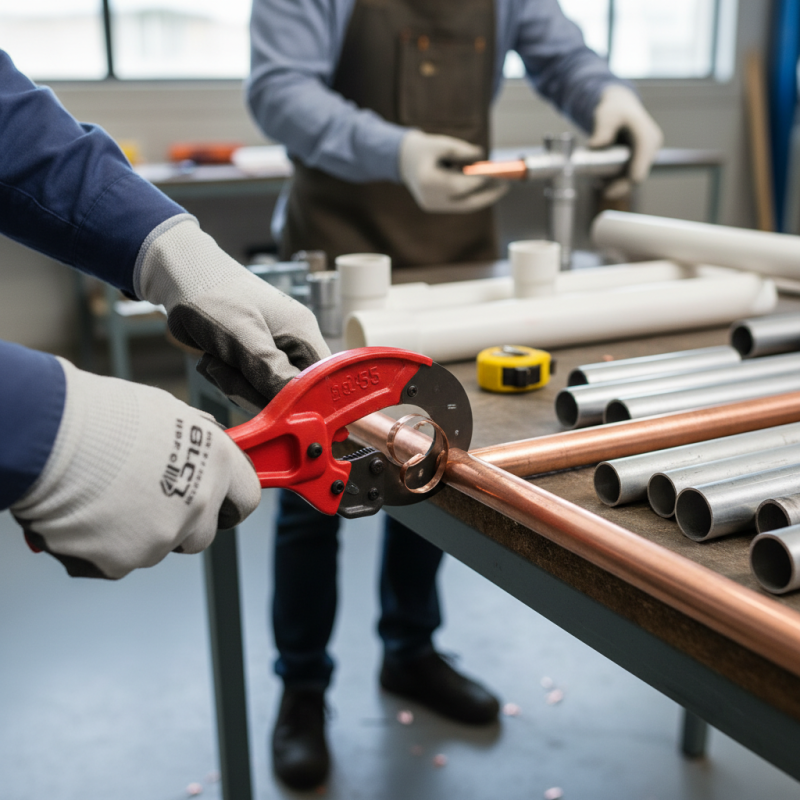
Cutting pipes accurately is essential for any plumbing project. Using a pipe cutter can significantly improve your results. This tool is designed to create clean and precise cuts, ensuring a better fit for joints and fittings. When using a pipe cutter, proper technique is key to achieving the desired outcome.
Start by measuring the pipe carefully. Mark your cut clearly with a pencil. Place the pipe in a stable position, and secure it if necessary. Begin to tighten the cutter around the marked spot, applying even pressure. Rotate the cutter around the pipe gradually. This method allows for a straight cut, reducing the chance of damage. However, it requires patience and focus.
It’s important to check your work regularly. Inspect the cut for burrs or uneven edges. If you notice imperfections, refinishing may be necessary. Over time, you’ll develop a better hand feel for the tool. Don't rush through the process, as haste can lead to mistakes. Each cut teaches something valuable. Embrace those learning moments for future projects.
Maintenance and Care for Longevity of Your Pipe Cutter
A pipe cutter is a valuable tool for any DIY enthusiast or professional plumber. To ensure your pipe cutter lasts, proper maintenance is essential. Regular oiling of the cutting wheel prolongs its life and enhances performance. Keeping it clean after each use is crucial. Dirt and debris can lead to rust.
Tips: Store your cutter in a dry place. Avoid leaving it in damp areas. This will minimize corrosion risks. Inspect it periodically for wear and tear. Look closely for any dull blades that need sharpening or replacement.
A sharp blade cuts more efficiently. It reduces the risk of cracking or damaging pipes. If you notice uneven cuts, it might signal that your cutter needs attention. Cleaning the tool helps maintain its cutting precision. Simple habits like these will enhance your pipe cutter's reliability and functionality.