Discover the Benefits of Automatic Recirculation Valves for Your Needs?
Automatic recirculation valves (ARVs) are essential components in various industrial and plumbing applications. These devices help maintain consistent water flow and temperature in systems. According to a recent report from the American Society of Mechanical Engineers (ASME), ARVs can improve efficiency by up to 30%, significantly reducing energy costs. Expert Dr. Michael Johnson, a leading authority in fluid dynamics, emphasizes the importance of these valves, stating, “An efficient automatic recirculation valve system is critical for optimizing resource use.”
In industries heavily reliant on water management, ARVs act as a safeguard. They prevent stagnation and ensure hot water is readily available. This not only enhances performance but also contributes to longevity in plumbing systems. However, it is crucial to note that not all ARVs are created equal. Some models may underperform due to improper sizing or application. This emphasizes the need for careful selection and installation based on specific requirements.
The reliability of automatic recirculation valves hinges on their design and usage. While they provide significant benefits, potential oversights can lead to inefficiencies. Careful assessment and consultation with industry experts can mitigate these risks. By exploring the right options, users can truly experience the advantages that ARVs bring to their systems.
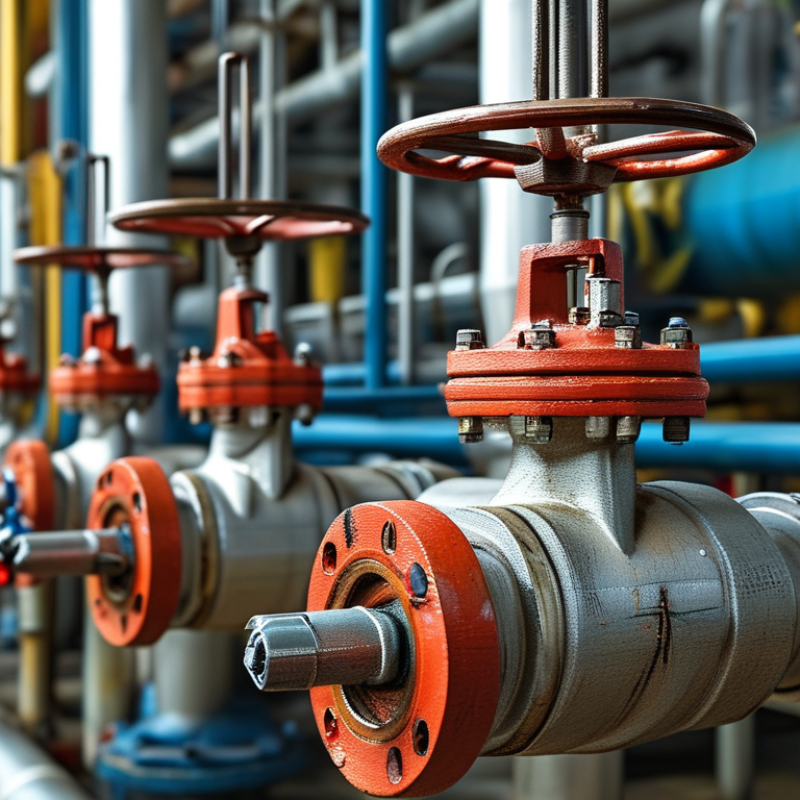
Understanding Automatic Recirculation Valves and Their Purpose
Automatic recirculation valves (ARVs) play a crucial role in maintaining efficient fluid flow in various systems. They are designed to ensure proper circulation, minimize downtime, and promote optimal performance. According to a report from the Hydraulic Institute, improper flow conditions can lead to efficiency losses of up to 25%. ARVs help mitigate this risk by automatically adjusting flow, ensuring that systems operate smoothly.
The purpose of an ARV is to manage fluid dynamics without manual intervention. These valves sense pressure changes and pivot accordingly, ensuring that the system’s design flow is maintained. For instance, a study by the American Society of Mechanical Engineers indicates that ARVs can significantly reduce energy consumption, with potential savings up to 20% in pumping costs. This makes them an attractive investment for industries striving for sustainability.
However, it is essential to recognize that not all systems benefit equally from ARVs. In specific applications, performance can be inconsistent. Inadequate installation, or choosing the wrong size valve, can lead to failures. Attention to detail during installation is vital. Understanding the specific needs and conditions of your system is necessary for effective performance. Engaging with experienced professionals can help ensure optimal selection and installation practices for ARVs, enhancing their benefits in your operations.
Benefits of Automatic Recirculation Valves
This chart demonstrates the key benefits of automatic recirculation valves, showcasing their effectiveness in various applications. The data illustrates the percentage of professionals who note improvements in efficiency, energy savings, and system reliability when utilizing these valves.
Key Advantages of Implementing Automatic Recirculation Valves
Automatic recirculation valves offer significant benefits for various industrial applications. They enhance system efficiency by ensuring better flow control. This precision helps protect pumps from damage due to cavitation. A properly implemented valve reduces energy costs, making it a savvy investment.
Using automatic recirculation valves improves operational reliability. They adjust flow rates automatically based on system demand. This adaptability can prevent costly downtime. Identifying the right valve for your application is crucial. Look for features that match your unique operating conditions.
Consider regular maintenance to ensure their functionality. Inspecting the valves periodically can prevent unexpected failures. Sometimes, even minor issues can escalate quickly. Understanding the conditions under which your valves operate will help you address these problems effectively. Investing time in evaluating these aspects enhances the overall system performance.
Applications of Automatic Recirculation Valves in Various Industries
Automatic recirculation valves (ARVs) play a vital role across various industries. They ensure efficient flow in systems, often preventing issues like cavitation. For example, in the power generation sector, ARVs are crucial for maintaining pump performance. According to the International Energy Agency, optimizing pump performance can lead to energy savings of up to 30%. This translates to significant cost reductions and improved operational efficiency.
In the chemical industry, ARVs aid in maintaining constant flow rates for processes requiring precise control. A study by the Chemical Engineering Research and Design journal highlights how ARVs prevent product loss and enhance safety measures. Without proper flow management, chemical reactions can become hazardous, emphasizing the need for effective valves.
The oil and gas sector is also leveraging ARVs for enhanced performance in pipelines, reducing the risk of costly downtime.
Consider these tips for integrating ARVs into your systems:
- Assess the specific needs of your application to select the correct type of valve.
- Regular maintenance is key to ensure reliability.
- Monitoring flow rates can help identify inefficiencies early, allowing for timely adjustments.
- Aim for a balance between system demands and valve capabilities to avoid overloading your infrastructure.
The right approach can lead to smoother operations and safer processes.
Factors to Consider When Choosing Automatic Recirculation Valves
When selecting automatic recirculation valves, several factors play a crucial role in maximizing system efficiency. These valves are essential in maintaining flow stability and preventing pump damage. According to industry reports, incorrect valve selection can lead to inefficiencies, leading to energy losses of up to 30%. This statistic highlights the importance of understanding system requirements thoroughly.
A key consideration is the valve's size and compatibility with existing piping systems. An improperly sized valve can create pressure drops or flow restrictions. It's essential to analyze your system's flow rate, pressure conditions, and medium characteristics. A study published in the Journal of Hydraulic Engineering reported that systems using correctly sized valves improved performance metrics by 25%. This reflects the impact of tailored solutions on operational efficiency.
Another factor is the material used in the valve construction. Compatibility with the fluid type is crucial to avoid corrosion and wear. Valves made from unsuitable materials can lead to frequent replacements. Data indicates that using high-quality materials can extend the lifespan of the valves by up to 50%. This emphasizes the need for careful material selection to ensure long-term reliability and cost savings.
Maintenance and Troubleshooting Tips for Automatic Recirculation Valves
Automatic recirculation valves offer numerous advantages for various systems. However, proper maintenance and troubleshooting are essential for optimal performance. These valves help maintain pressure and flow, preventing deadheading, which can lead to costly failures. According to industry studies, over 30% of pump failures are associated with improper operation of recirculation systems. Regular inspection can mitigate these risks.
In terms of maintenance, inspect the valves regularly for wear or damage. Ensure that seals and gaskets are intact to prevent leaks. A well-maintained valve can reduce energy costs by improving efficiency. Pay attention to unusual vibrations as they can indicate issues. Keep an eye on the system's operational data; fluctuations in flow rates can signal potential problems with the valve or the connected system.
For troubleshooting, check the power supply and connections. A common issue is inadequate flow, which could be due to blockages or mechanical faults. Depending on the analysis, recalibrating the valve may also be necessary. Documenting your findings during inspections can help identify recurring problems. Using a structured approach to maintenance can enhance the reliability and longevity of your equipment.