What is an Air Muffler Silencer and How Does It Work?
An Air Muffler Silencer plays a crucial role in reducing noise produced by machinery and vehicles. These devices are designed to minimize sound while allowing exhaust gases to pass through. They come in various shapes and sizes, depending on their applications. Understanding how they work can help improve efficiency and reduce unwanted noise pollution.
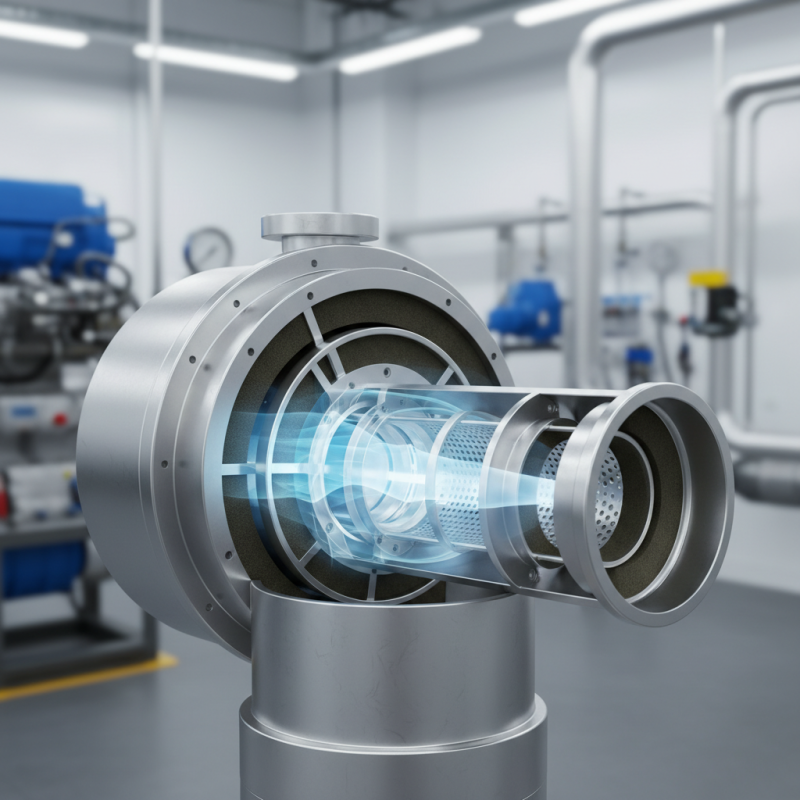
When the engine or machine operates, it generates high-pressure sound waves. An Air Muffler Silencer mitigates this by using internal chambers and sound-absorbing materials. The airflow is redirected and expanded, which dissipates the sound energy. This process can sometimes be complex, leading to challenges in design and installation.
However, not all air muffler silencers are perfect. Some may fail to achieve the desired noise reduction. Others might affect engine performance. Careful consideration is essential when selecting these devices. A balance between noise reduction and overall efficiency is critical. Engaging with experts can prevent common pitfalls and enhance the effectiveness of air muffler silencers in various applications.
Definition and Purpose of Air Muffler Silencers in Various Applications
Air muffler silencers play a crucial role in noise control for various applications. These devices reduce sound levels generated by machinery, exhaust systems, and airflow systems. They are commonly used in industrial settings, automotive systems, and even home appliances. By using sound-absorbing materials, mufflers can significantly decrease noise pollution.
In industrial applications, air muffler silencers help maintain a quieter working environment. Workers can communicate easily. This can lead to increased productivity and safety. In vehicles, noise reduction enhances the driving experience. A quieter engine contributes to comfort during long trips.
However, not all air silencers are equally effective. Some may not fit specific needs or spaces. When choosing a muffler, consider size and installation. Poor choices can lead to inadequate noise control. Proper assessment is essential for achieving optimal performance. Small errors in selection can create bigger issues down the line.
What is an Air Muffler Silencer and How Does It Work?
| Application | Type of Air Muffler Silencer | Purpose | Noise Reduction Level (dB) |
| Industrial Equipment | Inline Muffler | Reduce operational noise in machines | 30-40 dB |
| HVAC Systems | Atmospheric Muffler | Control noise from air handling units | 20-25 dB |
| Automotive | Resonator Muffler | Enhance exhaust sound and reduce noise | 40-50 dB |
| Pneumatic Tools | Silencer Muffler | Minimize noise during tool operation | 15-30 dB |
Basic Principles of Sound Reduction: How Air Muffler Silencers Operate
Air muffler silencers play a crucial role in sound reduction for various applications. They primarily function by dissipating sound waves generated by air or gas flow, which can be quite noisy. According to industry reports, effective muffling can reduce sound levels by 20 to 30 decibels, significantly lowering noise pollution in industrial and residential areas.
The basic principle involves sound absorption and reflection. The design often incorporates porous materials that absorb sound energy. When air flows through, these materials break up sound waves, making the output quieter. Some silencer designs also use baffles, which change the direction of the sound waves, further enhancing noise reduction. It's interesting to note that some designs can be cumbersome and not as efficient in challenging environments.
Data from sound engineering studies shows that poorly designed models can still transmit excessive noise, particularly in high-pressure applications. This highlights the need for continuous evaluation and improvement in design. Silencers should not only aim for sound reduction but also maintain airflow efficiency. By balancing these factors, manufacturers can ensure optimal performance while minimizing environmental impact.
Types of Air Muffler Silencers: Passive vs. Active Systems Explained
Air muffler silencers play a crucial role in reducing noise. These devices are especially important in industrial and automotive applications. They help to create a quieter environment, which is beneficial for both workers and equipment performance.
There are two main types of air muffler silencers: passive and active systems. Passive silencers use simple structures to absorb sound waves. They rely on specific materials to dampen noise without needing additional energy. On the other hand, active silencers use electronics to counteract sound waves. They are often more complex but can be more effective in certain situations.
Choosing the right type is essential. Passive systems are often less expensive and easier to maintain. However, they may not perform as well in high-noise environments. Active systems can adapt to changing conditions but may require more frequent troubleshooting. It’s important to consider specific needs and challenges when selecting a silencer type.
Material Composition: Common Materials Used in Air Muffler Silencers
Air muffler silencers play a crucial role in managing noise levels in various applications. Their effective performance largely depends on the materials used in their construction. Common materials include aluminum, stainless steel, and rubber. Each material comes with distinct advantages and drawbacks.
Aluminum is lightweight and corrosion-resistant. It allows for easy handling and installation. However, its thin structure might not provide maximum sound insulation. A report by the Acoustic Society of America highlights that aluminum's sound absorption is lower than thicker materials. This can lead to challenges in high-noise environments.
Stainless steel offers durability and strength. It can withstand high temperatures, making it ideal for industrial settings. Yet, its weight can complicate installation. Rubber is often used as a vibration-damping material. It helps to minimize noise transmission. But it can degrade over time, leading to potential failures. Consequently, regular maintenance is vital.
Tip: Consider the specific noise levels and environmental factors before choosing a material. Research shows that a combination often yields the best results. Regular inspections can identify wear and tear early. This prevents costly repairs later on.
In crafting an air muffler silencer, balancing cost, insulation effectiveness, and longevity is essential. Each material's unique properties can lead to reflections on the final design. It's important to test prototypes before large-scale production.
Key Performance Metrics: Evaluating Effectiveness and Efficiency of Mufflers
Air muffler silencers play a critical role in managing noise produced by engines. Evaluating their performance involves several key metrics. Noise reduction is one of the primary factors. A good muffler should make the engine sound softer. Yet, achieving this can be tricky. Sometimes, excessive noise still escapes, leaving room for improvement.
Another important metric is flow rate. The design must allow exhaust gases to exit smoothly. If the flow is restricted, engine performance can suffer. This creates a difficult balance. Some mufflers emphasize noise reduction but may hinder performance. Evaluating this trade-off is essential for an effective system.
Durability is also a consideration. Mufflers endure extreme conditions. They must resist corrosion and wear over time. Often, materials used may not meet long-term expectations. Regular inspections can identify potential failures. All these metrics need to be analyzed. Striving for the perfect combination remains challenging, but necessary for optimal performance.
Effectiveness of Air Muffler Silencers in Reducing Noise Levels
This chart displays the effectiveness of different muffler models in reducing noise levels, measured in decibels (dB). Muffler B shows the highest reduction, making it the most effective option among those listed.