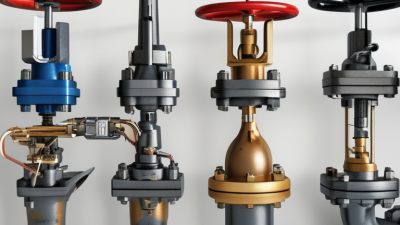
2026 Top Recirculation Valve Manufacturers Suppliers Guide
The 2026 Top Recirculation Valve Manufacturers Suppliers Guide examines the companies shaping reliable flow-control solutions. A recirculation valve protects pumps by maintaining minimum flow during changing process conditions. That function matters in refineries, power plants, chemical facilities, and water-treatment systems. Small valve decisions can prevent costly damage.
This guide focuses on practical supplier evaluation, not attractive brochures alone. It considers manufacturing experience, engineering capability, material quality, testing procedures, and after-sales support. Readers will find useful comparisons involving valve size, pressure rating, temperature range, actuation method, and control accuracy. A strong supplier should provide traceable documentation, clear inspection records, and responsive technical assistance. Factory audits, sample testing, and reference projects can reveal more than a polished website.
Details matter here.
A stainless-steel body may suit corrosive service, while hardened trim may better resist erosion. Poor sizing can create noise, vibration, or unstable pump operation. Some manufacturers offer custom designs, but customization may increase lead time and maintenance complexity. This guide also recognizes an uncomfortable reality: supplier rankings are never completely universal. Project conditions, regional service networks, certification needs, and operating budgets can change the final choice. Information may also change as manufacturers update their product lines. Careful verification remains necessary.
The selected suppliers are discussed through an evidence-based lens. Their capabilities should be confirmed through current datasheets, independent inspections, and direct technical communication. Use this guide as a practical starting point, not a substitute for engineering judgment.
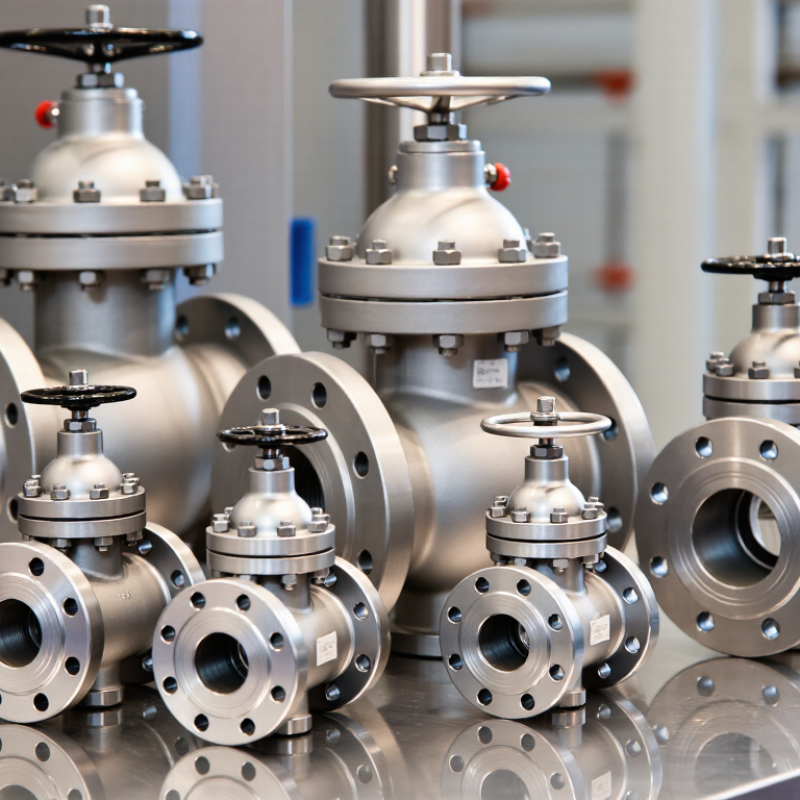
Recirculation Valves: Definition, Functions, and Operating Principles
Recirculation valves protect centrifugal pumps when process demand falls below the safe minimum flow. They redirect part of the discharge through a bypass line, returning fluid to the source vessel or suction pipe. This flow prevents overheating, internal vibration, cavitation, and unstable hydraulic conditions. The U.S. Department of Energy’s Improving Pumping System Performance sourcebook reports that pumping systems consume nearly 20% of industrial motor-system electricity. Better flow control can therefore support both equipment reliability and energy discipline.
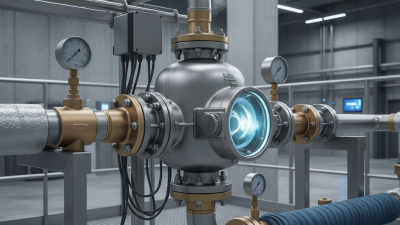
An automatic recirculation valve usually combines a check valve, a main throttling section, and a bypass outlet. As downstream flow decreases, the valve disc moves toward its seat. The bypass opens automatically, maintaining the pump’s required minimum flow. When demand rises, the disc lifts, the main passage opens, and bypass flow reduces or closes. The response depends on differential pressure, fluid density, valve sizing, and spring or pilot design. Small details matter.
API 610 and Hydraulic Institute guidance emphasize that minimum continuous stable flow is pump-specific. It should come from tested pump curves, not guesswork. In field inspections, operators should check bypass temperature, vibration, noise, and pressure changes. A warm bypass line may be normal; a rapidly rising temperature is not. Manual recirculation arrangements can work, but they depend heavily on operator attention. That weakness is easy to underestimate.
Key Types and Applications of Recirculation Valves
2026 Top Recirculation Valve Manufacturers Suppliers Guide
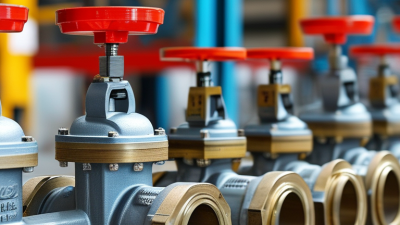
Recirculation valves protect pumps when discharge flow falls below the safe minimum. The most common type is the automatic recirculation valve. It combines a main check valve, bypass path, and flow-control element. When demand drops, the valve opens the bypass automatically. This response helps prevent overheating, cavitation, and unstable pump operation.
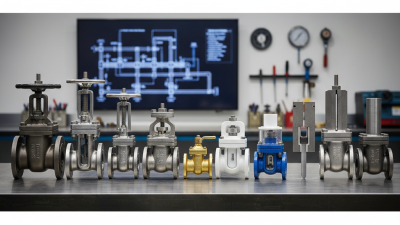
Fixed-orifice valves suit systems with stable operating conditions and predictable flow. They are simple, but they cannot adapt well to changing demand. Modulating control valves provide finer regulation through pneumatic or electric actuators. They fit variable-flow systems, including boiler feedwater, chemical processing, cooling circuits, and high-pressure utility lines. A properly sized bypass may return fluid to a storage vessel, pump suction, or another approved process point.
Selection requires more than matching pipe diameter. Engineers should verify minimum continuous flow, maximum differential pressure, fluid temperature, viscosity, and flashing risk. Materials must also tolerate corrosion and erosion. Field experience shows that noise often increases when the valve is oversized. That mistake is common. A neat datasheet can still mislead.
During commissioning, technicians should record pump discharge pressure, bypass flow, vibration, and valve response. These measurements reveal problems that calculations may miss. Regular inspection should examine the seat, trim, actuator, and check mechanism. In dirty services, small particles can delay closure or reduce bypass capacity. A reliable design leaves room for real operating variation, not only ideal conditions.
2026 Recirculation Valve Types and Applications
Engineering comparison of commonly specified recirculation valve configurations
The chart compares commonly recognized functional characteristics rather than supplier market share.
A value of 1 indicates that the feature is commonly inherent in the valve configuration, while 0 indicates
that the feature normally requires additional equipment or is not its primary operating principle.
Automatic recirculation valves are frequently used on boiler feedwater and centrifugal pump systems;
modulating recycle control valves suit variable-flow process duties; fixed orifices are used for simple,
steady-flow minimum-flow protection; and backpressure valves are applied where maintaining upstream pressure
is the main objective.
How to Evaluate Recirculation Valve Manufacturers and Suppliers
Evaluating recirculation valve manufacturers requires more than comparing prices. Start with operating evidence. Ask for tested flow curves, minimum-flow data, pressure-temperature ratings, and trim materials. A reliable supplier should explain how the valve protects pumps during low-demand conditions. The U.S. Department of Energy estimates pumping systems can represent 25% to 50% of industrial electricity use, according to its Pumping System Assessment Tool guidance. Small control errors can therefore create measurable costs.
Review compliance records, not marketing claims. Check whether testing follows recognized standards, such as API 598 or ISO 5208. Request inspection reports, calibration certificates, failure-rate records, and documented delivery performance. Suppliers with field experience should describe cavitation risks, flashing conditions, and maintenance access in practical terms. Their engineers should also size the valve using actual operating data, not only the pump nameplate. A weak point remains common: buyers often accept incomplete process data.
Tips:
Compare at least three suppliers using the same duty conditions. Confirm shutoff pressure, normal flow, startup flow, fluid temperature, and expected cycling. Ask for a reference installation with similar pressure and fluid characteristics. The 2023 DOE industrial energy guidance also stresses system-level assessment, rather than isolated component selection. That matters because a well-made valve can still perform poorly when installed incorrectly. Supplier transparency is often more valuable than a polished brochure.
2026 Selection Guide: Quality, Safety, and Technical Specifications
Selecting a recirculation valve in 2026 requires more than comparing purchase prices. Start with verified operating data: pump flow, minimum stable flow, differential pressure, fluid temperature, and solids content. Ask suppliers for Cv or Kv curves, cavitation analysis, material certificates, and documented fail-safe behavior. A valve that performs well on a test bench may react differently beside a vibrating pump.
Safety evidence should be specific.
ISO 5208 defines pressure-test procedures, while API 598 provides widely used inspection and testing requirements for industrial valves. For hazardous gas service, ISO 15848-1 classifications help evaluate fugitive-emission performance.
The International Energy Agency’s Global Methane Tracker 2025 estimates that about 75% of fossil-fuel methane emissions could be reduced with existing measures. That makes packing design and leakage testing practical selection issues, not paperwork.
Quality also depends on traceability.
Review hydrostatic reports, weld records, calibration dates, and full-load endurance results. The 2024 Industrial Valves Market analysis by MarketsandMarkets identifies energy, water, and process industries as major demand sectors, but market growth does not guarantee reliable engineering.
Check whether the supplier has field experience with your exact fluid and pump curve. I would also request a witnessed test. It costs time. Skipping it can cost far more.
One weakness remains: published performance data may use ideal water conditions, while real service includes heat, vibration, and changing viscosity.
Leading Recirculation Valve Manufacturers and Suppliers in 2026
Leading recirculation valve manufacturers and suppliers in 2026 are judged by more than catalog range. In operating plants, these valves protect centrifugal pumps when discharge flow falls below the safe minimum. A reliable design opens quickly, returns fluid to the vessel, and limits pressure shock. Field engineers often inspect response time, trim wear, noise, and drain arrangement before discussing price. Small details matter. A valve may look suitable on paper yet perform poorly with flashing liquid or unstable pressure.
Experienced suppliers provide sizing data based on flow, differential pressure, temperature, fluid density, and pump curves. They should explain the selected minimum-flow point, not simply quote a nominal connection size. For high-temperature service, pressure-rated bodies, erosion-resistant trims, and suitable actuator materials deserve close review. Factory pressure tests, functional cycling, material certificates, and traceable inspection records improve confidence. Ask for test conditions. Real service rarely matches a brochure perfectly.
The strongest manufacturers also support commissioning and maintenance. Clear installation drawings can prevent reversed flow direction, poor support, or blocked bypass lines. During startup, technicians should record valve position, vibration, discharge pressure, and return-line temperature. These records reveal problems early. Still, supplier claims require independent checking. I have seen a correctly sized valve suffer from poor control tuning and inadequate downstream piping. That lesson remains uncomfortable, but useful. In 2026, dependable partnerships will combine engineering evidence, responsive service, and honest limits.