2026 Top Natural Gas Shut Off Valve Types for Global Buyers
Global gas infrastructure is becoming more flexible, distributed, and demanding. The IEA’s Gas 2024 report projected global gas demand growth of 2.5% in 2024 and 2.3% in 2025. More gas moves through LNG terminals, city networks, industrial plants, and remote stations. Each location requires dependable isolation.
A natural gas shut off valve is not merely a metal barrier. It must close decisively, resist pressure, and remain identifiable during an emergency. Ball, gate, globe, butterfly, plug, and solenoid valves serve different operating conditions. Materials, pressure classes, actuation methods, fire-safe design, and maintenance access can change the final choice. NFPA 54, API 6D, ASME B16.34, and regional gas codes provide useful reference points. Still, standards do not remove practical judgment.
Fatih Birol, Executive Director of the International Energy Agency, stated, “Natural gas is not a clean energy source, but it is a cleaner energy source than coal.” That distinction matters when buyers assess safety, emissions, and long-term infrastructure. The IGU Global Gas Report also highlights continuing investment in gas supply security and network resilience. However, product catalogs often simplify difficult decisions. A compact valve may look efficient, yet freezing temperatures, contaminated gas, cycling frequency, or poor access can expose weaknesses. This 2026 guide compares leading natural gas shut off valve types for global buyers, while recognizing one uncomfortable truth: no valve performs perfectly in every system. Experience still matters.
Natural Gas Shut-Off Valves: Definition, Purpose, and Operating Principles
Natural gas shut-off valves control gas flow inside pipelines, appliances, meters, and industrial systems. Their main purpose is simple: stop fuel movement when equipment needs maintenance or danger appears. A reliable valve must close fully, resist pressure, and prevent leakage around the stem and body.
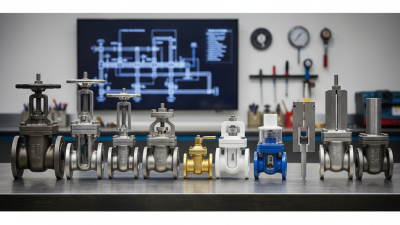
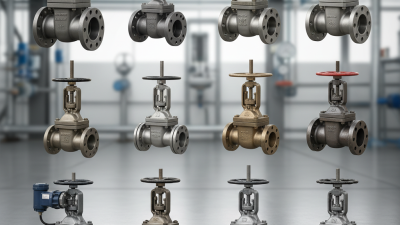
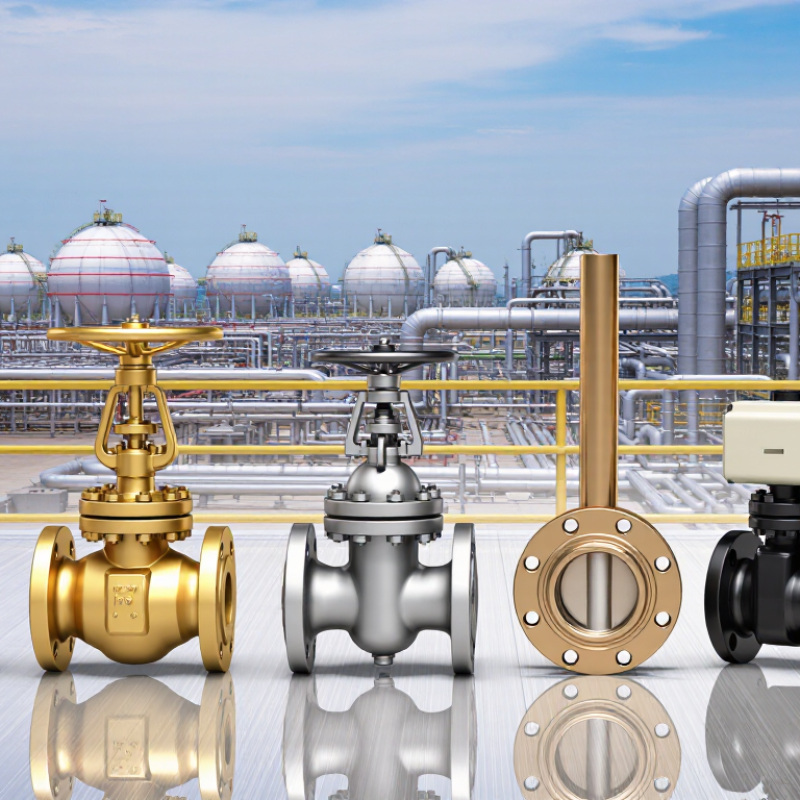
Common types include ball, plug, gate, butterfly, and automatic emergency shut-off valves. Ball valves use a drilled sphere that turns 90 degrees inside the body. The open passage allows gas to move with limited resistance. A quarter-turn closes the passage quickly. Plug valves work similarly, but use a rotating tapered or cylindrical plug. Gate valves lift a barrier vertically and suit isolation, not frequent operation. Butterfly valves use a rotating disc and often support larger pipelines with lower weight.
Automatic valves add another safety layer. An actuator moves the valve after detecting excess flow, pressure loss, fire signals, or a control command. Many designs fail closed when power disappears. That behavior sounds ideal, but it can interrupt essential equipment and create restart problems. Manual reset may be necessary. Buyers should examine pressure rating, temperature range, gas compatibility, connection size, sealing materials, and local certification requirements. The installation location also matters. Dust, vibration, moisture, and repeated cycling can shorten service life. A specification sheet may look complete yet omit actuator response time or seat leakage limits. That omission deserves questions.
During inspection, technicians should check the valve position, handle movement, flange joints, and visible corrosion. Never force a stiff handle. A small defect can become expensive. No valve is perfect. Proper sizing and documented testing remain practical safeguards for global gas systems.
2026 Top Natural Gas Shut-Off Valve Types for Global Buyers
Natural gas shut-off valves isolate, regulate, or stop gas flow during normal operation, maintenance, and emergency conditions. Ball, butterfly, and plug valves commonly use a quarter-turn mechanism, while gate and globe valves use a multi-turn linear mechanism.
How to read the chart: Quarter-turn valves rotate approximately 90° from open to closed. Gate and globe valves use a multi-turn stem movement; 360° is shown as a minimum one-revolution reference rather than a universal total number of turns. Actual operating rotation varies by valve size, stem design, and actuator.
Main Valve Types and Their Distinctive Features
Natural gas shut off valves differ in speed, sealing performance, flow control, and installation space. Ball valves use a quarter-turn handle and provide quick isolation with a tight seal. They suit service lines, meters, and equipment connections. Their compact body is practical, but dirt can damage the sealing surfaces.
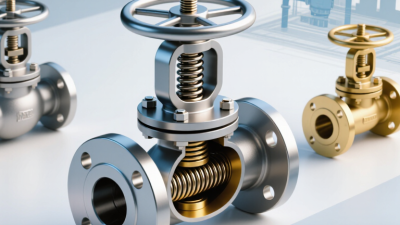
Gate valves offer a straight flow path and low pressure loss when fully open. They work well on larger pipelines requiring infrequent isolation. However, they operate slowly and should not regulate flow. Globe valves provide more precise throttling through a shaped internal passage. This control creates greater pressure loss, which may affect system efficiency. Butterfly valves use a rotating disc and require limited installation space. Their light weight helps reduce support demands on large pipes.
Plug valves can deliver dependable shutoff in demanding pipeline applications. Their simple quarter-turn action supports fast operation, although torque may rise when deposits collect. In field inspections, valve selection often depends on pressure rating, gas temperature, body material, seal compatibility, and actuator access. Certified pressure testing matters more than appearance. It is easy to overlook the handle clearance during planning. That mistake can delay emergency isolation. A valve may meet technical specifications yet perform poorly in a cold, dusty, or vibration-prone location. Buyers should request traceable test records and verify applicable local requirements with qualified engineers. No valve is perfect. Service conditions decide the better choice.
Material, Pressure, Temperature, and Gas Compatibility Standards
In 2026, global buyers are comparing ball, plug, gate, and automatic shutoff valves for natural gas systems. Quarter-turn ball valves offer fast isolation and clear open-close control. Plug valves suit some high-cycle applications, but their torque can increase with contamination. Gate valves are useful for larger pipelines, although they are not ideal for frequent operation. Automatic shutoff valves add protection when abnormal pressure or gas detection occurs.
Material selection must follow pressure, temperature, and gas composition. Brass works well in many low-pressure indoor systems. Stainless steel provides stronger corrosion resistance in humid or chemically aggressive areas. Carbon steel supports higher pressure designs, but coating and inspection remain important. Check the valve’s maximum allowable working pressure, not only the pipeline rating. Temperature matters too. Cold service can stiffen seals, while heat may damage elastomers. Methane-rich gas, biogas, and hydrogen blends can require different seal compatibility reviews. Do not assume “natural gas” means one identical medium.
Relevant references may include EN 331, ISO 23551-1, ASME B16.34, API specifications, and local gas installation rules. Requirements vary by market and service category. Certification paperwork should match the exact model, size, pressure class, and gas application. A missing test record is a warning. Field experience also shows that dirt, incorrect thread sealing, and poor actuator access cause avoidable failures. Specifications can look complete on paper, yet installation details still deserve a second review.
How to Select the Right Valve for Different Gas Systems
2026 Top Natural Gas Shut Off Valve Types for Global Buyers
Selecting the right shut-off valve starts with the gas system, not the catalogue. The IEA Gas 2024 report projected global gas demand growth of about 2.5% in 2024. This growth increases pressure on new and upgraded infrastructure. For high-pressure transmission lines, trunnion-mounted ball valves often provide full-bore isolation. Gate valves reduce pressure loss, but they operate slowly. Butterfly valves save space in lower-pressure networks. Their seat performance needs careful inspection.
Match the valve to gas composition, pressure class, temperature, flow direction, and actuation requirements. Wet gas, hydrogen blending, or sour components can change seal and material needs. API 6D and ISO 14313 offer useful pipeline design references. ISO 15848 supports fugitive-emission evaluation. Field checks should confirm flange dimensions, actuator fail position, venting, and maintenance access. Small oversights become expensive.
For distribution stations, ball or plug valves can support dependable quarter-turn isolation. Add automatic shut-off protection where regulator failure could create dangerous downstream pressure. PHMSA’s 2023 pipeline incident data records serious property damage from natural-gas distribution events. Isolation speed matters. Yet fastest is not always best. Review closure surge, torque margins, fire-safe design, and test records with a qualified engineer. The cheapest valve can become the costliest mistake.